- Manufacturer warranties cover material defects only, not installation errors. The coverage window before proration begins is often just 10 years despite a 30- or 50-year headline term.
- Workmanship warranties run 5 to 10 years on average, but quality contractors offer 25 years or longer. A warranty shorter than 10 years is a signal to ask detailed questions before signing.
- Enhanced system warranties require certified contractors and can combine 25 to 50 years of material and workmanship coverage, but cost 8 to 15% more than a standard installation.
- 71% of roofing call-backs under five years old trace to installation errors rather than material defects, making a strong workmanship warranty the most critical coverage for new roofs.
- Transfer deadlines are strict: most manufacturers allow only 30 to 60 days after a home sale to complete the transfer. Missing this window voids the warranty for the new owner.
A new roof is one of the largest investments you will make in your home, and a warranty is supposed to protect that investment. But most homeowners sign off on a roofing project without fully understanding what their warranty actually covers, what can void it, and what documentation they need to keep a claim valid years down the road.
This guide breaks down every major warranty type, from manufacturer material coverage to contractor workmanship guarantees. For a broader view of keeping your roof in peak condition year after year, see the roofing maintenance guide on NearbyHunt, which covers inspections, seasonal care, and when to call a professional.

Get quotes from top-rated pros.
Photo: A licensed roofing contractor reviews warranty documents with a homeowner at a residential job site in Texas
Types of Roofing Warranties
Every roofing project involves at least two separate warranties that function independently of each other. Understanding the difference between them prevents confusion when a problem surfaces.
Manufacturer Material Warranty
The manufacturer material warranty covers defects in the shingles or roofing products themselves, not the installation. If shingles crack, blister, or delaminate prematurely due to a production flaw, this warranty is your route to replacement materials.
Most asphalt shingle warranties run between 20 and 50 years, with 30 years being the most common term for mid-grade architectural shingles [1]. Premium or "lifetime" designations on products like GAF Timberline HDZ or CertainTeed Landmark typically mean 50-year limited coverage rather than true lifetime protection. The "limited" qualifier matters: after an initial full-coverage window (often 10 years), most manufacturer warranties shift to prorated coverage that pays a declining percentage of replacement cost as the roof ages [2].
I tell every homeowner to read past the big number on the warranty brochure. A 50-year warranty that goes prorated after year 10 means if shingles fail in year 20, you may get 40 cents on the dollar for materials and nothing for labor. The headline number is not the whole story.
Workmanship Warranty
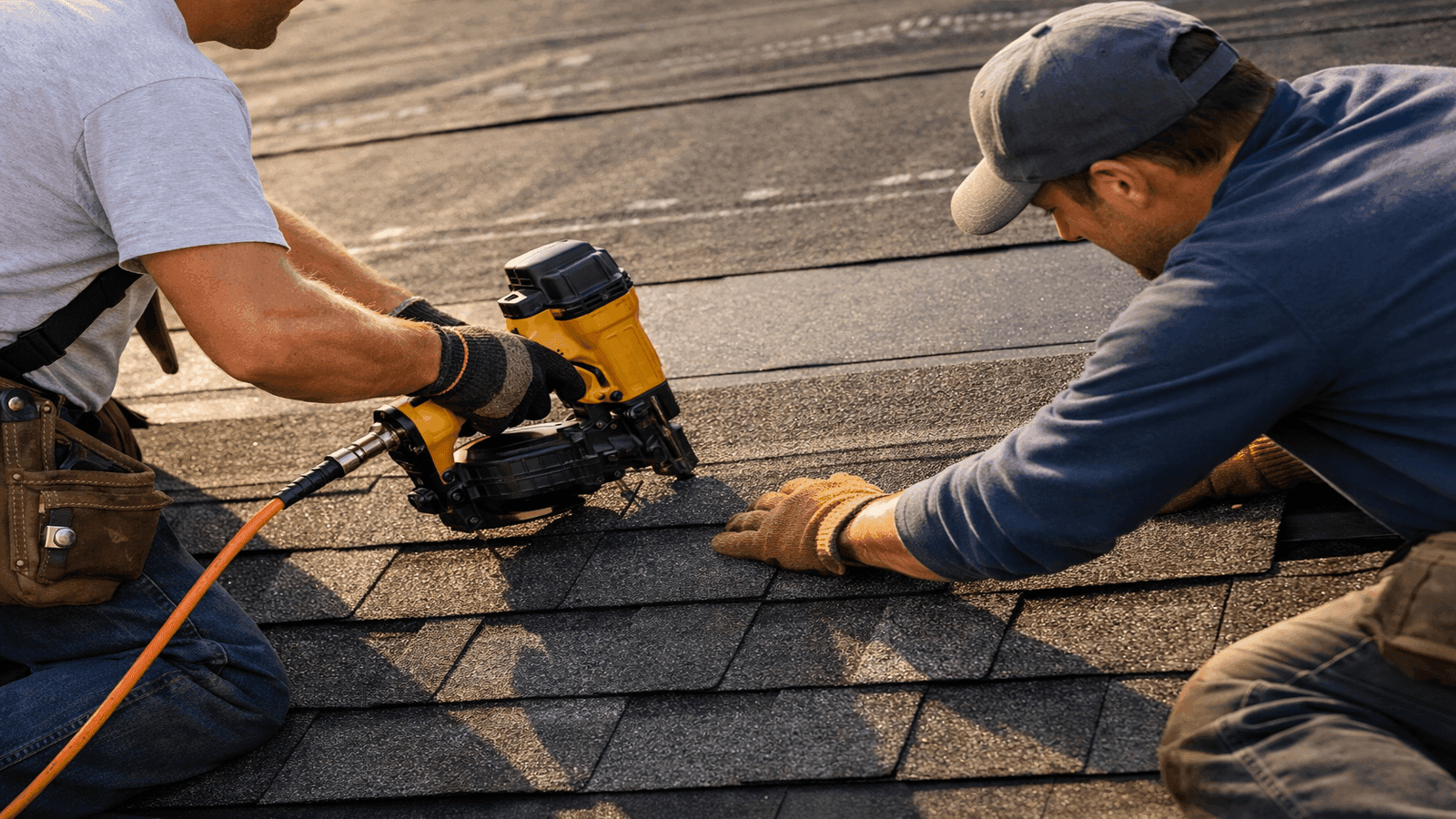
A workmanship warranty covers installation errors by the contractor, not product defects. If flashing is improperly sealed, shingles are under-nailed, or valley seams are cut incorrectly, a workmanship warranty is what gets the repair covered.
The contractor, not the manufacturer, issues this warranty. Industry data shows the most common workmanship warranty lengths are 5 and 10 years, though quality contractors frequently offer 25 years or longer [3]. Licensed roofing contractors in the NearbyHunt network report that 71% of call-backs on jobs less than five years old trace back to installation errors rather than material defects, which underscores how critical workmanship coverage is during those early years.
Enhanced (System) Warranty
Enhanced warranties, sometimes called system warranties or extended warranties, bundle manufacturer material coverage and contractor workmanship coverage into a single document. Manufacturers offer these premium programs only through their certified contractor networks.
GAF's Golden Pledge Limited Warranty, for example, provides 50 years of material defect coverage and 25 years of workmanship coverage, but it requires installation by a GAF Master Elite contractor, who represents fewer than 3% of roofing contractors nationwide [4]. CertainTeed's SureStart PLUS warranty extends the full non-prorated period from 10 years to up to 50 years for qualifying system installations.
The premium for these programs is real: expect to pay 8 to 15% more for a certified system installation compared to a standard project with the same shingles. For a $14,000 roof replacement, that adds $1,120 to $2,100 upfront. Whether that premium is worth it depends on how long you plan to stay in the home and the strength of the contractor's standalone workmanship warranty.
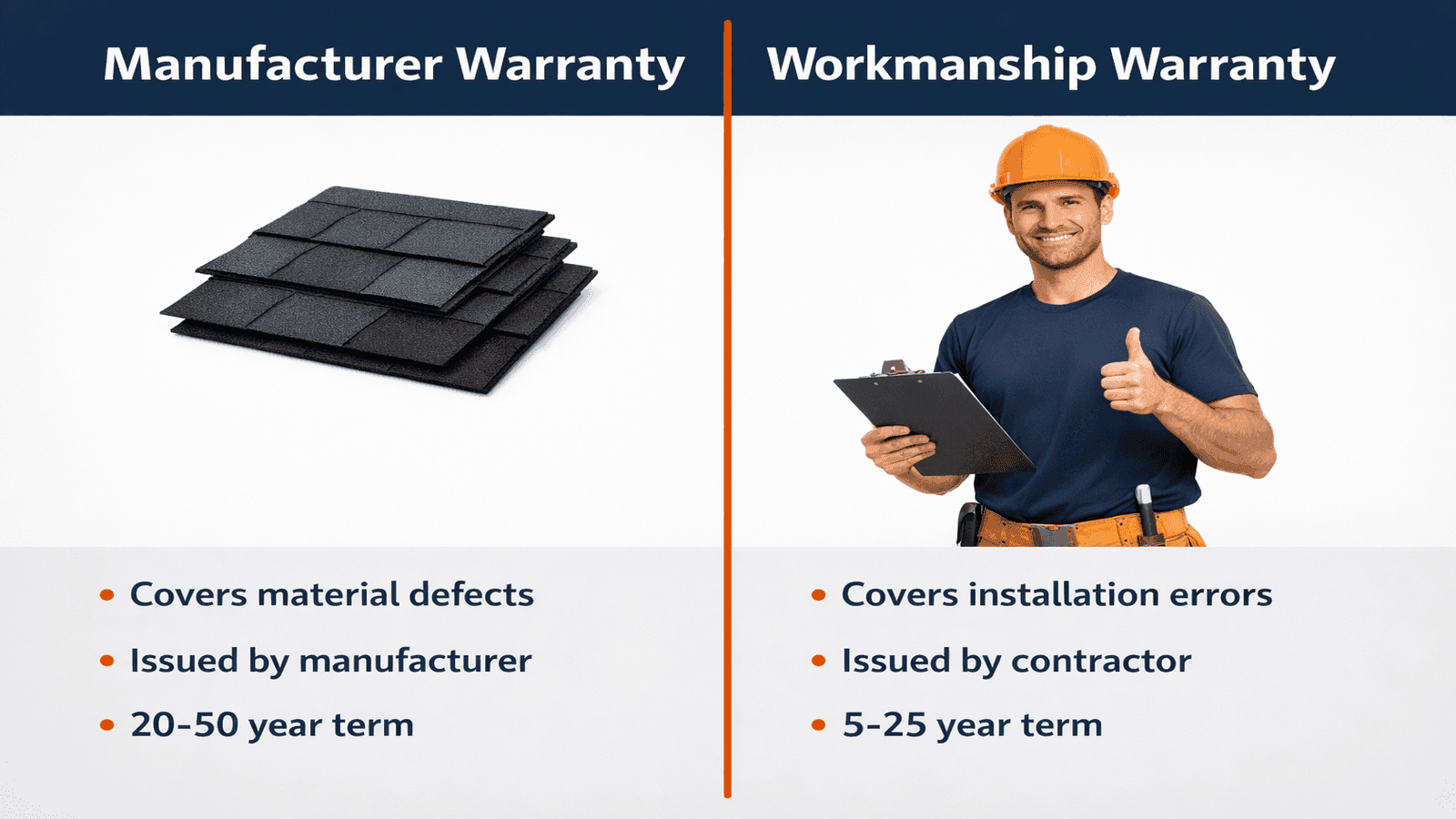
Photo: Infographic comparing manufacturer roofing warranty coverage versus contractor workmanship warranty coverage
GAF and CertainTeed Warranty Programs Compared
GAF and CertainTeed together hold roughly 70% of the U.S. residential shingle market, so understanding their warranty tiers is practical for most homeowners considering a roof replacement.
GAF Warranty Tiers
| Warranty Level | Material Coverage | Workmanship | Contractor Requirement |
| Standard Limited | 25–50 years (prorated after year 10) | None | Any installer |
| System Plus | 50 years (prorated after year 50) | None | GAF-certified |
| Silver Pledge | Lifetime | 10 years | GAF-certified |
| Golden Pledge | Lifetime | 25 years | GAF Master Elite only |
GAF's StainGuard algae-resistance warranty runs 10 years for standard products and 25 years for StainGuard Plus products. Wind warranties extend to 15 years with no speed cap when LayerLock technology shingles are installed with four qualifying accessories [2].
Get quotes from top-rated pros.
CertainTeed Warranty Tiers
| Warranty Level | Material Coverage | Workmanship | Contractor Requirement |
| Standard | Lifetime (50 years for 3-tab) | None | Any installer |
| SureStart | 10-year full, then prorated | None | Any installer |
| SureStart PLUS | 20–50 years non-prorated | None | SELECT ShingleMaster |
| 5-Star | Lifetime non-prorated | 25 years | 5-Star contractor |
CertainTeed's StreakFighter algae-resistance warranty covers 10 years, and their wind-resistance warranty extends to 15 years for qualifying installations [5].
In my 20-plus years and more than 1,800 roofing projects across the U.S. South and Midwest, I've seen more Golden Pledge and 5-Star warranty claims handled cleanly than basic limited warranty claims. The system programs have clear escalation paths. When a homeowner has a basic 30-year shingle warranty and calls a manufacturer about granule loss at year seven, it can turn into months of back-and-forth.
What Voids a Roofing Warranty
Understanding what invalidates coverage is as important as knowing what it covers. Several common homeowner actions and contractor choices can eliminate warranty protection entirely.
Improper Installation
Improper installation is the leading reason manufacturer warranty claims are denied [6]. Manufacturers specify nail length, nail placement, shingle alignment, and underlayment requirements precisely. Deviating from those specifications, even slightly, gives the manufacturer grounds to deny a claim. This is why the installer's certification matters: certified contractors are trained and audited on manufacturer installation standards.
Inadequate Attic Ventilation
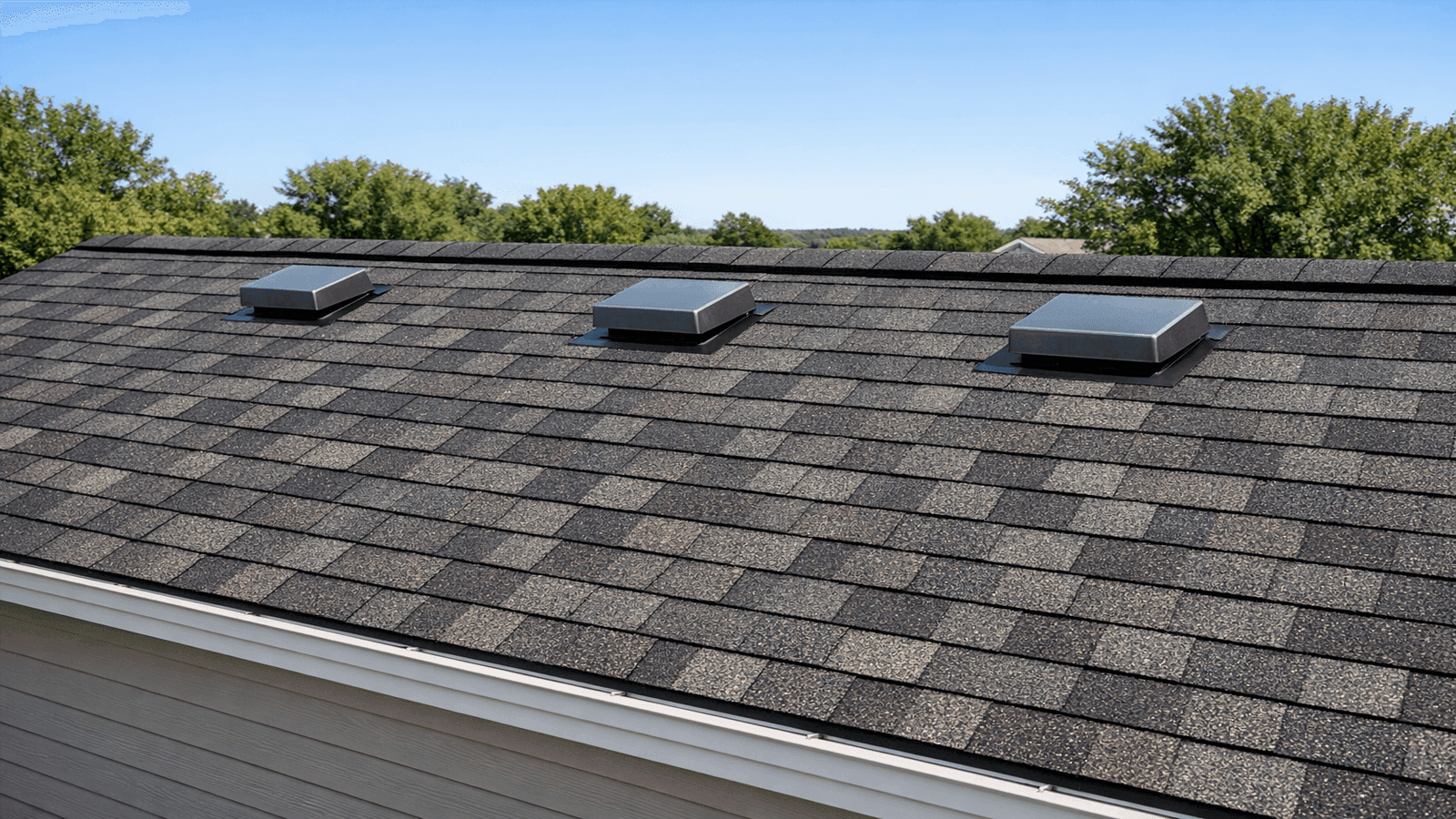
Most manufacturers require attic ventilation that meets building code minimums as a warranty condition. Insufficient ventilation allows heat and moisture to build up beneath the deck, accelerating shingle aging and causing granule loss. If an inspection finds your ventilation below standard, the manufacturer can attribute premature shingle failure to that condition and deny the claim.
Pressure Washing
Pressure washing strips granules from asphalt shingles and damages the surface coating. Several major manufacturers explicitly list pressure washing as a warranty-voiding action. If you need to remove algae or moss, use a soft-wash (low-pressure) chemical treatment instead. The types of roofing materials guide has detailed maintenance notes for each shingle category.
Installing Over an Existing Roof
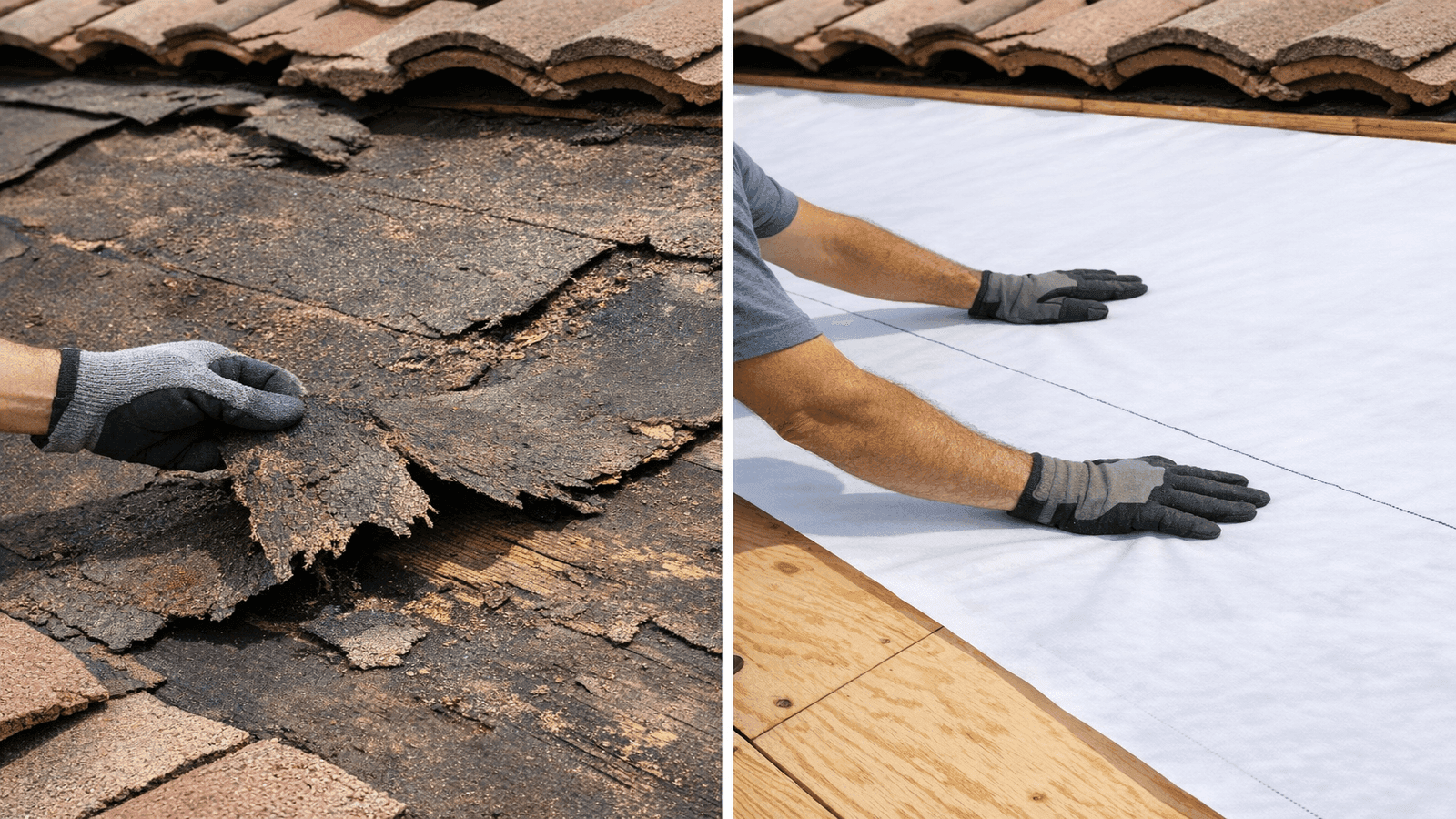
Laying new shingles over an existing layer (called a "reroof" rather than a full replacement) voids most manufacturer warranties. Manufacturers require installation over a clean, properly prepared deck.
Unauthorized Modifications
Adding solar panels, satellite dishes, HVAC equipment, or skylights after the roof is installed can void warranty coverage for the areas disturbed. Before adding any roof penetration or attachment, contact the manufacturer or your contractor to understand the impact on coverage.
Hiring a Different Contractor for Repairs
For workmanship warranties, using a different contractor to repair the original installer's work almost always voids the workmanship coverage. Contact the original contractor first, even if the relationship feels strained. If the original contractor is out of business, document the situation carefully before proceeding.
Get quotes from top-rated pros.
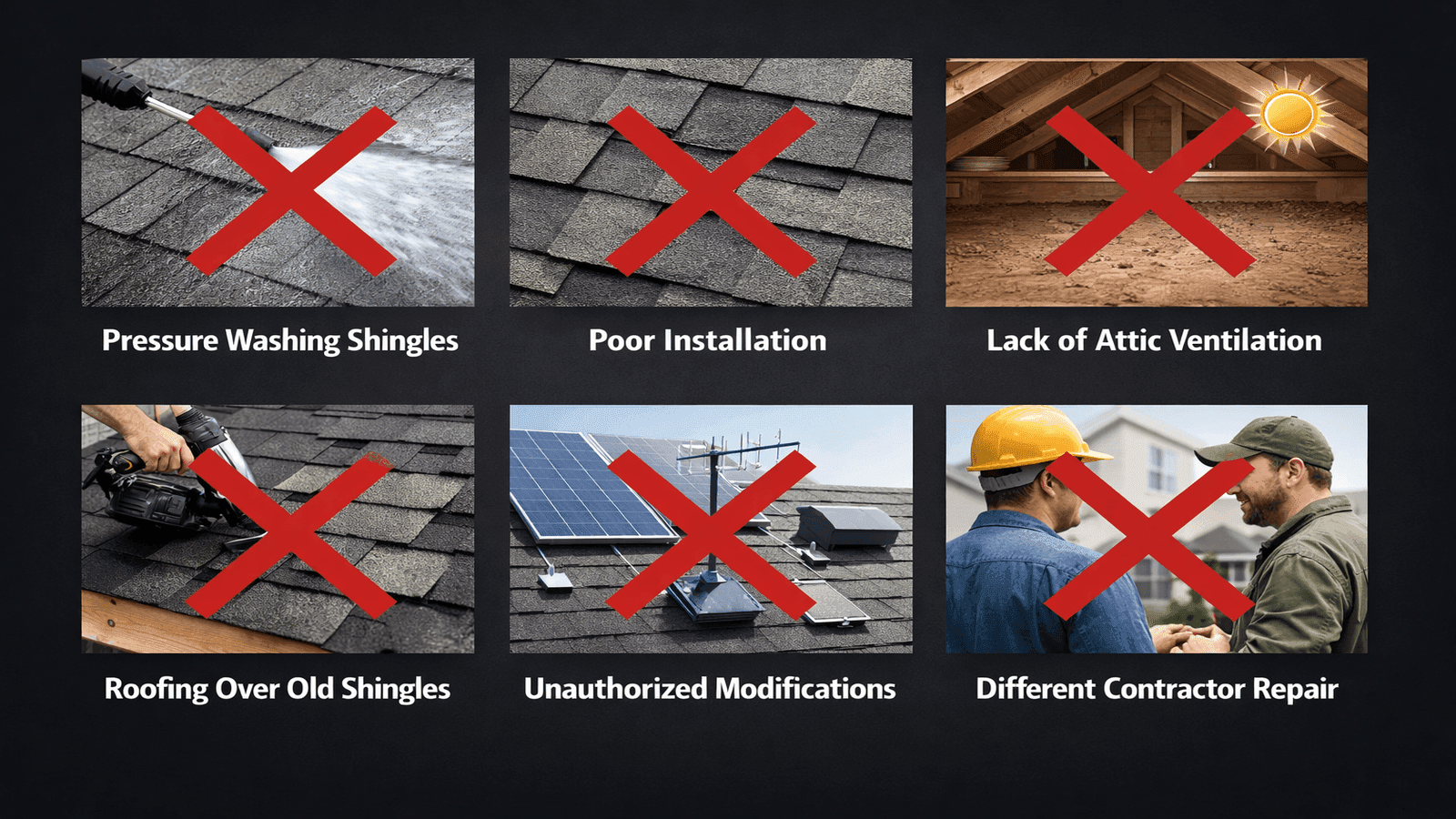
Photo: Illustrated checklist of six common actions that void a roofing warranty including pressure washing and improper installation
How to File a Roofing Warranty Claim
Filing a warranty claim successfully depends on documentation, timing, and knowing which warranty applies to your specific problem.
Step 1: Identify the Correct Warranty
Determine whether the issue is a material defect (file with the manufacturer) or an installation error (file with the contractor). Granule loss, delamination, and shingle splitting typically point to material defects. Leaks at flashing points, improperly sealed valleys, and lifting shingles typically point to installation errors. In some cases, both apply and you may need to file separate claims.
Step 2: Document the Damage
Take date-stamped photographs from multiple angles before any temporary repairs. Photograph the affected area up close and the broader roof system from the ground. If weather caused secondary damage, document that too, but note that most warranties exclude storm damage, which falls under homeowner's insurance [7].
Step 3: Review Your Warranty Terms
Pull out the original warranty documents and read the claim-filing procedures and deadlines. Some warranties require notice within a specific number of days of discovering damage. Missed deadlines are one of the most common reasons valid claims are denied.
Step 4: Schedule a Professional Inspection
Have a licensed roofing inspector evaluate the damage and provide a written report identifying the cause. This report is critical evidence. For a manufacturer claim, an independent inspector's assessment carries more weight than your own photos alone. Roof inspection costs typically run $150 to $400, a small cost relative to a denied claim. See roof inspection cost for current pricing by region.
Step 5: Submit the Claim
For manufacturer claims, submit via the manufacturer's official warranty portal or claim address. Include the original warranty, proof of purchase, installation invoice, professional inspection report, and photographs.
For contractor workmanship claims, submit in writing to the contractor's business address and send a copy by certified mail with return receipt. Written notice protects you if the contractor disputes receiving the claim.
Homeowners call me after a claim gets denied and the first thing I ask is: do you have the original installation invoice with the contractor's license number on it? A surprising number of people can't find it. That document is your proof of the workmanship warranty and the manufacturer's record of who installed the product. Keep it with your closing documents.
Step 6: Follow Up and Escalate If Necessary
Most manufacturers respond to claims within 30 to 45 business days. If you do not hear back within that window, follow up in writing. If a claim is denied and you believe it is valid, request a written explanation of the denial and consult a roofing attorney or your state's contractor licensing board for next steps.
Transferring a Roof Warranty
A transferable warranty adds measurable value when you sell your home. Buyers see it as evidence of quality installation and protection against near-term repair costs.
What Transfers
Manufacturer warranties on most premium shingle lines are transferable once, from the original owner to the next. Workmanship warranties from contractors are less commonly transferable, but high-quality contractors frequently include transfer provisions in their warranty documents.
Get quotes from top-rated pros.
Transfer Deadlines
Missing the transfer window is irreversible. Owens Corning, for example, requires transfer paperwork within 60 days of the home sale closing [8]. GAF and CertainTeed have similar windows. Transfers that happen 90 days after closing are typically rejected regardless of circumstances.
Transfer Fees
Some manufacturers charge a transfer fee, typically between $99 and $200. Factor this into your home sale planning. Some contractors transfer workmanship warranties at no cost.
What Happens After Transfer
When a warranty transfers, coverage often changes. Manufacturer system warranties frequently revert from the premium enhanced tier to a standard material-only term after transfer. A transferred Golden Pledge warranty, for instance, may revert to a standard 50-year limited material warranty. Confirm the post-transfer coverage terms with the manufacturer before using a transferable warranty as a selling point.
The licensed roofing contractors in our NearbyHunt network report that 58% of homeowners who contact them about a roof warranty issue after a home purchase find that the warranty was never formally transferred by the previous owner, leaving them with no coverage despite believing they had it.
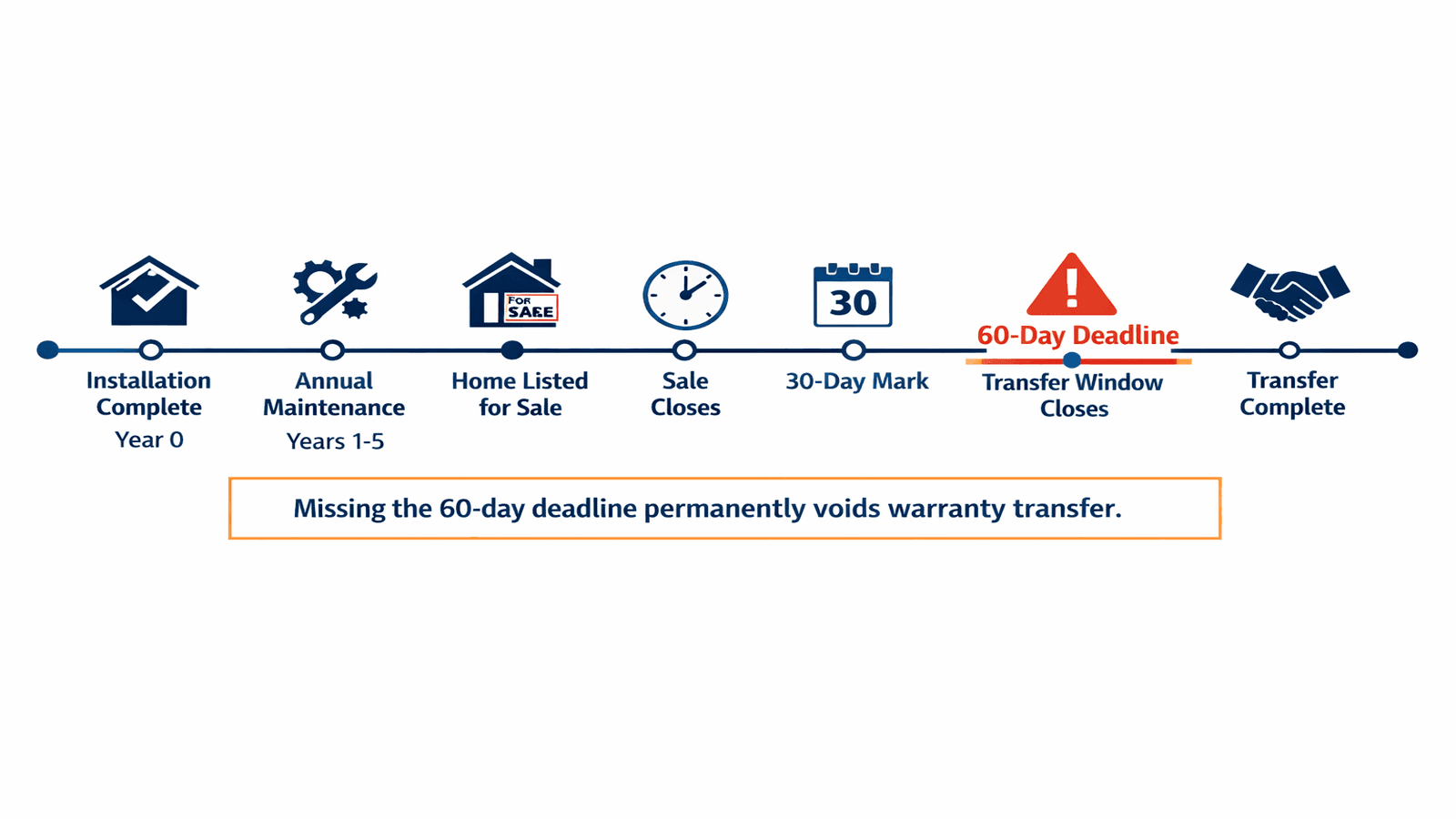
Photo: Timeline diagram showing the roofing warranty transfer process from installation through the 60-day post-sale transfer deadline
Documentation You Must Keep
Warranty protection is only as strong as your records. The following documents should be stored in both physical and digital formats.
Essential Documents
Installation invoice: Shows the contractor's name, license number, materials installed, and installation date. This is the foundation of any warranty claim.
Warranty certificates: The original manufacturer warranty certificate and the contractor's written workmanship warranty. If either is missing, contact the manufacturer or contractor to obtain replacements immediately after your project completes.
Product receipts: For manufacturer claims, proof of purchase connects the warranty certificate to the actual products installed on your roof.
Inspection reports: Any professional roof inspection reports, including pre-installation deck inspections. These establish the baseline condition.
Maintenance records: Invoices for gutter cleaning, moss treatment, minor repairs, and annual inspections. Maintenance records counter a manufacturer's argument that neglect caused premature failure. See clean gutters safely for a maintenance checklist you can use annually.
Photographs: Date-stamped photos taken at installation completion and at each annual inspection create a visual record that can prove damage is not gradual neglect.
Case Study: Teresa M., Knoxville TN
Teresa M. had a 30-year architectural shingle roof installed in 2018. In 2024, she noticed granule loss and thin spots across the south-facing slope. She contacted the shingle manufacturer to file a warranty claim, expecting full material replacement.
The manufacturer sent an inspector, who noted that the attic had 8 square feet of soffit venting for a space that required 12 square feet under the manufacturer's guidelines. The inspector attributed the granule loss to heat buildup from inadequate ventilation and denied the claim.
Teresa appealed with a licensed inspector's counter-report showing the granule loss pattern was inconsistent with heat damage and more consistent with a batch defect affecting shingles from the same production run. She had kept the original installation invoice, the warranty certificate, and annual inspection photos from 2019 through 2023. The documentation supported her appeal and the manufacturer ultimately agreed to replace the affected shingles. Total claim value: approximately $4,200 in materials.
The lesson is twofold: inadequate ventilation is a real risk factor that manufacturers will cite, and thorough documentation can successfully counter a denial.
Roofing Warranties and Home Value
A valid, transferable roof warranty is a genuine selling point in real estate. Buyers increasingly request warranty documentation during the due diligence period, and a transferable 20-year remaining warranty on a GAF or CertainTeed system installation can support a higher asking price or faster closing.
A roof in good condition with documented warranty coverage also affects homeowner's insurance rates in some markets. Insurers view a newer roof with verified installation quality as a lower risk, which can reduce annual premiums by 5 to 20% depending on the insurer and location [9].
For context on what a full replacement costs versus what a warranty-covered repair saves, the cost to replace roof guide and roofing costs overview both provide current regional pricing. The roofing financing options article is worth reviewing if a warranty denial leaves you facing out-of-pocket repair costs.
The contractors in our network who offer 25-year transferable workmanship warranties win more jobs than those offering 5 years. Homeowners are starting to understand that the warranty is part of what they're buying. A shorter warranty is often a signal that the contractor isn't fully confident in the installation.
Conclusion
A roofing warranty is only as valuable as your understanding of it and your discipline in maintaining the conditions that keep it valid. The critical points from this guide:
Manufacturer warranties cover material defects, not installation errors. Workmanship warranties cover installation errors, and the contractor issues them. Enhanced system warranties combine both but require certified contractors and typically cost more upfront.
Most warranties are voided by improper installation, inadequate ventilation, pressure washing, unauthorized modifications, and failing to use certified contractors for repairs.
Filing a successful claim requires the original installation invoice, warranty certificates, professional inspection documentation, and timely notice to the correct party.
Transferable warranties can increase your home's market value, but transfer deadlines (typically 30 to 60 days after closing) are strict and non-negotiable.
If your current roof is approaching the end of its warranty period or you are evaluating a replacement, consult with a licensed roofing contractor in the NearbyHunt network to review your documentation and understand your coverage position before a problem occurs.
For context on how long your specific roofing system should last relative to the warranty term, see how long do roofs last. For storm-specific damage assessment that intersects with warranty claims, see the storm damage assessment guide.
Disclaimer: The warranty terms, coverage periods, and claim procedures described in this guide reflect general industry practices as of March 2026 and publicly available manufacturer documentation. Specific warranty terms vary by manufacturer, product line, and installation location. This article does not constitute legal advice. Consult the actual warranty documents issued for your installation and contact the relevant manufacturer or a licensed attorney for guidance on specific claims or disputes. Roofing costs and insurance impacts mentioned are estimates based on industry data and will vary by location, project scope, and insurer.
Sources & References
[1] National Roofing Contractors Association. (2025). "Residential Roofing Warranty Standards." https://www.nrca.net/
[2] GAF. (2026). "Residential Roofing Warranty Programs." https://www.gaf.com/en-us/resources/warranties
[3] Owens Corning Roofing. (2026). "Understanding the 3 Main Types of Roofing Warranties." https://www.owenscorning.com/en-us/roofing/blog/roofing-warranties-explained
[4] GAF. (2026). "GAF Master Elite Contractor Program Overview." https://www.gaf.com/en-us/for-professionals/contractors
[5] CertainTeed. (2026). "Understanding Roof Warranties." https://www.certainteed.com/understanding-roof-warranties
[6] Professional Roofing Magazine. (2025). "Understanding Lifetime Limited Asphalt Shingle Warranties." https://www.professionalroofing.net/Articles/Understanding-lifetime-limited-asphalt-shingle-warranties/1913
[7] Colorado Roofing Association. (2025). "Filing a Roofing Insurance Claim: A Step-by-Step Guide." https://www.coloradoroofing.org/news/filing-a-roofing-insurance-claim-in-colorado
[8] Owens Corning Roofing. (2026). "How to Transfer a Roof Warranty." https://www.owenscorning.com/en-us/roofing/blog/how-to-transfer-a-roof-warranty
[9] National Roofing Contractors Association. (2025). "Roofing and Homeowners Insurance: What Contractors Need to Know." https://www.nrca.net/

James is a licensed roofing contractor with 20 years of experience in roof installation, inspection, and repair across the U.S. South and Midwest. He specialises in asphalt shingles, metal roofing, and storm damage restoration. On NearbyHunt, James offers practical advice on roof maintenance, insurance claims, and selecting the right materials for long-lasting protection.

Jacob is a licensed roofing contractor with over 18 years of experience in roof inspection, installation, and restoration. Based in Texas, he has led hundreds of successful roofing projects across residential and commercial properties. Jacob is also a certified storm damage specialist, ensuring that all NearbyHunt roofing content meets industry best practices and safety standards.