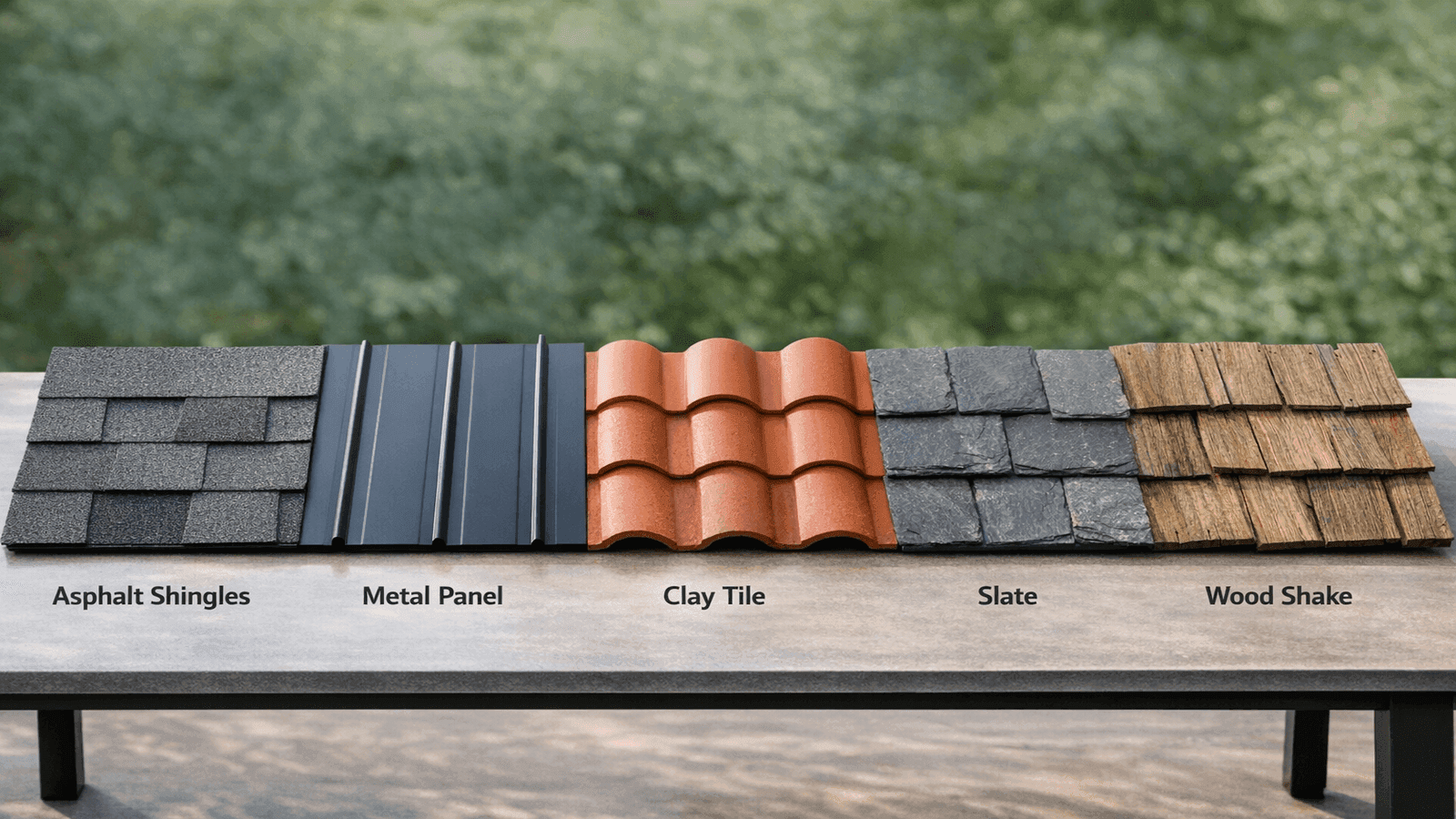
- Clay tile costs $12-$25 per sq ft installed; concrete tile runs $8-$15 per sq ft, both far outlast asphalt shingles, but require a structural assessment before installation can begin.
- A 2,000 sq ft tile roof costs $16,000-$50,000 depending on tile type, pitch, and regional labour rates; most homeowners pay $20,000-$35,000.
- Tile roofs can weigh 850-1,200 lbs per square. 35-50% of existing homes need structural reinforcement at $3,000-$8,000 before tile can be safely installed.
- Concrete tile lasts 50+ years; clay lasts 75-100+ years, making the higher upfront cost more economical over time than two or three asphalt replacements.
- James Carver has installed 200-plus tile roofs across Texas and the Southeast over 20 years, and 1,800-plus residential roofing projects. The hidden cost homeowners most often miss is the structural engineer assessment before a single tile is set.
Tile roofing dominates residential construction across Florida, Arizona, California, Texas, and the broader U.S. South for good reason: no other roofing material combines aesthetics, longevity, and weather resistance the way clay and concrete tile do. Mediterranean barrel tile on a coastal Florida home, flat concrete tile on a Texas ranch, or high-profile S-tile on a California Spanish revival -- these are roofs that last generations when installed correctly. For a complete comparison of all roofing material costs and lifespans, see our guide on roofing costs.
What those long lifespans do not reveal in the sales brochure is that tile is the most technically demanding residential roofing system to install and the most unforgiving when the structural foundation under it is inadequate. This guide covers everything: clay vs. concrete cost comparisons, total installed costs by home size, the structural assessment every tile job requires, the factors that drive installation cost up or down, repair vs. replacement decisions, and the long-term maintenance budget you should plan for before choosing tile.

Get quotes from top-rated pros.
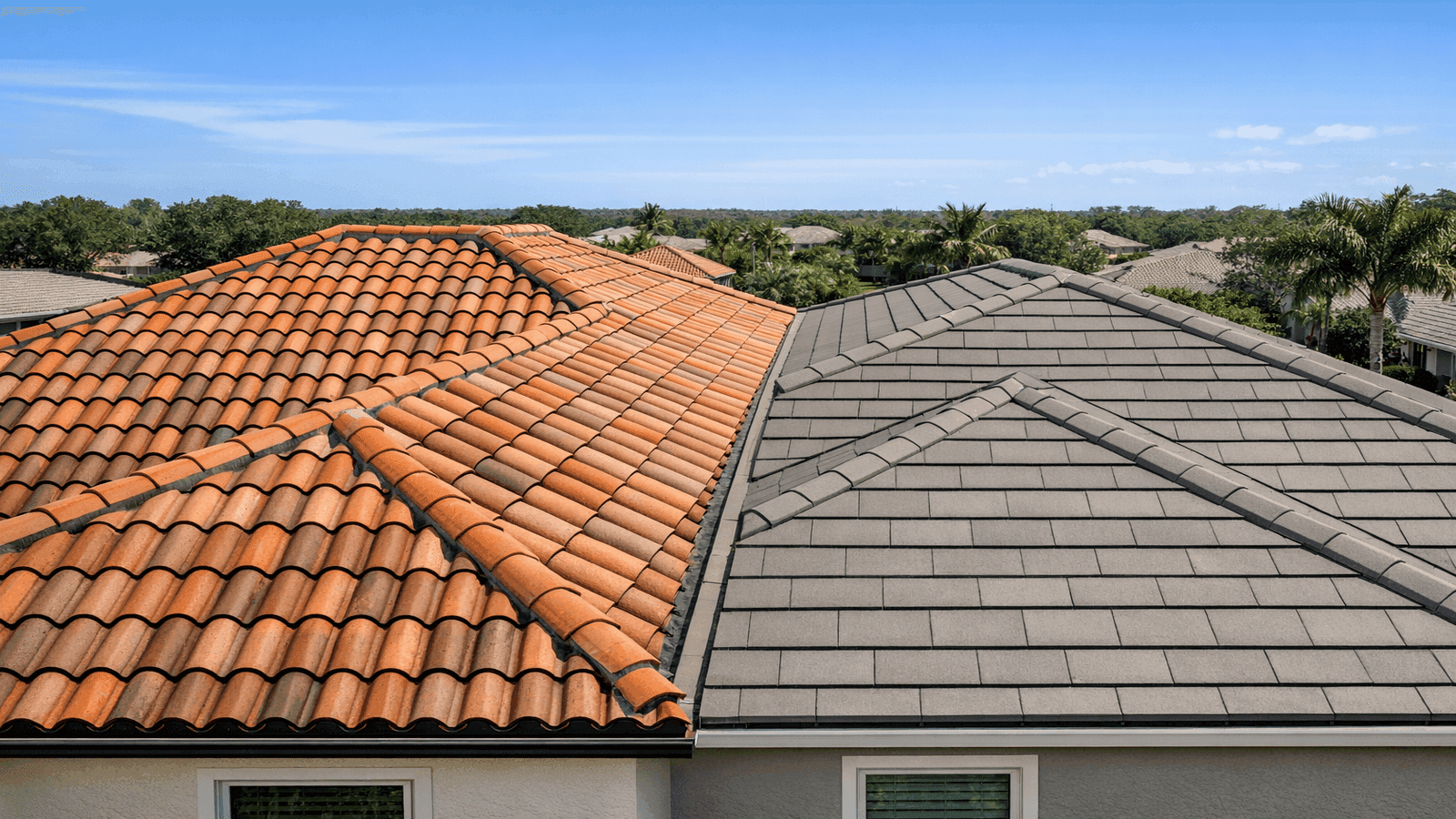
Photo: Aerial comparison of a clay barrel tile roof on the left and a concrete flat tile roof on the right, showing the color and profile differences between the two most common tile roofing types
Clay vs. Concrete Tile: Cost Comparison
The tile roofing category breaks into three main materials: clay, concrete, and composite (synthetic) tile. Each carries different installed costs, weight profiles, and performance characteristics.
Clay tile is the premium option. Raw clay is fired at high temperatures, which creates a material that does not absorb water, will not fade in UV light, and resists freeze-thaw cycles at a level no manufactured product can match. Clay tile costs $600-$1,500 per square for materials alone (a "square" is 100 sq ft of roof surface), and $12-$25 per sq ft installed. The higher end of that range applies to premium hand-crafted profiles like genuine Talavera or deep barrel tile with custom color blends. Clay is heavier than concrete and more brittle -- foot traffic that would only crack a concrete tile will shatter a clay one [1].
Concrete tile is the workhorse of tile roofing in the U.S. South and Midwest. It is manufactured from portland cement, sand, and iron oxide pigments, pressed into profile molds and cured. Concrete tile costs $400-$900 per square for materials and $8-$15 per sq ft installed. It is more impact-resistant than clay, lighter (though still far heavier than asphalt), and can be manufactured to mimic the profile of clay barrel tile, wood shake, or slate. The trade-off is that the surface coating fades over 15-20 years and the tile absorbs more moisture than clay, which can lead to algae growth in humid climates if not cleaned regularly [2].
Composite/synthetic tile costs $300-$700 per square and offers a Class 4 impact rating that clay and concrete cannot match. It is roughly 40% lighter than concrete tile, which makes it the practical choice for retrofit installations on structures with marginal structural capacity. Lifespan data for synthetic tile is still maturing -- most manufacturers offer 40-50 year warranties.
Regional preferences follow climate and architectural tradition. Clay barrel tile is the standard in Florida, Arizona, and coastal California. Concrete tile dominates in Texas and Georgia where cost-consciousness is higher and the Mediterranean aesthetic is translated through a slightly flatter profile. Composite tile is growing in Colorado and the Mountain West where hail frequency is high.
| Tile Type | Material Cost/Sq Ft | Installed Cost/Sq Ft | Weight (lbs/Square) | Lifespan | Manufacturer Warranty |
| Clay Tile | $6-$15 | $12-$25 | 600-1,000 | 75-100+ years | 50 years (limited) |
| Concrete Tile | $4-$9 | $8-$15 | 850-950 | 50-60 years | 30-50 years (limited) |
| Composite/Synthetic | $3-$7 | $7-$13 | 200-350 | 40-50 years | 40-50 years (limited) |
Sources: [1][2]
Tile Roof Cost by Home Size
Actual roof surface area is larger than your home's footprint because of pitch. A 2,000 sq ft home with a standard 5:12 pitch has approximately 2,200-2,400 sq ft of actual roof surface. Steep 8:12 or 10:12 pitches can add 25-35% to your square footage, which adds directly to material and labor costs.
Homes built before 1990 should budget for structural reinforcement as a likely additional expense. Concrete and clay tile weighs 850-1,200 lbs per square -- asphalt shingles weigh 250-350 lbs per square. Rafters and trusses engineered for asphalt may require sistering, collar ties, or ridge beam upgrades to safely carry tile loads [3].
Roofers in the NearbyHunt network report that approximately 60% of Texas homes requesting tile roofing require at least minor structural reinforcement costing $1,500-$4,000, with older homes (pre-1985) more frequently requiring major reinforcement in the $5,000-$8,000+ range.
| Home Footprint | Roof Area (5:12 pitch) | Concrete Tile Total | Clay Tile Total | With Structural Upgrade | 50-Year Cost vs. Asphalt* |
| 1,200 sq ft | ~1,350 sq ft | $10,800-$20,250 | $16,200-$33,750 | Add $3,000-$8,000 | Tile saves $8,000-$15,000 |
| 1,800 sq ft | ~2,025 sq ft | $16,200-$30,375 | $24,300-$50,625 | Add $3,000-$8,000 | Tile saves $10,000-$22,000 |
| 2,000 sq ft | ~2,250 sq ft | $18,000-$33,750 | $27,000-$56,250 | Add $3,000-$8,000 | Tile saves $12,000-$25,000 |
| 2,500 sq ft | ~2,800 sq ft | $22,400-$42,000 | $33,600-$70,000 | Add $3,500-$10,000 | Tile saves $15,000-$30,000 |
| 3,500 sq ft | ~3,950 sq ft | $31,600-$59,250 | $47,400-$98,750 | Add $4,000-$12,000 | Tile saves $20,000-$40,000 |
- 50-year comparison assumes 2.5 asphalt replacements at $10,000-$15,000 each vs. one tile installation plus underlayment replacement at year 20-25.
Get quotes from top-rated pros.
The Structural Assessment: Critical First Step
Before a roofing contractor orders a single tile, a licensed structural engineer must evaluate whether the home's framing can carry the load. This is not optional, and any contractor who skips this step is exposing you to significant liability.
Standard concrete tile weighs 850-950 lbs per square. Clay tile runs 600-1,000 lbs per square depending on profile. Compare that to 250-350 lbs per square for asphalt or 50-150 lbs per square for metal. When a roof structure engineered for asphalt suddenly supports four times the dead load, stress concentrates in rafters, ceiling joists, wall plates, and in some cases the foundation. Pre-1985 homes were most frequently framed for lighter loads; post-1990 construction in tile-dominant markets often pre-engineered for tile [3].
A structural engineer assessment costs $300-$800 and produces a stamped report that permits departments require before issuing a tile roofing permit. Pairing this with a thorough roof inspection checklist before the engineer visit ensures you flag all access points and known problem areas in advance. What the engineer evaluates:
- Rafter size and spacing: 2x6 at 24" O.C. may be adequate for asphalt but insufficient for concrete tile; 2x8 at 16" O.C. is a common minimum threshold for heavy tile.
- Ridge board and ridge beam: tile load transfers to the ridge; undersized ridges flex and crack tiles at the peak.
- Ceiling joists and collar ties: lateral thrust from tile-loaded rafters increases at steep pitches.
- Wall plates and top plates: concentrated loads from rafters bear here; cracked or undersized plates are a structural failure point.
- Foundation: only relevant on very heavy loads with soft soil; rare in standard residential applications.
Structural reinforcement costs range from $3,000-$8,000 for typical rafter sistering and tie upgrades, and $12,000-$20,000 for major work involving ridge beam replacement or foundation intervention. Permits are required in all states for structural modifications, and the engineer must stamp and sign off on plans before the building department will issue the roofing permit [3].
I've seen trusses in pre-1985 homes show serious deformation within six months of a tile install done without engineering review -- the load is no joke. One job in San Antonio, the homeowner had a contractor install concrete tile over a roof that was built for asphalt. Eight months later I'm looking at cracked ridge board, bowed rafters, and ceiling drywall cracking in the master bedroom. The re-engineering and repair cost more than the original roof. Get the engineer. It is a $500 decision that protects a $30,000 investment.
What Affects Tile Roof Installation Cost
Once the structural question is answered, installation cost is driven by a set of factors that combine in ways that can push a $20,000 job to $35,000 -- or keep it closer to the low end if conditions are favorable.
Tile profile is the single biggest material cost variable. Flat or low-profile concrete tile at $400-$550 per square is significantly cheaper than deep barrel clay tile at $900-$1,500 per square. Mixed profiles (e.g., flat field tile with decorative ridge caps in a contrasting profile) add 10-15% to material cost.
Underlayment determines how long the roof system stays watertight even if tiles crack or shift. Tile roofing requires high-performance underlayment -- either a self-adhered synthetic (like GAF's Deck-Armor or similar) or hot-applied asphalt-modified felt. Tile-grade underlayment adds $600-$1,500 to project cost compared to standard felt, but it is what protects your home when a tile cracks and you do not notice for six months [2].
Batten system: most tile profiles require a pressure-treated wood batten system nailed to the roof deck, over which tiles are hung or nailed. Battens cost $400-$900 for a standard 2,000 sq ft roof. Code in Florida and California requires batten gaps for drainage in wet climates, adding minor labor cost.
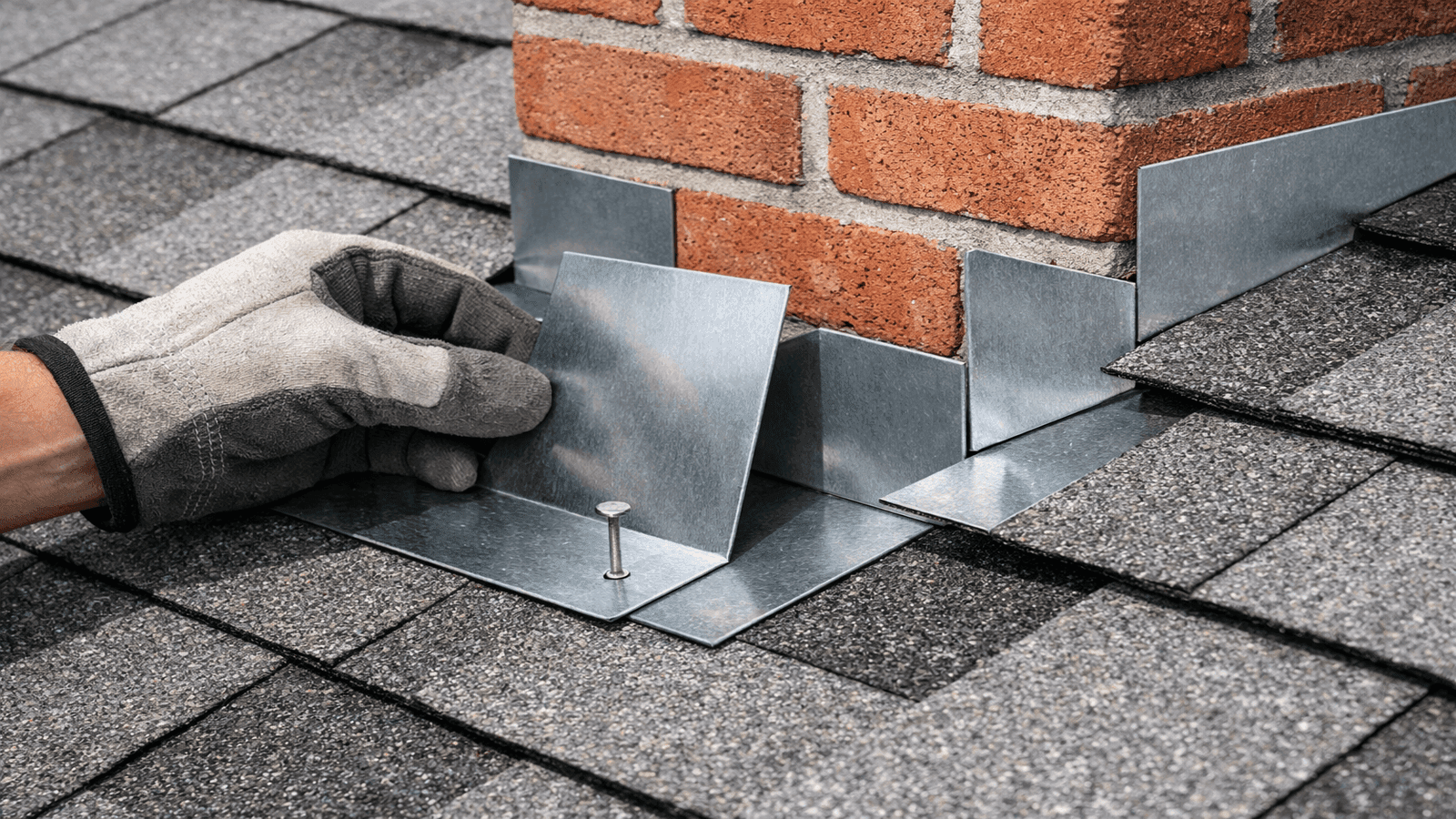
Flashing: clay tile demands copper flashing at all valleys, hips, penetrations, and kickout points. Copper costs $4-$8 per linear foot compared to $1.50-$3 for galvanized. A complex roof with multiple valleys and a chimney may have 80-120 linear feet of flashing -- that is a $250-$550 cost difference for flashing material alone.
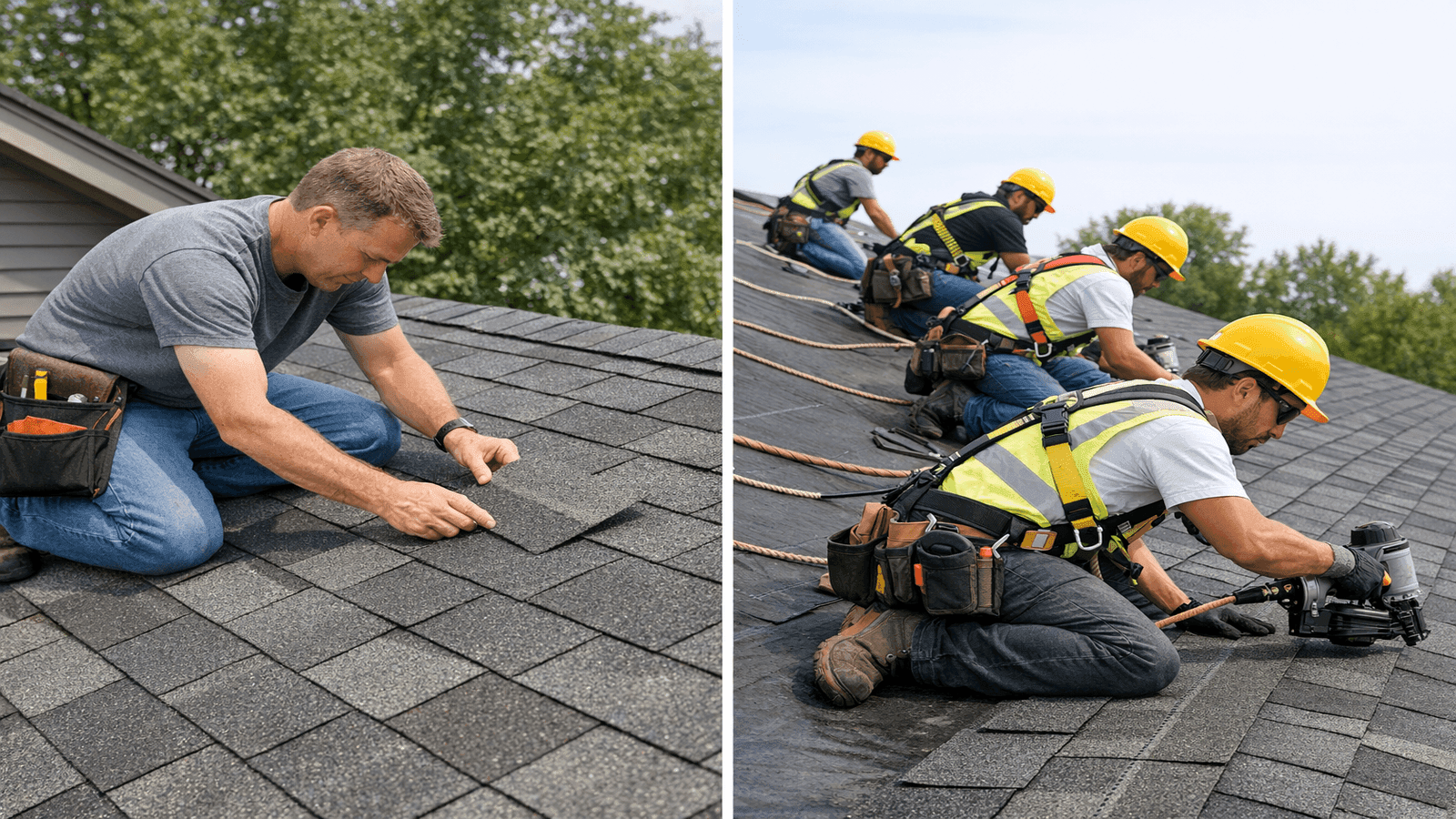
Roof pitch: a 5:12-7:12 pitch is considered standard and carries no pitch surcharge. Above 8:12, installers require safety harnesses, anchor systems, and slower hand-placement of every tile. Expect a 20-30% labor premium for pitches above 8:12.
Complexity: hip roofs require tile cutting and special hip cap installation at every ridge -- a process that adds 15-20% material waste and 15-25% labor time compared to a simple gable roof. Dormers, chimneys, and skylights each add 2-5% to total labor.
Tear-off: removing existing tile for disposal runs $2-$4 per sq ft, compared to $1-$2 per sq ft for asphalt tear-off. Tile is heavy and fragile -- broken pieces create a hazardous work environment, and disposal fees are higher because of weight [1].
Most homeowners don't realize that installing tile on a hip roof requires 30% more tile ordered just to cover the cuts and hip caps. On a 2,500 sq ft hip roof with clay barrel tile, that is $2,500-$4,500 in additional material before labor. I always walk the roof outline with the homeowner before quoting so there are no surprises at delivery.
Tile Roof Repair vs. Replacement
Tile is exceptionally durable, but the system that sits beneath it -- the underlayment -- has a shorter service life. Understanding the distinction between a tile problem and an underlayment problem determines whether you need a $300 repair or a $14,000 underlayment replacement.
Individual broken tile replacement: $150-$400 per tile, including labor. The high labor cost reflects the difficulty of removing surrounding tiles without breaking them, replacing the damaged tile, and re-setting the adjacent field. An experienced tile roofer can replace 3-5 tiles per hour; an untrained worker attempting the same job often creates secondary damage.
Walking damage is one of the most preventable causes of tile breakage. Clay tile has essentially zero foot-traffic tolerance. Concrete tile can handle minimal traffic if weight is distributed on the lower third of the tile (the nail zone), but even trained roofers walk tile carefully. Never allow untrained workers -- HVAC technicians, solar installers, satellite dish crews -- to walk an unprotected tile roof. Foam pads or walkway tiles should be placed before any non-roofing trades access the roof.
Underlayment failure is the most consequential tile roof problem and the one most commonly misunderstood by homeowners. The original felt underlayment installed under concrete or clay tile in the 1980s and 1990s was a 3-ply or 4-ply organic felt rated for approximately 20 years. When that felt degrades -- which it does quietly, behind tiles that may look perfectly intact -- the roof has no leak protection. A single cracked tile or failed hip flashing now allows water directly to bare decking.
Underlayment replacement without tile replacement costs $8,000-$15,000 for a standard 2,000 sq ft home: tiles are carefully removed, labeled, and staged; old felt is stripped; new synthetic underlayment is installed; and tiles are re-set. This is significantly less expensive than a full replacement with new tile, but it is still a major project [4].
Ridge cap repair: the mortar-bedded ridge caps on a tile roof require repointing every 15-20 years as mortar cracks and crumbles. Ridge cap repair runs $500-$1,500 and is the most common maintenance item on tile roofs over 15 years old.
Signs you need full replacement vs. repair:
- More than 30% of tiles are broken, cracked, or missing
- Widespread underlayment failure visible during inspection (wrinkled, brittle, shredding felt when tiles are lifted)
- Granular mortar loss at ridge combined with multiple broken caps
- Active leaks at multiple penetrations simultaneously
- Deck damage (soft spots, rot, delamination) discovered during tile removal
The tiles might look perfect from the street -- and they often are. But if the underlayment is 25 years old and crumbling when you lift a tile, you have zero leak protection. I recommend replacing underlayment every 20-25 years as a proactive measure even when tiles are in excellent condition. The cost is roughly 40% of a full replacement and buys another 25 years of leak protection. That is the math that makes tile the best long-term value in roofing.
Get quotes from top-rated pros.
Real-World Case Study
Rosa M. in San Antonio, Texas, bought her 1990 home with the original concrete tile roof still in place. The tiles were in good cosmetic condition -- no visible breakage, consistent color, no missing pieces. A routine inspection before a refinance triggered a closer look when the appraiser noted the age of the roof.
James inspected the roof and found the original 4-ply organic felt underlayment was at the end of its service life: brittle, crumbling in sections when tiles were lifted, and showing evidence of moisture intrusion at three valley intersections. The tiles themselves were 90% reusable. A full replacement with new tile was quoted at $32,000. James recommended full underlayment replacement with tile re-use instead: $14,000.
A structural assessment during planning revealed two rafters near the ridge that had experienced minor deformation under 35 years of tile load. James sistered both rafters before re-installation: an additional $1,800.
Total project cost: $15,800. The homeowner retained 25+ years of renewed leak protection, preserved her original tile profile (no longer manufactured in that exact color blend), and saved $16,200 compared to full replacement. The refinance appraiser noted the updated roofing system in the final report.
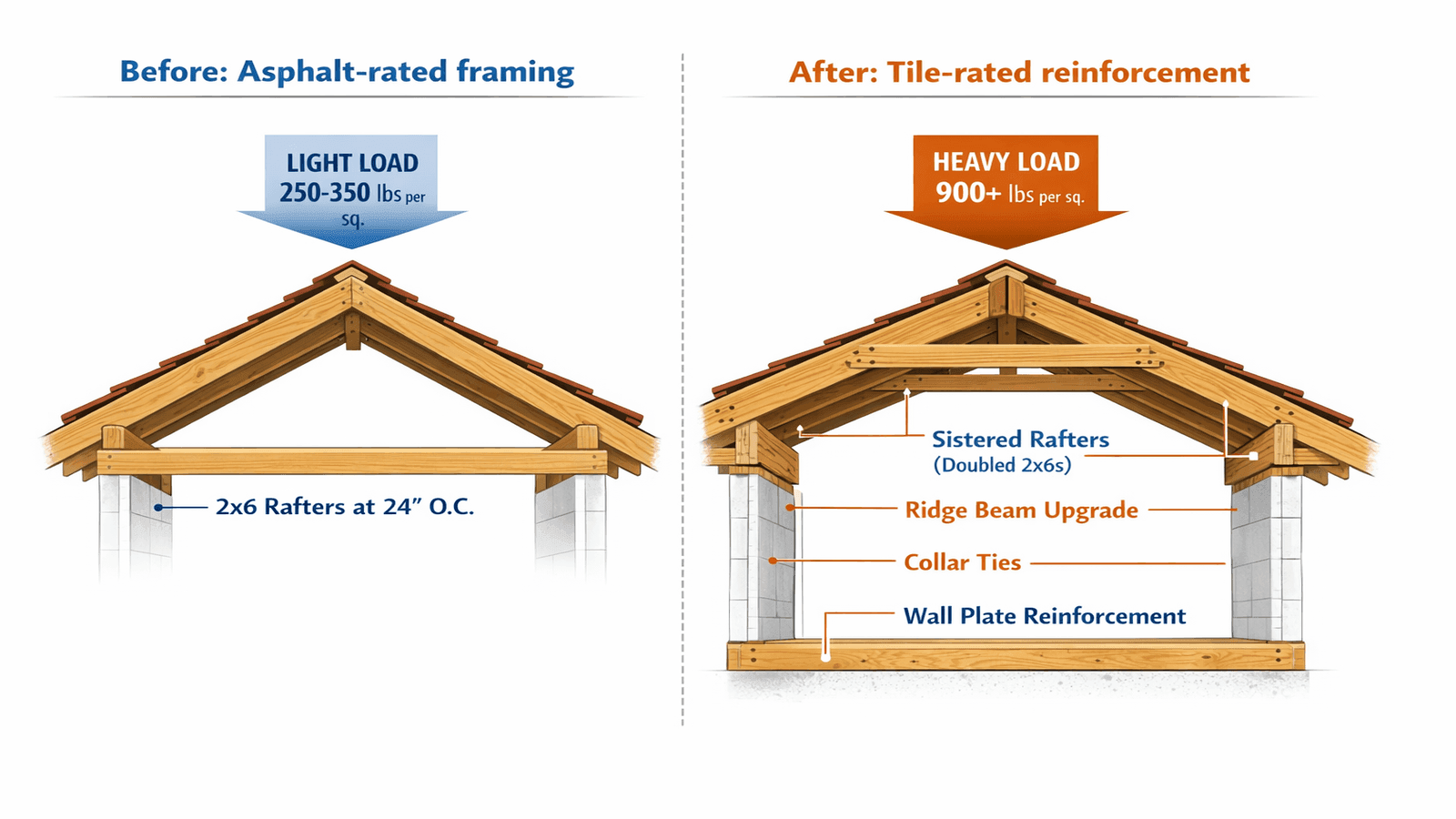
Photo: Cross-section diagram comparing standard asphalt-rated rafter framing on the left with sistered and reinforced rafter framing required for tile roof load on the right, with callouts for sistered rafters, ridge beam, and collar ties
Maintenance and Long-Term Costs
One of the most compelling arguments for tile is how low the annual maintenance budget is compared to asphalt. Tile does not granulate, does not curl, and does not crack from thermal cycling the way asphalt does. The maintenance program for tile is focused on what sits beside and below the tile -- flashing, mortar, underlayment -- rather than the tile itself.
Bi-annual inspection: $250-$500. A qualified tile roofer walks the roof twice per year looking for cracked or displaced tiles, ridge mortar integrity, flashing condition at all valleys and penetrations, and gutter debris accumulation at eaves. Understanding what each component does before the inspector arrives helps you ask informed questions -- see our guide to roof components explained. Catching a cracked tile in October is a $200 repair; missing it through winter is a $3,000 water damage claim.
Cleaning: never power wash a tile roof. High-pressure water forces under the tile lap and directly onto underlayment, accelerating the degradation that eventually causes underlayment failure. The correct method is a low-pressure soft wash with an approved biocide to remove algae and lichen, priced at $0.25-$0.50 per sq ft. A 2,500 sq ft roof costs $625-$1,250 to clean properly. In humid markets (Florida, Gulf Coast, Georgia), plan on cleaning every 3-5 years.
Repointing ridge: every 15-20 years, the mortar bedding at the hip and ridge caps requires repointing as the original mortar cracks with thermal movement. Repointing costs $800-$2,000 for a standard residential roof and is often bundled with a cleaning service.
Tile restoration/painting (concrete tile only): the factory color coating on concrete tile fades over 15-25 years. Tile elastomeric coating and restoration products can restore color and add a waterproof surface layer, priced at $1.50-$3.00 per sq ft. On a 2,000 sq ft roof, that is $3,000-$6,000. This service is cosmetic but also reduces moisture absorption in aging concrete tile.
50-year maintenance budget for tile: $8,000-$20,000 total, including bi-annual inspections, one underlayment replacement at year 20-25, periodic cleaning and repointing, and any individual tile replacements.
Compare that to asphalt: two full replacements over 50 years at $10,000-$15,000 each, plus annual inspection and periodic repairs, totals $28,000-$40,000. Tile wins the long-term cost comparison decisively in most scenarios, and that math does not account for the superior resale value and insurance advantages tile provides in hurricane-rated markets [2][4].
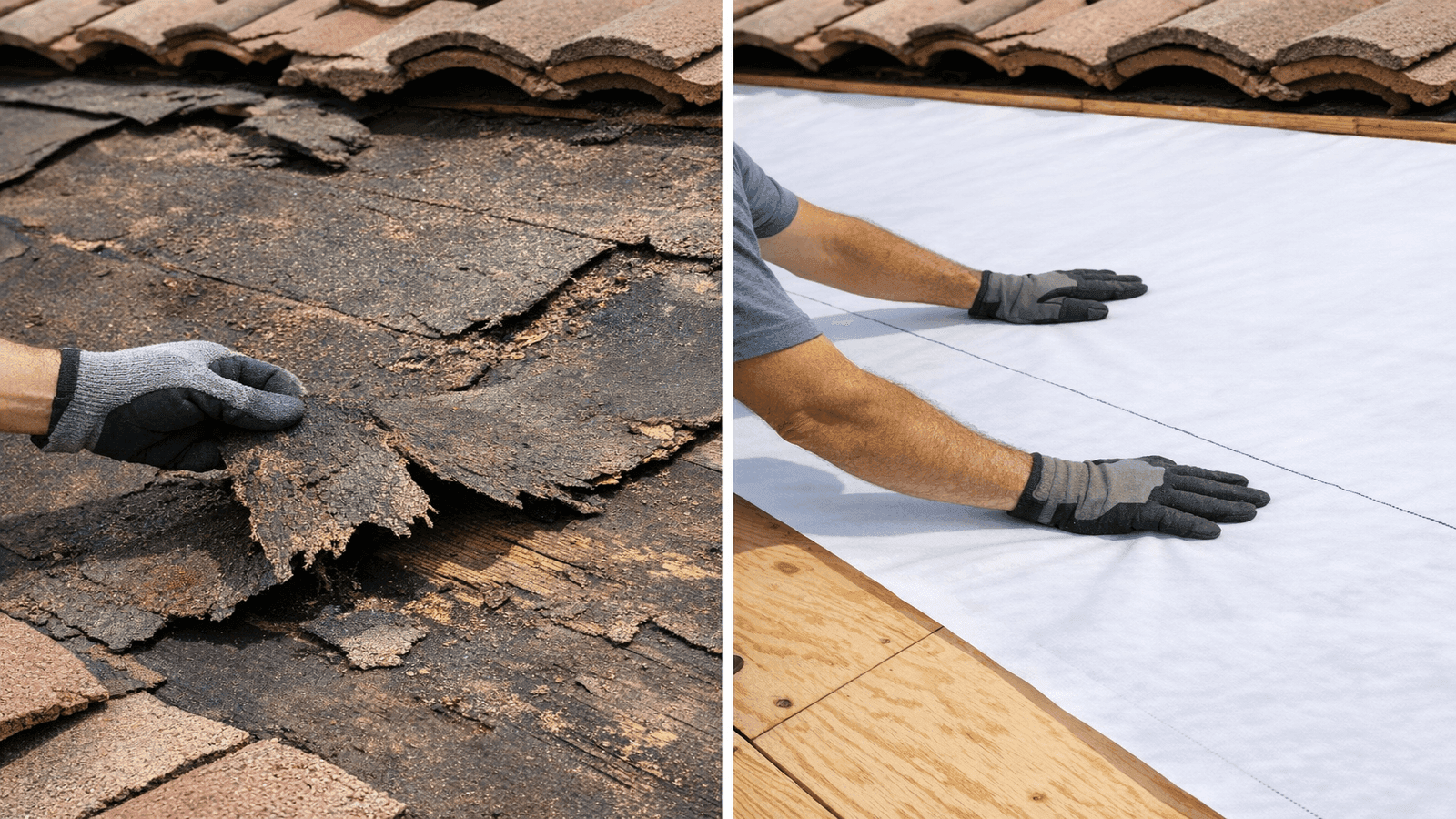
Photo: Split photograph comparing deteriorated crumbling organic felt underlayment on the left with new white synthetic underlayment being installed on the right during a tile roof underlayment replacement project
Conclusion
Tile roofing is the highest-upfront, lowest-lifetime-cost roofing system available for residential construction. Clay tile at 75-100+ years and concrete tile at 50-60 years will outlast virtually every other home system -- HVAC, plumbing, windows, and siding will all be replaced one or more times before a properly installed tile roof reaches the end of its service life.
The investment is substantial: $16,000-$50,000 installed depending on material, home size, and structural requirements. But the structural assessment that surfaces before installation -- the $300-$800 engineer visit that determines whether your rafters can carry 900 lbs per square -- is not a nuisance. It is the step that separates a tile roof that serves its owner for 60 years from one that causes structural damage in the first decade.
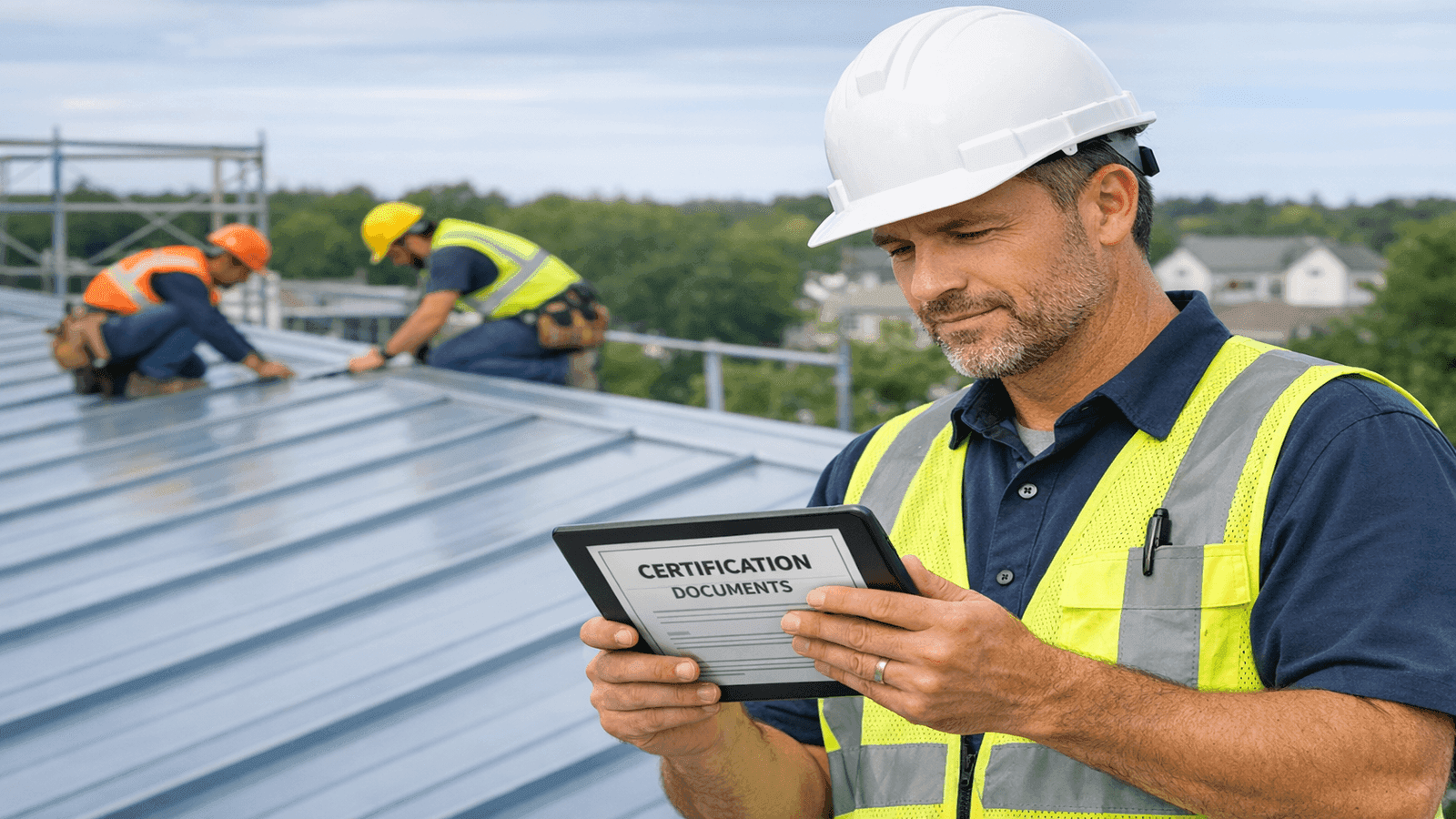
Work with a licensed roofing contractor who has demonstrated tile installation experience. Request the structural engineer report before signing a contract. Plan the underlayment replacement at the 20-25 year mark. Follow those three principles and tile roofing delivers exactly what its advocates promise: a roof that you install once.
Disclaimer: Cost figures in this article reflect national averages and data from NearbyHunt's network of licensed roofing contractors as of March 2026. Actual project costs vary based on your location, home size, structural condition, tile selection, and contractor pricing. Always obtain at least three written quotes from licensed roofing contractors before committing to a project. Verify contractor licensing and insurance through your state licensing board. This article is for informational purposes only and does not constitute professional engineering or contracting advice.
Sources & References
[1] This Old House. "How Much Does a Tile Roof Cost?
[2] Fixr.com. "Tile Roof Installation Cost Guide.
[3] Today's Homeowner. "How Much Does Tile Roofing Cost
[4] NRCIA. "What Is the Average Tile Roof Replacement Cost

James is a licensed roofing contractor with 20 years of experience in roof installation, inspection, and repair across the U.S. South and Midwest. He specialises in asphalt shingles, metal roofing, and storm damage restoration. On NearbyHunt, James offers practical advice on roof maintenance, insurance claims, and selecting the right materials for long-lasting protection.

Jacob is a licensed roofing contractor with over 18 years of experience in roof inspection, installation, and restoration. Based in Texas, he has led hundreds of successful roofing projects across residential and commercial properties. Jacob is also a certified storm damage specialist, ensuring that all NearbyHunt roofing content meets industry best practices and safety standards.