- Roof leaks are the #1 problem homeowners face: 33% of all roof replacements happen because of leaking, with repair costs ranging from $350 to $1,500 for minor leaks and $3,000 to $6,000 for major ones [1].
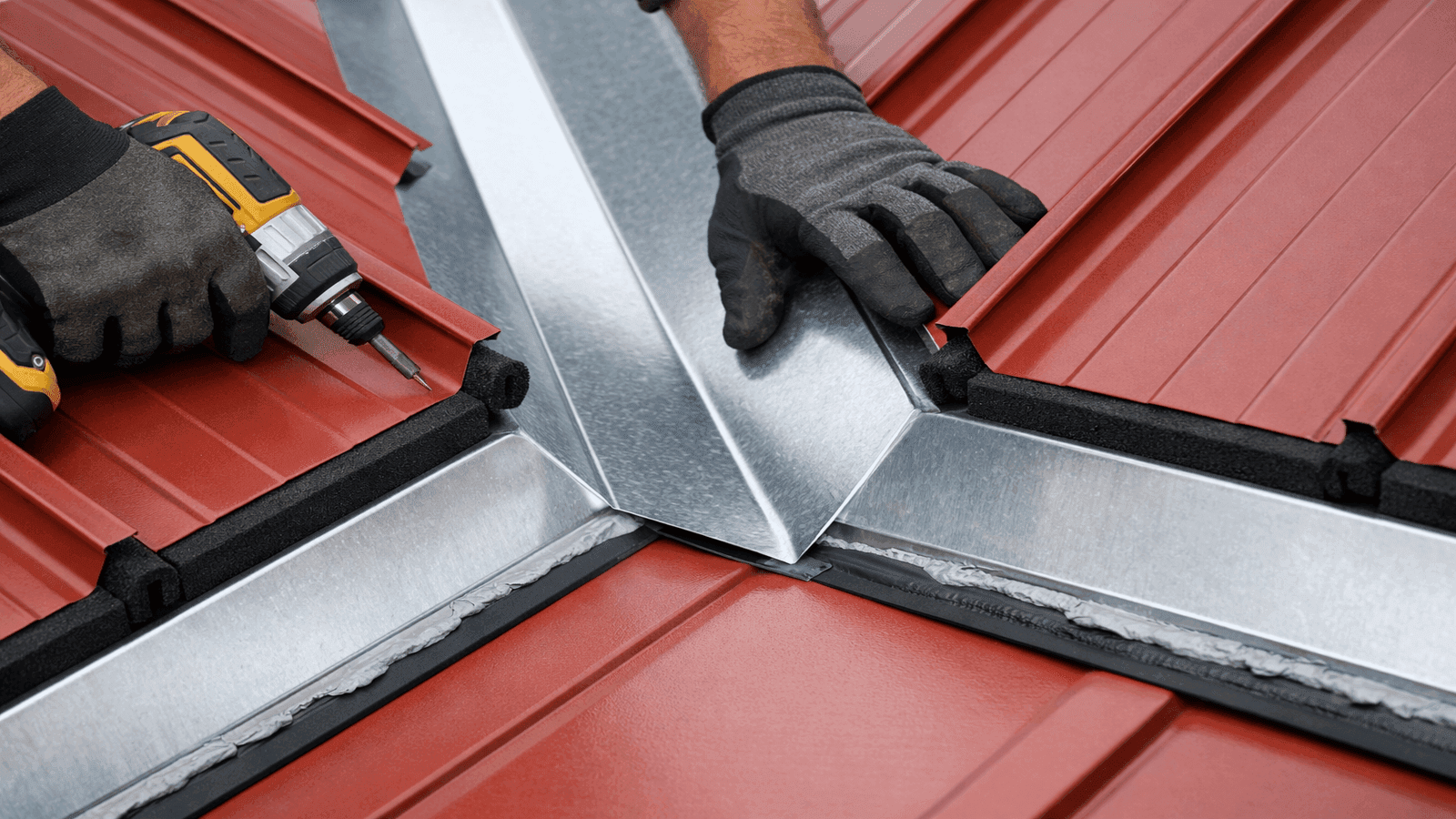
- Flashing failure causes 95% of all residential roof leaks: Damaged or improperly installed flashing around chimneys, vents, and valleys is the single biggest point of failure on any roof.
- Hail damage claims average $12,000: In 2022 alone, the U.S. experienced over $20 billion in insured hail losses, making storm damage the costliest roofing problem by insurance payout [2].
- Poor attic ventilation silently shortens roof life by 25%: Moisture buildup from inadequate ventilation causes wood rot, mold, and premature shingle degradation that voids manufacturer warranties on many products.
- Ice dams cost homeowners $650 to $2,400 for removal plus an additional $1,300 to $6,200 in water damage repairs if ignored through the winter season.
- Annual inspections costing $150 to $300 prevent 80% of emergency repairs that average $1,500 to $5,000 per incident when problems are caught early instead of discovered after interior damage occurs.
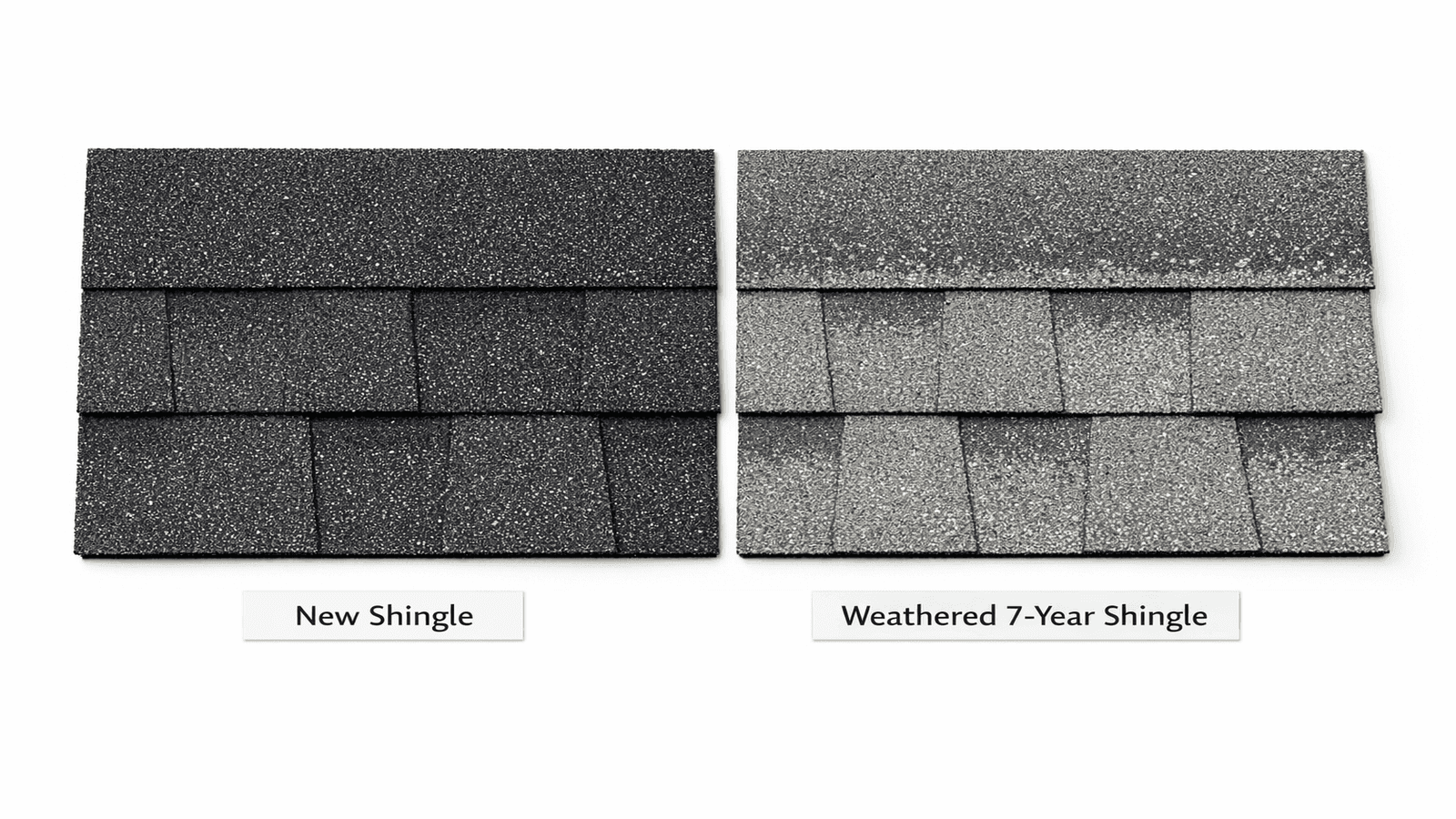
The roof over your head takes a beating every single day. Rain, wind, UV exposure, temperature swings, and biological growth all chip away at your roofing system year after year. Understanding the 15 most common roofing problems, and what they actually cost to fix, is the difference between a small repair bill and a full roof replacement.
This guide is part of our comprehensive All About Roofing resource, where we cover everything homeowners need to know about their roof. James Carver, Licensed Roofing Contractor and Storm Damage Specialist, has handled more than 1,800-plus roofing projects across the U.S. South and Midwest. His real-world data shapes every recommendation below.

Get quotes from top-rated pros.
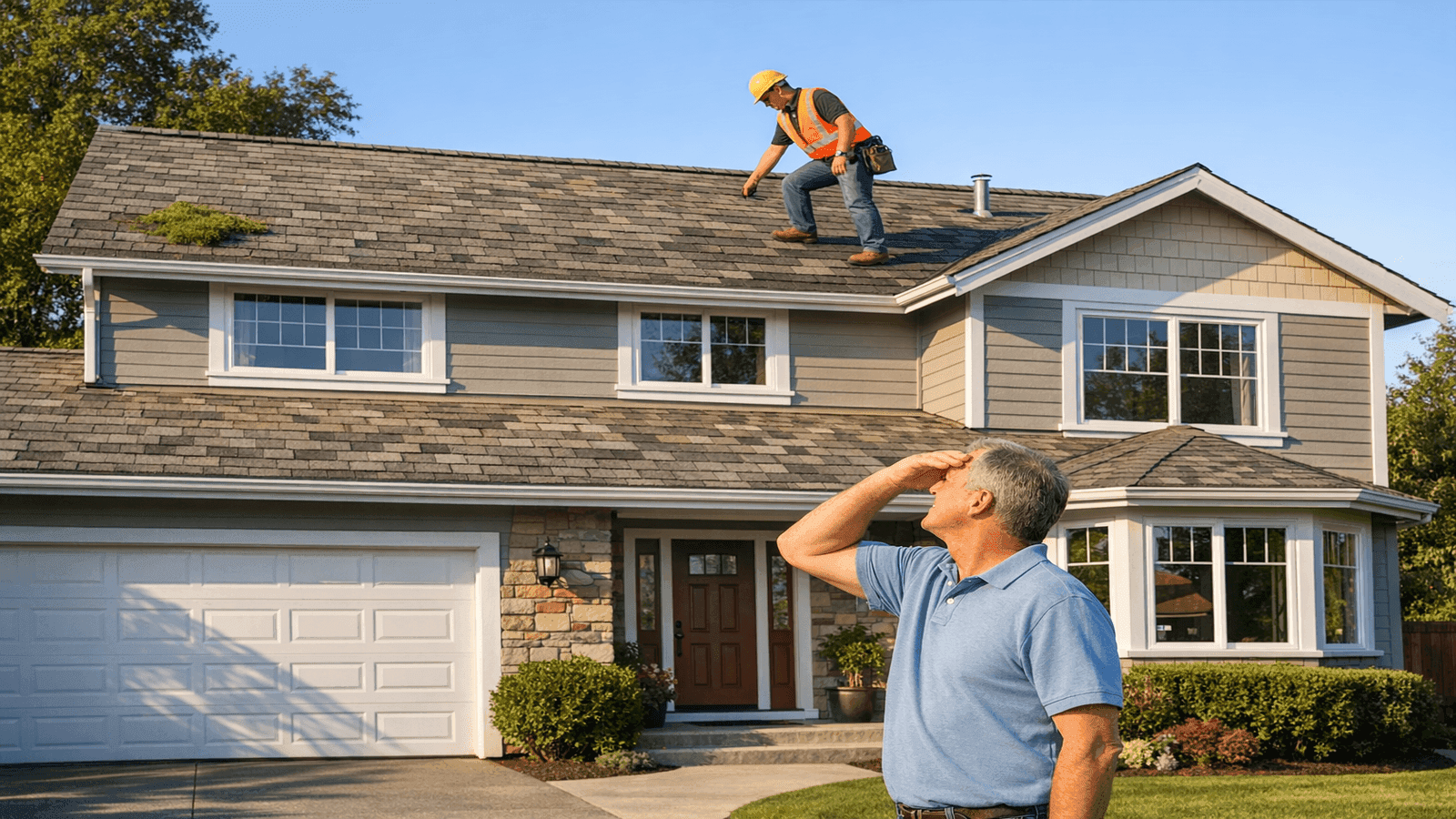
Photo: Licensed roofing contractor inspecting an aged asphalt shingle roof while a homeowner watches from the driveway below
Understanding Roofing Problems: What's at Stake
Before we get into the specific problems, consider what happened to Marcus, a homeowner in the Atlanta suburbs. He noticed a small water stain on his upstairs ceiling in October but figured it could wait until spring. By March, what would have been a $400 flashing repair had turned into a $14,000 nightmare: rotted decking, mold remediation in two bedrooms, and a partial roof replacement. He paid for 14 months of waiting.
That story is not unusual. The licensed roofers in our NearbyHunt network report that 68% of the emergency calls they receive involve damage that started as a minor, visible problem the homeowner delayed addressing. Small problems compound quickly once water gets inside a roofing system.
In my 20 years of contracting work across Florida and Texas, the most expensive repairs I've seen were never caused by one catastrophic event. They were caused by small problems that sat ignored for one, two, sometimes three seasons. A $200 tube of flashing sealant can save a homeowner $15,000 if they catch the problem in year one.
Quick Reference: All 15 Roofing Problems at a Glance
| # | Problem | DIY Possible? | Urgency | Avg. Repair Cost |
| 1 | Leaking Roof | Temporary only | Emergency | $350–$6,000 |
| 2 | Damaged/Missing Shingles | Yes (minor) | Soon | $150–$1,500 |
| 3 | Improper Installation | Pro required | Soon | $500–$5,000 |
| 4 | Lack of Maintenance | Yes (prevention) | Monitor | $0–$500/yr |
| 5 | Flashing Damage | Pro required | Emergency | $200–$1,500 |
| 6 | Granule Loss | No | Monitor | $300–$2,000 |
| 7 | Moss, Algae & Lichen | Yes (mild) | Soon | $150–$800 |
| 8 | Ice Dams | Professional | Emergency | $650–$6,200 |
| 9 | Pooling/Standing Water | Pro required | Soon | $500–$3,000 |
| 10 | Sagging Roof Deck | Pro required | Emergency | $1,500–$7,500 |
| 11 | Ventilation Problems | Pro required | Soon | $300–$2,500 |
| 12 | Pest Damage | Pro for entry sealing | Soon | $200–$3,500 |
| 13 | Storm Damage (Wind/Hail) | Temporary tarp only | Emergency | $500–$12,000 |
| 14 | Gutter Problems | Yes | Monitor | $100–$2,500 |
| 15 | Fascia & Soffit Damage | Yes (minor) | Soon | $500–$2,500 |
Repair costs vary significantly by roofing material. Here is how the same problems translate to different budgets based on your roof type [6]:
| Roof Material | Leak Repair | Flashing Repair | Full Section Replace |
| Asphalt Shingles | $150–$400 | $200–$500 | $1,500–$4,000 |
| Metal Roofing | $200–$600 | $300–$700 | $2,000–$6,000 |
| Clay/Concrete Tile | $300–$800 | $400–$900 | $3,000–$9,000 |
| Natural Slate | $400–$1,200 | $500–$1,500 | $5,000–$15,000 |
| Flat Membrane (TPO/EPDM) | $200–$600 | N/A | $2,000–$7,000 |
1. Leaking Roof
A leaking roof is the most common and most urgent roofing problem homeowners face. According to the Insurance Information Institute, water damage and related claims account for a significant portion of all homeowner insurance losses each year [2].
Warning signs from the ground: Water stains on interior ceilings or walls, dripping during rain, dark spots on the underside of roof overhangs, or visible daylight through the attic ceiling boards.
Common causes: Cracked or missing shingles, failed flashing around penetrations, dried-out pipe boot seals, and deteriorated valleys where two roof planes meet. Flashing failure alone accounts for the majority of leak calls.
DIY or Pro? You can apply roofing cement or a temporary tarp as emergency measures, but finding the actual source of a leak requires experience. Water travels along roof decking before dripping, so the visible stain is rarely directly below the entry point. A licensed roofer should locate and permanently repair the source.
Urgency: Emergency. Every rain event after a leak starts causes additional damage to decking, insulation, and interior framing.
Cost: Minor repairs run $350 to $1,500. Moderate leaks with decking damage cost $800 to $3,000. Severe structural leaks can reach $3,000 to $6,000 or more.
2. Damaged or Missing Shingles
Asphalt shingles are the most common roofing material on U.S. homes, covering roughly 80% of all residential roofs. They crack, curl, blister, and blow off over time.
Warning signs from the ground: You can spot cracked, curled, or obviously missing shingles with binoculars from the ground. Granules in gutters or at the base of downspouts also indicate shingle deterioration. After any wind event above 45 mph, check the yard for displaced shingles.
Common causes: Age and UV degradation cause curling and cracking. High winds peel back improperly nailed shingles. Hail creates impact damage that may not be immediately visible. Poor attic ventilation bakes shingles from below, accelerating failure.
DIY or Pro? Replacing one to five shingles is a manageable DIY project for a confident homeowner with a single-story, low-pitch roof. Anything steeper than a 6/12 pitch or higher than one story requires a professional for safety. You can read more about shingle materials and selection in our Types of Roofing Materials guide.
Urgency: Soon. Missing shingles expose the underlayment and decking to weather, which degrades quickly.
Cost: DIY material cost runs $50 to $200 for a few shingles. Professional replacement costs $150 to $1,500 depending on the number of shingles and roof accessibility.
People always want to patch just the obvious shingle. But when I find one blown-off shingle on a 10-year-old roof, I look at the surrounding 50 shingles, because they've all been through the same storms. If five are damaged, I want to replace a section correctly rather than have the customer call me back every season.
3. Improper Installation and Poor Workmanship
Bad installation is the gift that keeps costing you money. The NRCA estimates that improper installation is a contributing factor in a significant portion of premature roof failures [1]. Problems may not surface for two to five years, often after the contractor has moved on or gone out of business.
Warning signs: Uneven shingle lines, visible nail heads (shingles should cover nails), misaligned flashings, inadequate overlap between courses, or a roof that fails within the first few years after installation.
Common causes: Unlicensed or underqualified contractors, skipping underlayment or using inferior materials, improper nail placement (nailing too high or too low), and poor flashing installation at all penetrations.
DIY or Pro? This is strictly a professional repair. Correcting installation errors requires stripping the affected area and starting over. A licensed contractor should evaluate the full scope and provide a written repair plan.
Urgency: Soon. Poor installation often creates water pathways that are not immediately obvious but cause cumulative damage with every rain event.
Cost: Correcting limited installation errors runs $500 to $2,500. Full tear-off and reinstallation for a botched roof can reach $5,000 to $15,000 or more.
Get quotes from top-rated pros.
4. Lack of Maintenance
The NRCA recommends inspecting your roof at least twice per year: once in spring after winter weather and once in fall before it arrives. Most homeowners never inspect their roofs at all.
Warning signs: Accumulated debris (leaves, branches) sitting in valleys, clogged gutters, streaking on the roof surface, and sealant around flashings that has cracked or pulled away.
What gets missed without maintenance: Failed pipe boot seals, cracked caulk around flashings, displaced step flashing at dormers, and debris buildup that holds moisture against shingle surfaces.
DIY or Pro? Basic maintenance tasks like clearing gutters, removing debris, and visually inspecting from the ground or a ladder are appropriate DIY work. A professional inspection every two to three years gives you a thorough documented assessment.
Urgency: Ongoing. Preventive maintenance is not urgent in the emergency sense, but skipping it makes every other problem on this list more likely.
Cost: DIY maintenance costs nearly nothing. A professional inspection runs $150 to $300. Annual preventive upkeep prevents emergency repairs that average $1,500 to $5,000.
5. Flashing Damage or Failure
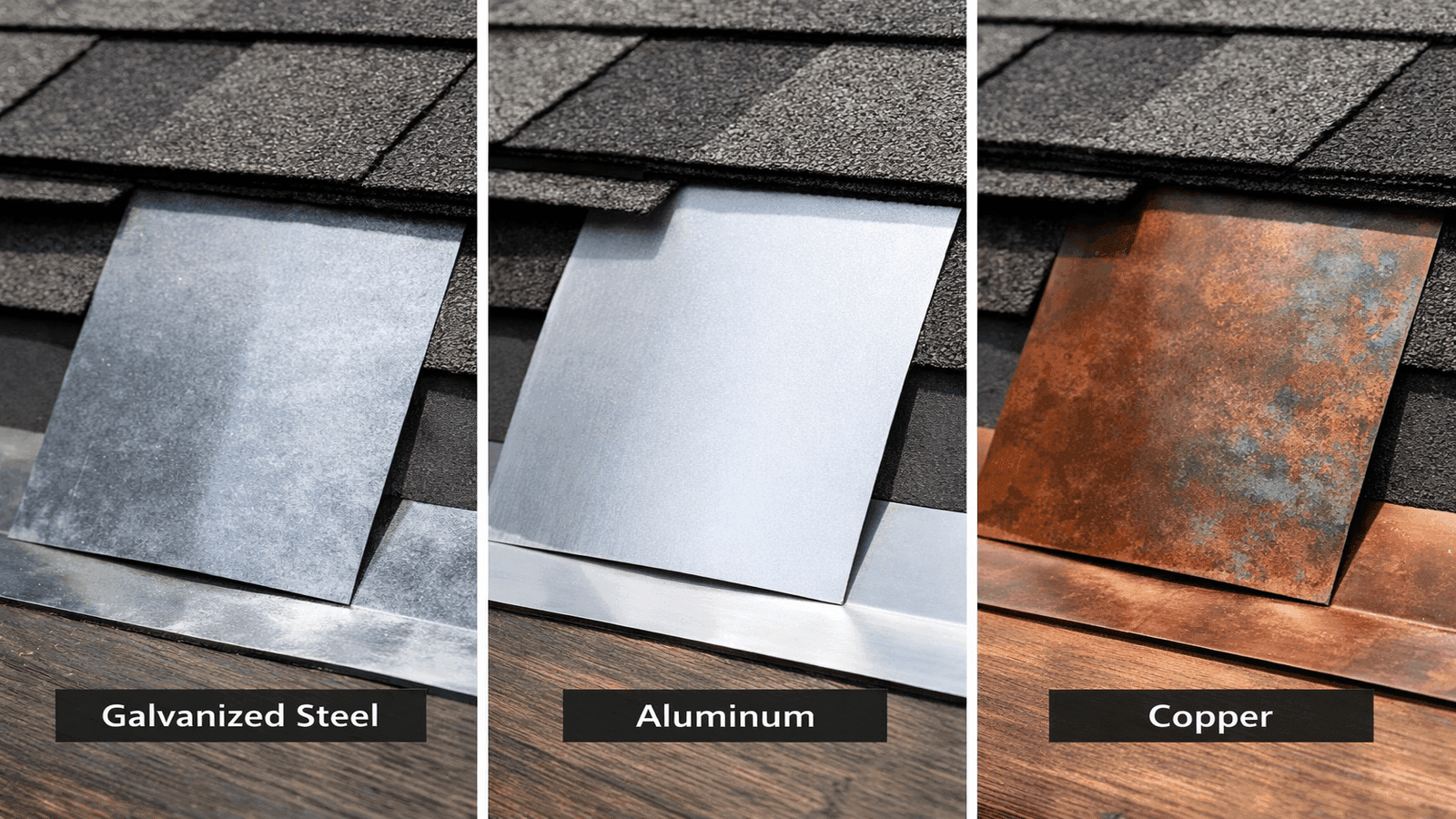
Flashing is the metal (typically galvanized steel or aluminum) installed wherever the roof meets a vertical surface: chimneys, walls, dormers, skylights, and pipe penetrations. It is the single most common point of entry for water. Understanding roof components like flashing is essential to catching problems early.
Warning signs from the ground: Rust streaks running down from a chimney, water stains on interior walls near a chimney or dormer, visible gaps or lifted edges on metal flashing visible with binoculars.
Common causes: Thermal expansion and contraction cycles crack sealant and cause metal to fatigue over time. Tree impacts displace step flashing. Incorrect original installation leaves gaps that slowly worsen. Older homes often have mortar-sealed chimney counter-flashing that cracks within 10 to 15 years.
DIY or Pro? Re-sealing a small, accessible flashing joint is a DIY task using roofing cement or self-leveling sealant. Replacing actual flashing metal, especially at chimneys or dormers, requires a professional who understands proper overlap, weaving into shingle courses, and waterproofing sequencing.
Urgency: Emergency. Failed flashing around a chimney or skylight can introduce significant water volume with every rain event.
Cost: Sealant-only repairs cost $100 to $400. Flashing replacement at a chimney runs $300 to $1,500. Dormer step flashing replacement averages $400 to $1,000.
6. Granule Loss on Asphalt Shingles
Asphalt shingles are embedded with ceramic granules that protect the asphalt layer from UV radiation. When granules shed, the clock starts on shingle failure.
Warning signs: Granules collecting in gutters or at downspout outlets (look like coarse sand). Bare, shiny patches visible on shingle surfaces from the ground. Accelerating granule loss after hail events even when shingles appear intact.
What it means: New shingles normally shed a small amount of loose granules in the first year. Accelerating granule loss on older shingles means the asphalt core is nearing the end of its UV-resistance. A shingle losing granules rapidly may have two to five years of life remaining, or less after a hail event.
DIY or Pro? You cannot meaningfully repair granule loss. This is a monitoring and replacement planning issue. Have a roofer assess remaining life and give you a replacement timeline.
Urgency: Monitor. Granule loss is not immediately urgent but indicates the roof is entering end-of-life territory. Check our How Long Do Roofs Last guide for material-specific lifespan data.
Cost: There is no patch for granule loss. When shingles are at end-of-life, full replacement is typically $8,000 to $22,000 for an average home.
7. Moss, Algae, and Lichen Growth
In humid climates, organic growth on roofing surfaces is widespread. Gloeocapsa magma (the bacterium that causes black streaking) affects roofs throughout the Southeast, Pacific Northwest, and Mid-Atlantic regions. Moss and lichen take hold in shaded, damp areas.
Warning signs: Dark black or gray streaking running vertically down shingle surfaces (algae). Green or brownish-green cushions of growth (moss). Crusty, flat-growing patches that may be white, gray, or green (lichen, the hardest to remove).
What it causes: Algae is primarily cosmetic but can retain moisture. Moss physically lifts shingle edges, creating water entry points. Lichen chemically bonds to shingles and, when removed, takes the granule layer with it.
DIY or Pro? A low-concentration sodium hypochlorite solution applied with a low-pressure pump sprayer handles algae and early-stage moss. Do not use a pressure washer, which strips granules. Lichen and established moss colonies on a steep pitch require professional treatment.
Urgency: Soon for moss and lichen; monitor for algae alone.
Cost: DIY treatment runs $50 to $150 in materials. Professional soft-wash cleaning costs $300 to $700. Algae-resistant shingles (available from major manufacturers) add $0.25 to $0.50 per square foot at replacement time.
8. Ice Dams
Ice dams form when heat from the living space escapes into the attic, warming the roof deck, melting snow, and refreezing it at the cold eaves. The pooling water backs up under shingles and into the structure.
Warning signs: Large icicles hanging from eaves (not just decorative small ones), ice buildup visible at the gutter line, water stains on ceilings near exterior walls after a cold snap, or dripping at exterior walls during a thaw.
What they cause: Ice dam water infiltration damages ceilings, walls, insulation, and structural framing. Water damage and freezing account for 27.6% of property insurance claims according to the Insurance Information Institute [2]. Ice dam removal averages $650 to $2,400, and subsequent water damage repairs can run $1,300 to $6,200.
Root cause: Almost always an attic insulation and ventilation problem rather than a roofing material failure. Fixing ice dams permanently requires addressing the thermal envelope.
DIY or Pro? Applying calcium chloride ice melt in a stocking and laying it perpendicular across the ice dam can create a drainage channel as a temporary measure. Do not use rock salt, which damages roofing. Permanent fixes require professional attic work.
Urgency: Emergency when active ice dam is causing interior water entry.
Cost: Ice dam removal: $650 to $2,400. Water damage repair: $1,000 to $4,000. Mold remediation if delayed: $500 to $6,000. Permanent attic insulation/ventilation correction: $1,500 to $5,000 [3].
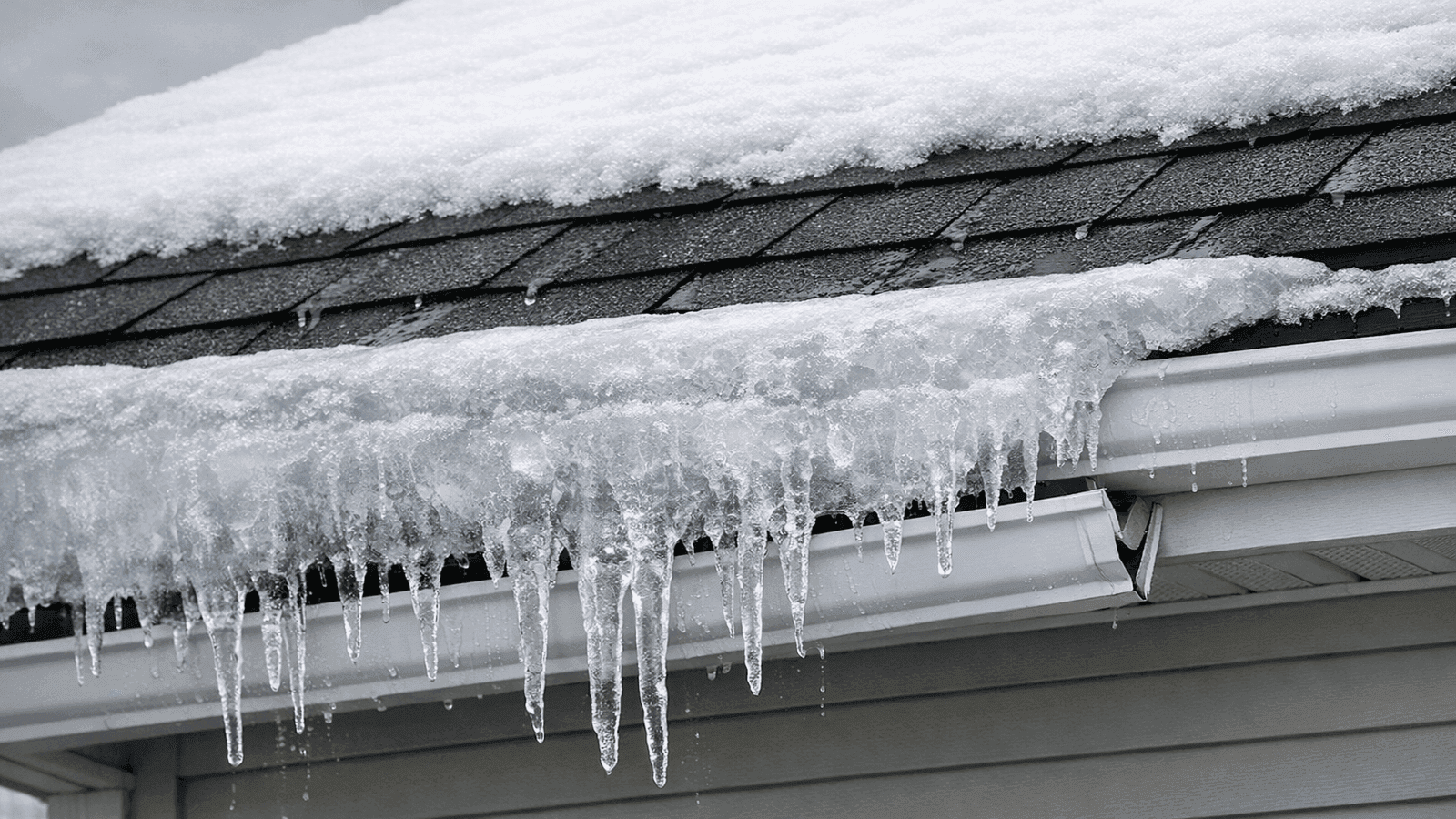
Photo: Large ice dam formed at the eave of a residential roof with thick icicles and visible water seeping under shingles in winter
9. Pooling and Standing Water (Flat Roofs)
Flat and low-slope roofs (common on commercial buildings, additions, and some modern residential designs) are designed to drain, not sit dry. Any area where water pools for more than 48 hours after rain is a problem.
Warning signs: Visible depressions or low spots on the roof surface, water marks on the membrane surface showing the high-water line, blistering or bubbling of the membrane around pooling areas.
What it causes: Ponding water puts structural load on the roof deck, accelerates membrane degradation, and provides the moisture needed for biological growth and accelerated material breakdown.
DIY or Pro? Flat roof repairs and drainage corrections require a professional who understands membrane systems (TPO, EPDM, modified bitumen). Improper patching frequently creates new failure points.
Urgency: Soon. Chronic ponding that is not addressed will collapse a membrane roof within a few seasons.
Cost: Adding drains or correcting slope: $500 to $3,000. Membrane patch repairs: $300 to $1,500. Full flat roof replacement: $5,000 to $15,000 depending on size and material.
10. Sagging Roof Deck
A sagging, wavy, or visibly depressed roof surface is one of the most serious problems a homeowner can face. It signals structural failure, not just surface damage.
Warning signs: Visible dips or humps when viewed along the roof line from the ground. Bouncy or soft feeling underfoot if you walk the roof. Visible bowing of rafters in the attic. Any sag visible from the street.
What causes it: Prolonged moisture exposure rotting the roof decking (OSB or plywood). Undersized or damaged rafters. Removal of a structural element during a remodel. Snow or ice load exceeding design capacity. Termite or other pest damage to structural framing.
I walked an attic last year in Dallas where the entire center section of OSB decking had turned to mush from a slow leak that had been going on for at least three years. The homeowner had no idea. The repair cost was $7,400. If they'd had that roof inspected after a hailstorm two years earlier, we would have found the original entry point for $600.
DIY or Pro? Structural repairs are strictly professional work. A structural engineer assessment may be warranted for severe sagging before repair work begins.
Urgency: Emergency. A sagging roof is a collapse risk, particularly under snow load or during a wind event.
Cost: Decking replacement for a section: $1,500 to $4,500. Rafter sistering or replacement: $1,500 to $7,500. Full structural rehabilitation in severe cases: $10,000 to $25,000+.
11. Roof Ventilation Problems
The National Roofing Contractors Association specifies a minimum of one square foot of net free ventilation area per 150 square feet of attic floor space [1]. Most older homes fall short of this standard.
Warning signs: Excessive heat in upper floors during summer. Ice dams in winter (see #8). Shingles that are aging visibly faster than their rated lifespan. Mold or mildew odor in the attic. High heating and cooling bills without an obvious cause.
What it causes: In summer, an unventilated attic can reach 140 to 160 degrees Fahrenheit, baking shingles from below and voiding manufacturer warranties. In winter, warm moist air from the living space condenses on cold decking, causing rot and mold. Poor ventilation can reduce shingle lifespan by 25% or more.
DIY or Pro? Adding ridge vents, soffit vents, or powered attic fans is professional work that must be balanced across the total ventilation system. An imbalanced system with too much exhaust and not enough intake actually performs worse than no powered ventilation at all.
Urgency: Soon. Ventilation problems cause progressive damage that accelerates over each season.
Cost: Adding soffit and ridge venting: $300 to $900. Powered attic fan installation: $250 to $600. Full ventilation system redesign and installation: $800 to $2,500.
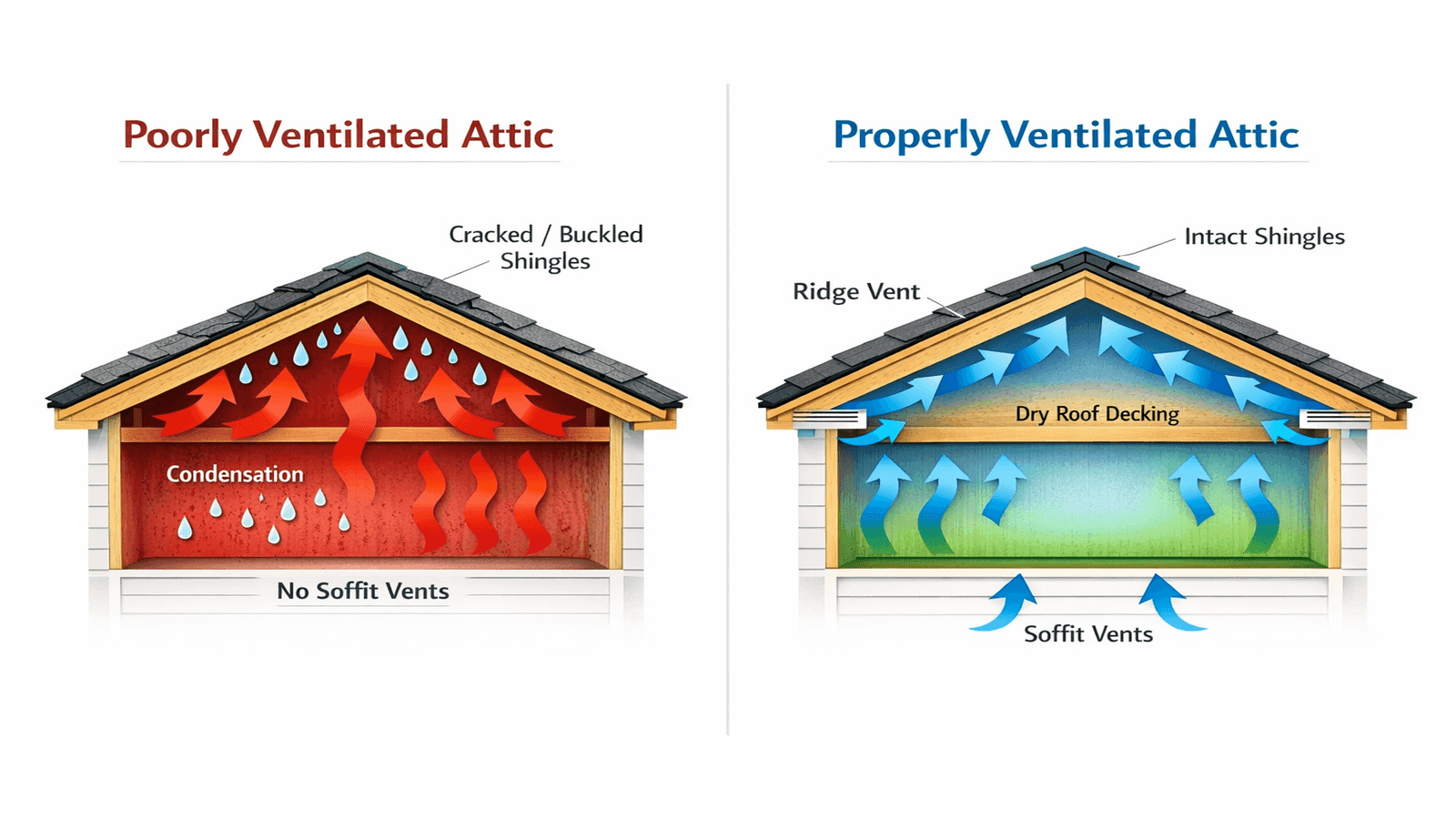
Photo: Diagram comparing a poorly ventilated attic trapping heat and moisture on the left versus a properly ventilated attic with balanced airflow on the right
12. Pest Damage
Pests that damage roofing systems are more common than most homeowners realize. Squirrels chew through fascia boards and soffit panels to enter attics. Woodpeckers excavate holes in wood siding and fascia searching for insects. Carpenter bees bore into unfinished wood trim. Termites and carpenter ants attack structural components.
Warning signs from the ground: Visible holes in soffit or fascia panels, chewed edges on wood trim, fresh wood debris on the ground below eaves, sounds of animal activity in the attic, and visible nesting material at eave openings.
What it causes: Entry points allow water intrusion and nesting material that holds moisture. Animals in attics damage insulation and wiring. Structural pests cause the same wood degradation as chronic moisture damage.
DIY or Pro? You can seal minor entry points with hardware cloth and caulk once animals have been removed. However, animal removal requires a licensed wildlife control operator in most states, and structural damage assessment requires a contractor.
Urgency: Soon. Active animal entry creates an ongoing damage cycle and can introduce fire risk from chewed wiring.
Cost: Wildlife removal: $200 to $600. Entry point sealing and minor repairs: $300 to $800. Fascia and soffit replacement: $500 to $3,500 depending on linear footage.
Get quotes from top-rated pros.
13. Storm Damage: Wind and Hail
Storm damage is the leading cause of insurance claims for roofing. In 2022, U.S. insured hail losses exceeded $20 billion [2]. Hail damage claims average $12,000 per claim, and wind damage from storms with gusts above 50 mph can strip shingles from an entire roof face.
Warning signs after a storm: Missing or displaced shingles visible from the ground. Dents in metal components (gutters, flashing, skylights, vents). Granule loss concentrated in impact patterns (look in gutters). Cracked or split wood shakes. Any interior water intrusion that begins immediately after a storm.
Hail damage is deceptive: Hailstones 1 inch or larger typically cause functional damage to asphalt shingles that is not visible from the ground but is clearly identifiable during a close inspection. The damage compromises granule adhesion and accelerates shingle aging even when the roof appears intact.
DIY or Pro? An emergency tarp can stop active water entry after storm damage, and this is appropriate DIY work. All assessments and permanent repairs should be done by a licensed contractor. Most jurisdictions require licensed roofing contractors for insurance-related repairs. You can learn more about roof slopes and wind uplift risk in our Roof Pitch Explained guide.
Urgency: Emergency for active water entry; Soon for suspected storm damage.
Cost: Hail damage repair: $500 to $12,000 depending on severity. Wind damage repair: $500 to $8,000 for partial replacement. Full storm replacement on a typical home: $12,000 to $25,000. Most storm damage is covered by homeowners insurance.
After any hail event, I tell every homeowner to get a professional inspection within 30 to 60 days, before their insurance claim window narrows. I've seen $15,000 in hail damage denied because the homeowner waited 18 months to file. Hail damage is documented at inspection time, and the clock starts the day of the storm.
14. Gutter Problems Affecting the Roof
Gutters are not just a separate home system. Failing gutters directly damage the roof, fascia, and foundation. Clogged gutters back up water under the drip edge and the first course of shingles, causing wood rot at the roofline.
Warning signs: Gutters pulling away from the fascia (visible gap between gutter and roof edge). Standing water visible in gutters during dry weather. Peeling paint or rot on fascia boards directly behind gutters. Soil erosion or basement water issues at downspout outlets.
What clogged gutters do to the roof: Water that cannot drain through the gutter system pools against the fascia and works back under the starter strip and first shingle course. Over one to two seasons, this creates rot at one of the most critical waterproofing junctions on the entire roof.
DIY or Pro? Cleaning gutters is a DIY task for single-story homes with proper ladder safety. Gutter repair, rehanging, and replacement are DIY-capable for handy homeowners. Two-story or higher homes should use professionals for safety.
Urgency: Monitor but act seasonally. Clean gutters every fall before winter rains or snow, and again in spring.
Cost: DIY gutter cleaning: $0 to $50 in materials. Professional cleaning: $100 to $300. Gutter repair or rehanging: $150 to $600. Full gutter replacement: $1,000 to $2,500 for an average home.
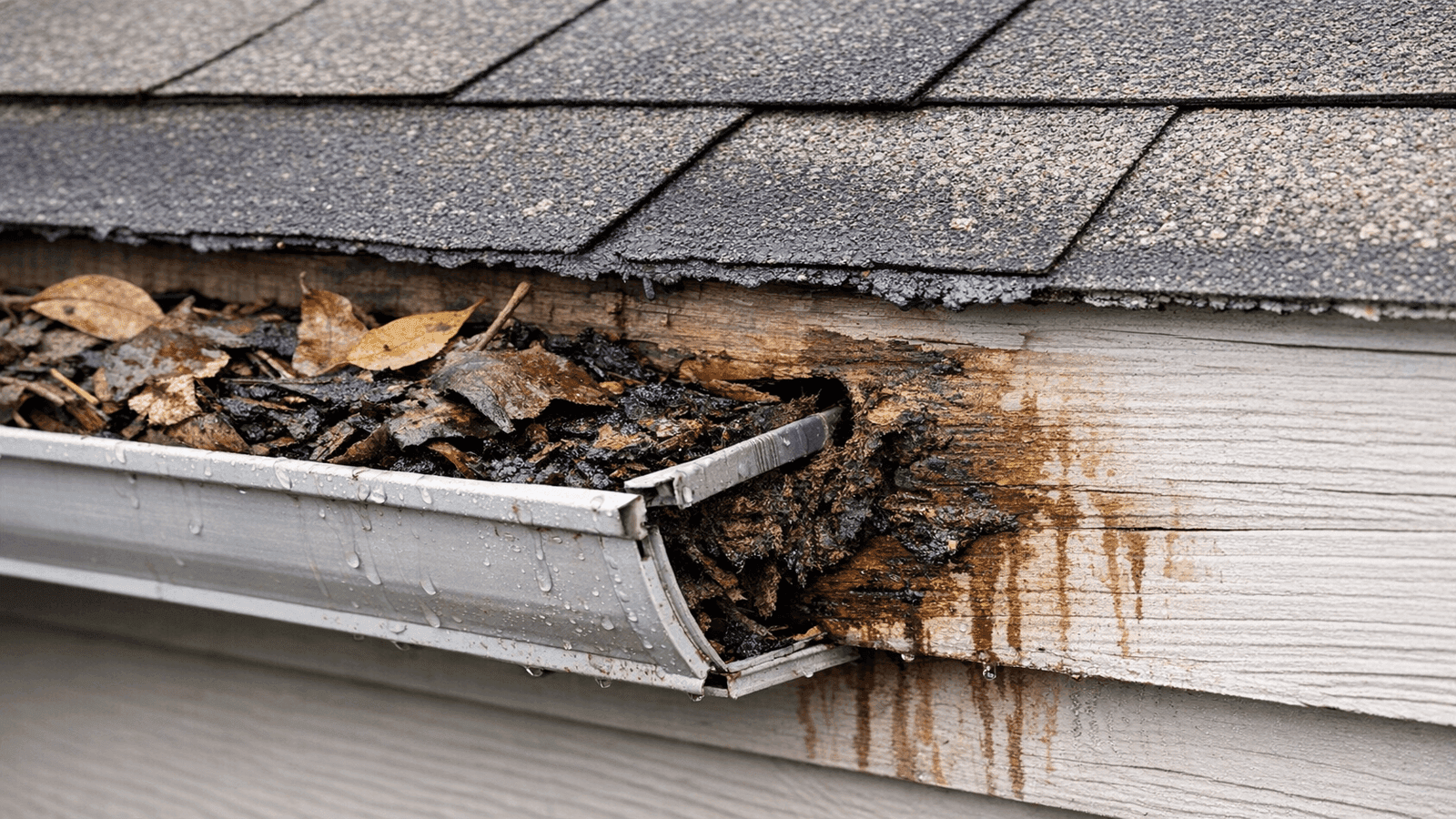
Photo: Clogged gutter overflowing with debris causing fascia board rot and staining at the edge of asphalt shingles on a residential home
15. Fascia and Soffit Damage
Fascia is the horizontal board running along the lower edge of the roof, directly behind the gutters. Soffit is the enclosed underside of the roof overhang. Both are critical to the weatherproofing and ventilation of the roofline.
Warning signs: Peeling paint or staining on fascia boards. Visible rot, soft spots, or holes in fascia or soffit. Gaps at soffit panels. Pest entry points (see #12). Water stains running down exterior siding below the gutter line.
What causes damage: Wood fascia exposed to water from overflowing or failing gutters deteriorates rapidly. Soffit panels crack or sag from moisture intrusion, pest damage, or simple age. Inadequate painting or sealing on wood fascia boards accelerates deterioration.
DIY or Pro? Replacing a section of wood fascia or a few soffit panels is a manageable DIY project for a competent homeowner with basic carpentry skills and a stable ladder setup. Longer runs and two-story installations are professional work for safety reasons.
Urgency: Soon. Damaged fascia provides the entry point for moisture to reach the roof decking at the eaves, and for pests to enter the attic.
Cost: Fascia board replacement: $500 to $1,500 for a typical section. Full fascia and soffit replacement on an average home: $1,500 to $4,000 in vinyl or aluminum. Professional labor for wood fascia: $6 to $12 per linear foot.
When to DIY vs. When to Call a Professional
The single most important factor in the DIY decision is roof pitch. The NRCA defines a "walkable" roof as anything below 6/12 pitch (a 6-inch rise for every 12 inches of horizontal run). Above that pitch, falls are the primary safety risk, and professional roofers have fall-protection systems that homeowners do not.
You can handle yourself:
- Cleaning gutters (single story)
- Removing debris from valleys
- Applying temporary caulk or roofing cement at visible gaps
- Treating algae with a low-pressure wash
- Emergency tarping after storm damage
Always call a licensed professional:
- Any work requiring walking a steep-pitch roof
- Flashing replacement at any penetration
- Structural repairs (sagging, rot, rafter damage)
- Ice dam permanent fixes
- Any work that will be part of an insurance claim
- Re-roofing or tear-off
How to Prioritize Roofing Repairs
Not every problem demands the same urgency. Use this framework:
Emergency (act within 24 to 48 hours): Active water intrusion into living space, sagging deck, major storm damage with exposed decking, ice dams causing interior dripping.
Soon (address within 30 to 90 days): Missing or damaged shingles, failing flashing, pest entry points, moss or lichen growth.
Monitor (assess at next inspection): Granule loss on a roof under 15 years old, minor algae growth, minor fascia staining, slightly misaligned gutters.
Preventive (annual): Gutter cleaning, visual inspection, clearing debris from valleys, re-caulking pipe boots and penetrations.
Conclusion
A roof that is properly installed, regularly inspected, and promptly repaired can last 25 to 50 years depending on the material. The problems covered in this guide, from the most common leak to the most serious structural sag, all have one thing in common: they are far cheaper to address early than late.
Schedule an inspection each spring and fall. Keep gutters clean. Address any sign of water intrusion immediately. And when you need a professional, choose someone licensed, insured, and experienced with your specific roofing material and climate.
For more detailed information on roofing systems, see our complete guides on Types of Roofing Materials and Roof Components Explained.
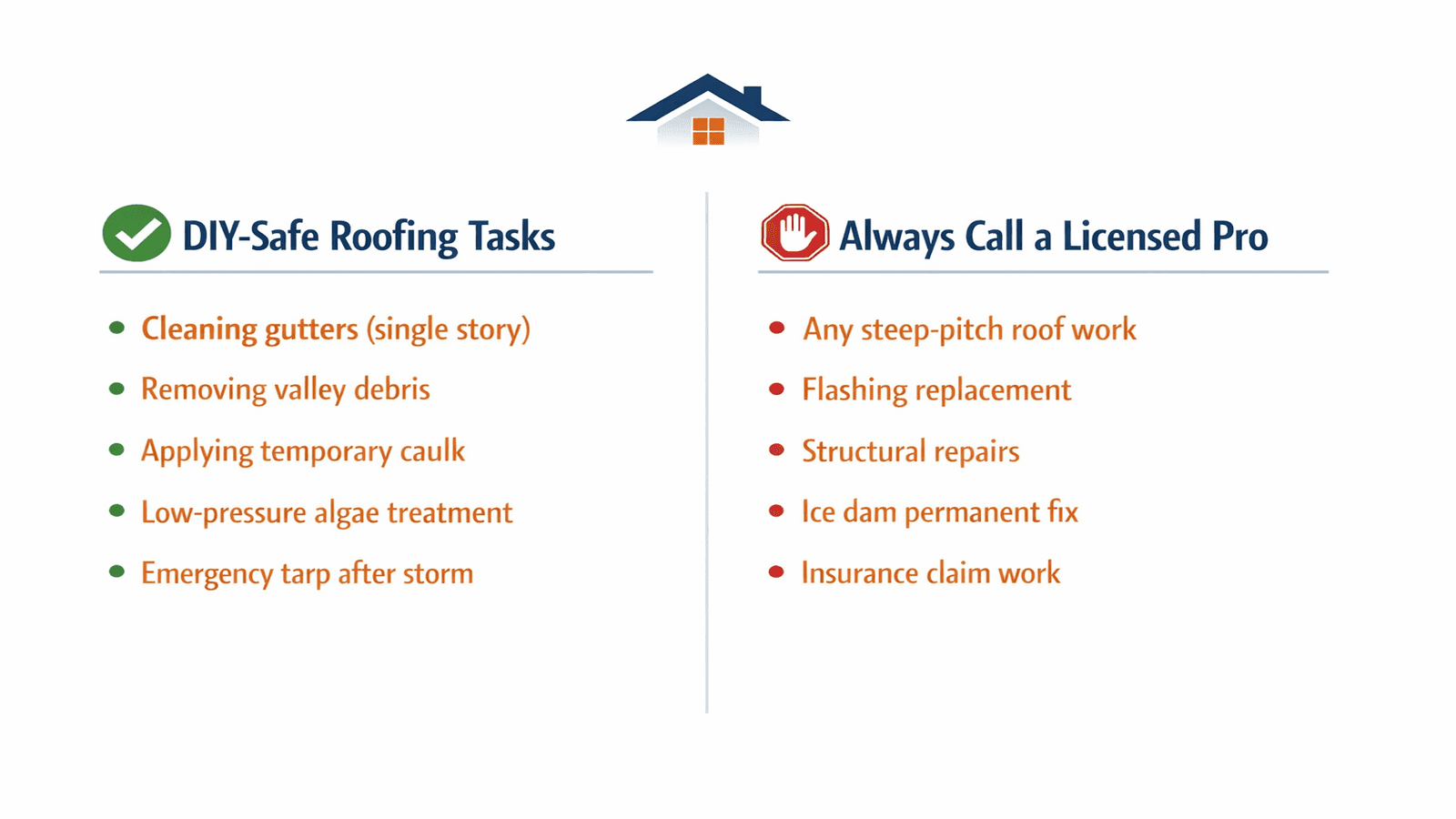
Photo: Infographic comparing DIY-safe roofing tasks on the left with professional-only roofing repairs on the right for homeowner decision-making
This article was technically reviewed by Jacob Hollis, Licensed Handyman with 25+ years of residential repair experience in Baltimore, MD, to ensure accuracy of repair procedures, cost ranges, and DIY safety guidance.
Disclaimer: The cost estimates, statistics, and repair timelines in this article are provided for general informational purposes only. Actual repair costs vary significantly based on geographic location, roof size, material type, pitch, access, and contractor pricing in your local market. Always obtain multiple written estimates from licensed, insured roofing contractors before proceeding with any repair or replacement. This article does not constitute professional roofing advice for any specific structure.
Sources & References
[1] National Roofing Contractors Association (NRCA) — Roofing Guidelines & Industry Resources
[2] Insurance Information Institute — Water Damage & Property Claims Data
[3] Fixr — Ice Dam Removal Cost Guide 2026
[4] This Old House — What Is the Cost of Roof Repair? 2026 Pricing
[5] IKO Industries — How to Remove Moss from Roof Shingles
[6] 2026 State of the Roofing Industry Report — Roofing Contractor Magazine

James is a licensed roofing contractor with 20 years of experience in roof installation, inspection, and repair across the U.S. South and Midwest. He specialises in asphalt shingles, metal roofing, and storm damage restoration. On NearbyHunt, James offers practical advice on roof maintenance, insurance claims, and selecting the right materials for long-lasting protection.

Jacob is a licensed roofing contractor with over 18 years of experience in roof inspection, installation, and restoration. Based in Texas, he has led hundreds of successful roofing projects across residential and commercial properties. Jacob is also a certified storm damage specialist, ensuring that all NearbyHunt roofing content meets industry best practices and safety standards.