- Ideal home water pressure falls between 40 and 80 PSI, with 50 to 60 PSI being the sweet spot for most households
- A basic pressure gauge (around $10 at any hardware store) lets you test your system in under five minutes
- Pressure reducing valves (PRVs) last 10 to 15 years and should be inspected annually
- High water pressure above 80 PSI accelerates pipe wear, appliance damage, and water waste
- Low pressure below 40 PSI often signals mineral buildup, a faulty PRV, or a partially closed shut-off valve
- According to NearbyHunt data, water pressure problems rank among the top five plumbing service requests nationwide in 2026
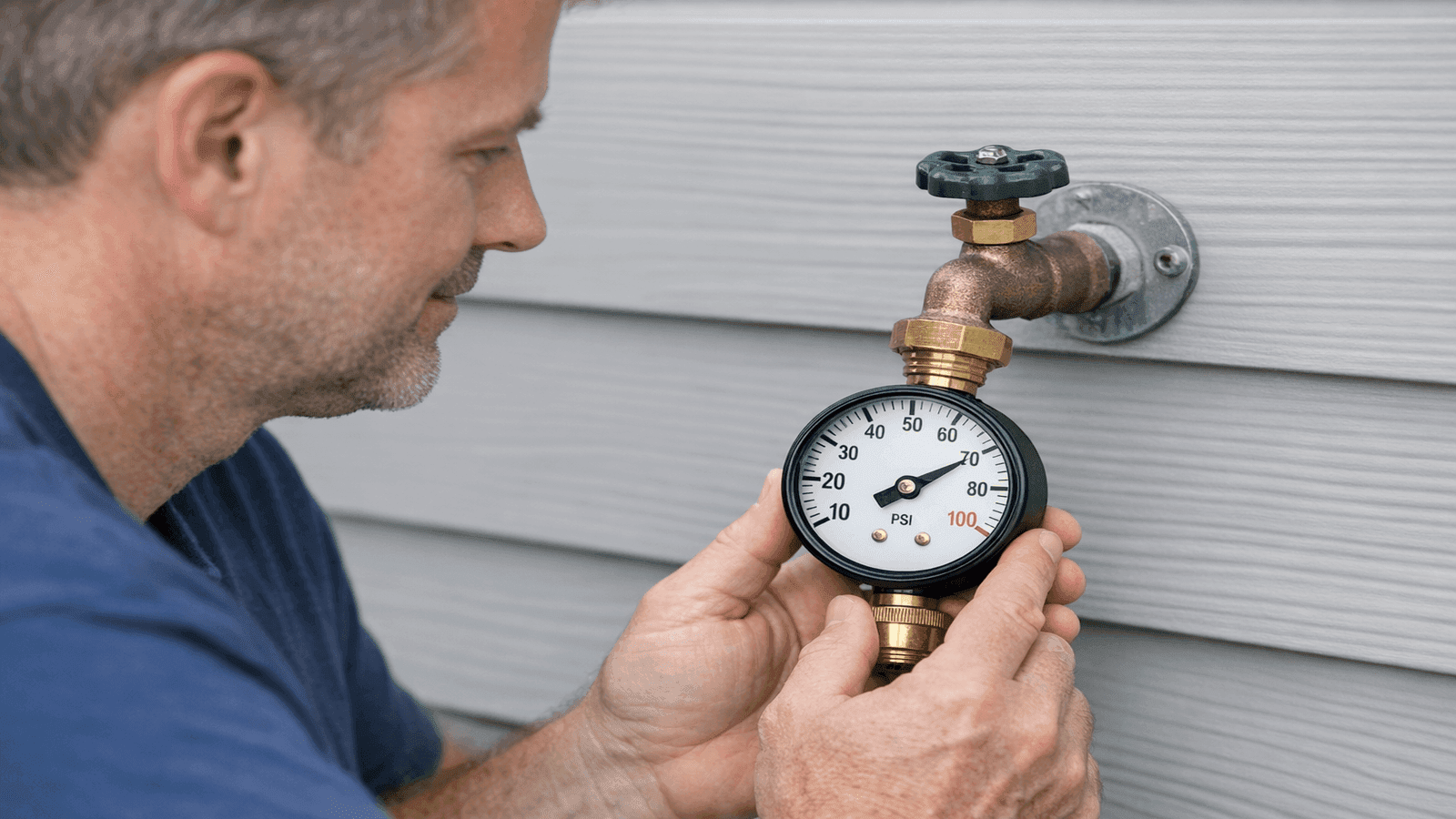
Photo: Homeowner testing home water pressure with gauge attached to hose bib
Why Water Pressure Maintenance Matters
Water pressure is the driving force behind everything your plumbing system does. It pushes water from municipal mains or a well through your pipes to every faucet, showerhead, dishwasher, and toilet in your home. When pressure falls out of range, either too high or too low, the effects ripple through the entire system. Monitoring and correcting pressure is a core task in any home plumbing maintenance plan.
Unaddressed high pressure erodes pipe joints, wears out appliance valves, and inflates water bills. Chronic low pressure leaves your shower running weak and your dishwasher unable to clean effectively.
Most pressure problems are diagnosable with a $10 gauge and fixable without a major overhaul. For a broader look, see our guide on how plumbing works.
Ideal Water Pressure: Understanding PSI
PSI stands for pounds per square inch -- the standard unit for residential water pressure. The U.S. EPA and major plumbing codes set the acceptable residential range at 40 to 80 PSI. Most plumbers target 50 to 60 PSI as the optimal zone.
PSI Levels and Their Effects
PSI Levels and Their Effects
| PSI Range | Classification | Effect on System |
| Below 40 PSI | Too Low | Poor flow, appliances underperform, toilets slow to fill |
| 40 to 49 PSI | Acceptable Low | Functional but marginal; investigate causes |
| 50 to 60 PSI | Optimal | Best balance of performance and pipe safety |
| 61 to 80 PSI | Acceptable High | Monitor closely; approaching damaging range |
| Above 80 PSI | Too High | Accelerated pipe wear, appliance damage, increased leak risk |
The International Plumbing Code caps maximum residential pressure at 80 PSI. Many professionals recommend keeping pressure below 70 PSI for homes with older galvanized or copper pipes.
How to Test Your Home Water Pressure
Testing takes about five minutes and requires only an inexpensive gauge with a hose bib fitting.
- Turn off all water-using appliances (dishwasher, washing machine, ice maker).
- Locate an outdoor hose bib or indoor laundry faucet with a threaded connection.
- Thread the pressure gauge onto the fitting hand-tight.
- Fully open the faucet valve and read the gauge after the needle stabilizes.
- Record the reading and compare it against the table above.
Test in early morning and again in mid-afternoon. A variation of more than 10 PSI between readings often points to a municipal supply issue rather than an internal plumbing problem.
For guidance on related diagnostics, see our article on plumbing leak detection.
I always tell homeowners to test twice -- once at 6 a.m. and once around 3 p.m. The spread between those numbers tells you whether the problem is inside your home or coming from the street. After 2,400-plus jobs in the Dallas area, I can say about a third of low-pressure calls turn out to be municipal supply issues, not a homeowner's pipes.

Pressure Reducing Valves: Inspection, Adjustment, and Replacement
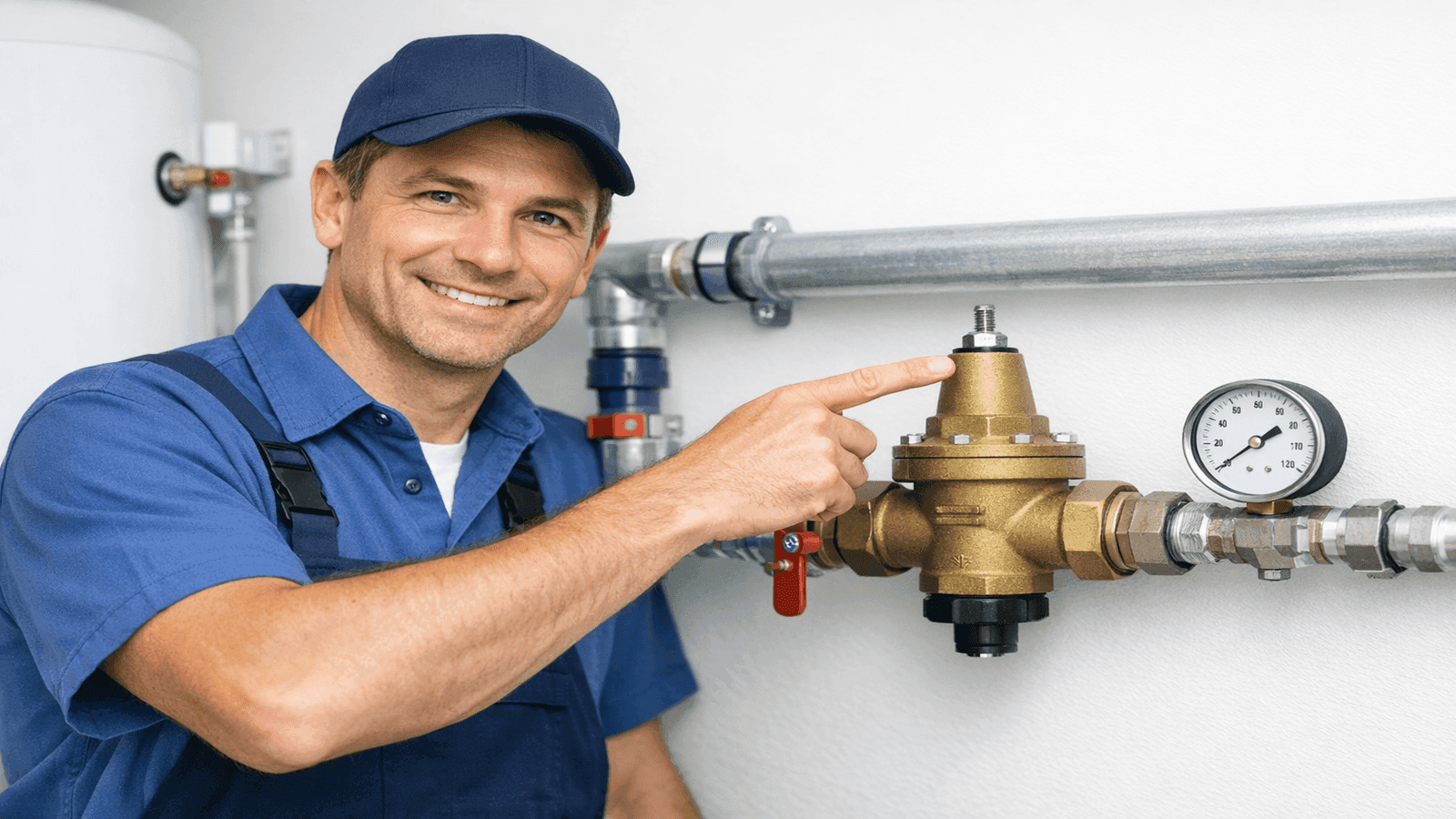
Photo: Plumber inspecting pressure reducing valve on main water supply line
A pressure reducing valve (PRV) is a bell-shaped brass fitting installed on your main supply line where it enters the house. It steps down high municipal pressure -- often 100 PSI or more -- to a safe level inside your home.
Get quotes from top-rated pros.
Locating and Inspecting Your PRV
Look for a dome-shaped brass fitting on the main supply pipe, usually within a few feet of your water meter. An adjustment screw sits on top, secured by a lock nut. During your annual inspection, check for corrosion, rust staining, moisture around the valve, and any hissing sounds under normal flow.
Adjusting Your PRV
Loosen the lock nut, then turn the adjustment screw clockwise to increase pressure or counterclockwise to decrease it. Make increments of no more than one full turn and re-test with your gauge after each adjustment. Re-tighten the lock nut when finished. If pressure creeps back up within 24 hours after adjustment, the valve needs replacement.
PRV Lifespan and Replacement
A well-maintained PRV lasts 10 to 15 years. Signs that replacement is overdue: pressure fluctuations despite no changes to the adjustment, water hammer that worsens over time, visible corrosion, or downstream pressure that climbs above 80 PSI regardless of adjustment. PRV replacement typically costs $250 to $600 including labor. See our plumbing costs guide for regional pricing.
A PRV that's 12 or 13 years old and showing pressure spikes is on borrowed time. The diaphragm degrades and loses its ability to regulate consistently. Replacing it proactively costs a few hundred dollars. Waiting until it fails completely -- and pressure surges to 110 PSI overnight -- can mean burst pipes and thousands in water damage.
Expansion Tanks and Pressure Spikes
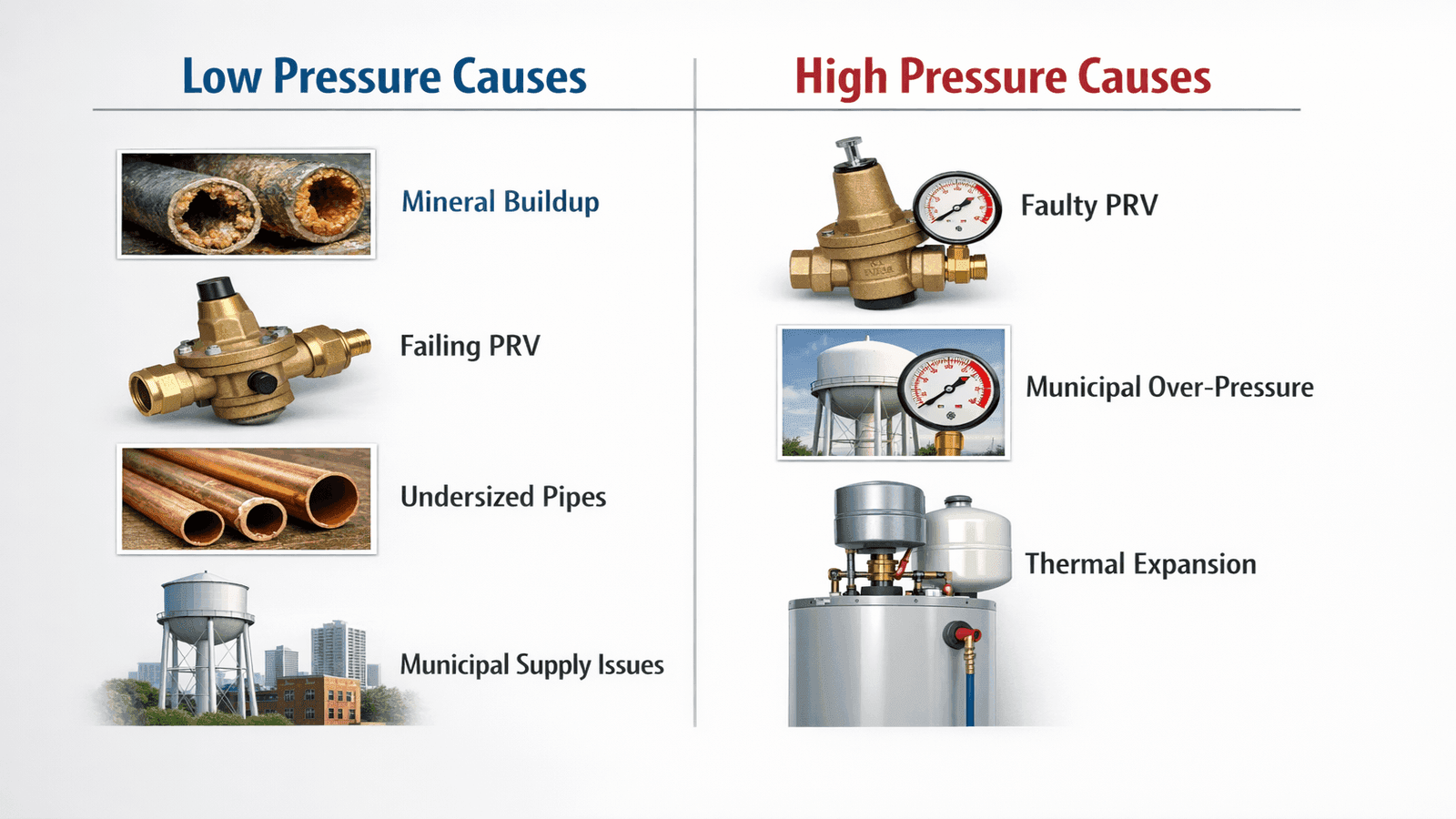
Photo: Infographic showing common causes of low and high home water pressure
In closed plumbing systems -- those with backflow preventers or check valves on the supply line -- thermal expansion becomes a pressure management issue. When your water heater heats water, the expanded volume has nowhere to go, creating pressure spikes that stress pipe joints and wear out the PRV faster.
An expansion tank on the cold water supply line to your water heater absorbs that expanded volume. Expansion tanks should be inspected every 3 to 5 years and replaced every 5 to 10 years. A waterlogged tank provides no cushioning.
Many municipalities now require expansion tanks by code. If your water heater was replaced after 2010, check whether one was included. For related maintenance, see our water heater maintenance guide.
Common Causes of Low and High Water Pressure
Common Causes and Fixes
Common Causes and Fixes
| Cause | Scope | DIY Fix | Call a Plumber? |
| Clogged aerator or showerhead | Single fixture | Soak in vinegar 30 min | No |
| Partially closed shut-off valve | Whole house | Open valve fully | No |
| Faulty PRV set too low | Whole house | Adjust or replace PRV | If valve is old |
| Mineral buildup in pipes | Whole house (gradual) | Water softener | Yes, if severe |
| Pipe corrosion (galvanized steel) | Whole house | Repiping | Yes |
| Municipal supply pressure drop | Whole house | Contact utility | If persistent |
| Hidden leak | Localized or whole house | Locate and patch | Yes |
Mineral deposits from hard water narrow pipe interiors over years. Homes with galvanized steel pipes from the 1970s or earlier are most vulnerable. If corrosion-related loss is suspected, explore our types of plumbing pipes and repiping cost guide.
For high pressure, the most common cause is a failing or misconfigured PRV. NearbyHunt's 2026 service data shows homes above 90 PSI report appliance failures at roughly twice the rate of homes in the 50 to 60 PSI range.
Get quotes from top-rated pros.
Clogged aerators cause about 20 to 25 percent of the single-fixture low-pressure calls I respond to. Homeowners spend time convinced they have a pipe problem when the fix is unscrewing the aerator tip and soaking it in white vinegar for 30 minutes. Always check the simplest things first before assuming the worst.
When to Call a Licensed Plumber
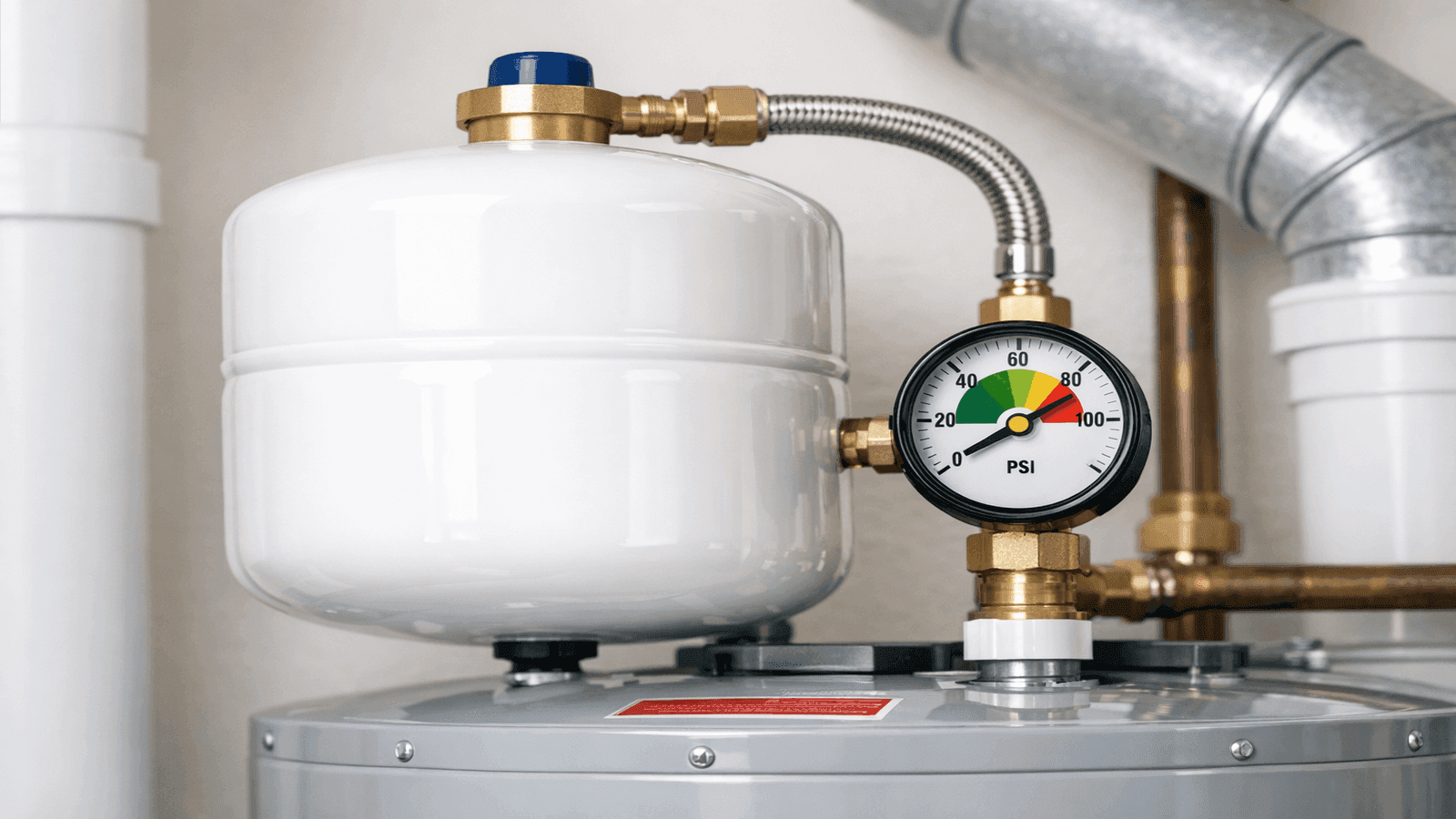
Photo: Thermal expansion tank installed on water heater for pressure management
Many pressure issues are diagnosable and adjustable by a handy homeowner. However, call a professional for:
- PRV replacement, especially on main supply lines larger than 3/4 inch
- Whole-house repiping for corrosion-related pressure loss
- Suspected hidden leaks that cannot be located visually
- Pressure problems that persist after DIY adjustments
- Installation of a pressure booster pump
- Water hammer that continues after lowering pressure to safe levels
A licensed plumber can perform a full system pressure audit in a single visit. A plumbing inspection typically costs $100 to $300 and can prevent thousands in damage. Also review our guide on common plumbing problems for additional diagnostics.
Conclusion
Maintaining water pressure is one of the most cost-effective habits a homeowner can develop. Testing twice a year and inspecting your PRV annually protects pipes, appliances, and your budget. A $10 gauge and 15 minutes a year is a small investment compared to burst pipes or premature appliance failure.
For related maintenance, review our guides on fixing a leaky faucet and plumbing inspection cost.
Water pressure is one of those things people never think about until something goes wrong -- and by then, the damage is already done. I've walked into homes where a $300 PRV replacement could have been done at year 12, but the owners waited until year 16 and ended up with pinhole leaks throughout their copper supply lines. Spend 10 minutes a year testing your pressure. It's the lowest-effort maintenance task with one of the highest returns.
Sources & References
- PHCC (Plumbing-Heating-Cooling Contractors Association) -- Residential plumbing standards and PRV guidelines
- U.S. Environmental Protection Agency -- Service Water Pressure Technical Sheet
- This Old House -- Water pressure testing and PRV adjustment procedures
- Bob Vila -- Residential water pressure troubleshooting guide
- Fixr -- PRV replacement cost data, 2026
- Today's Homeowner -- How to Fix Low Water Pressure in Your Home (2026)
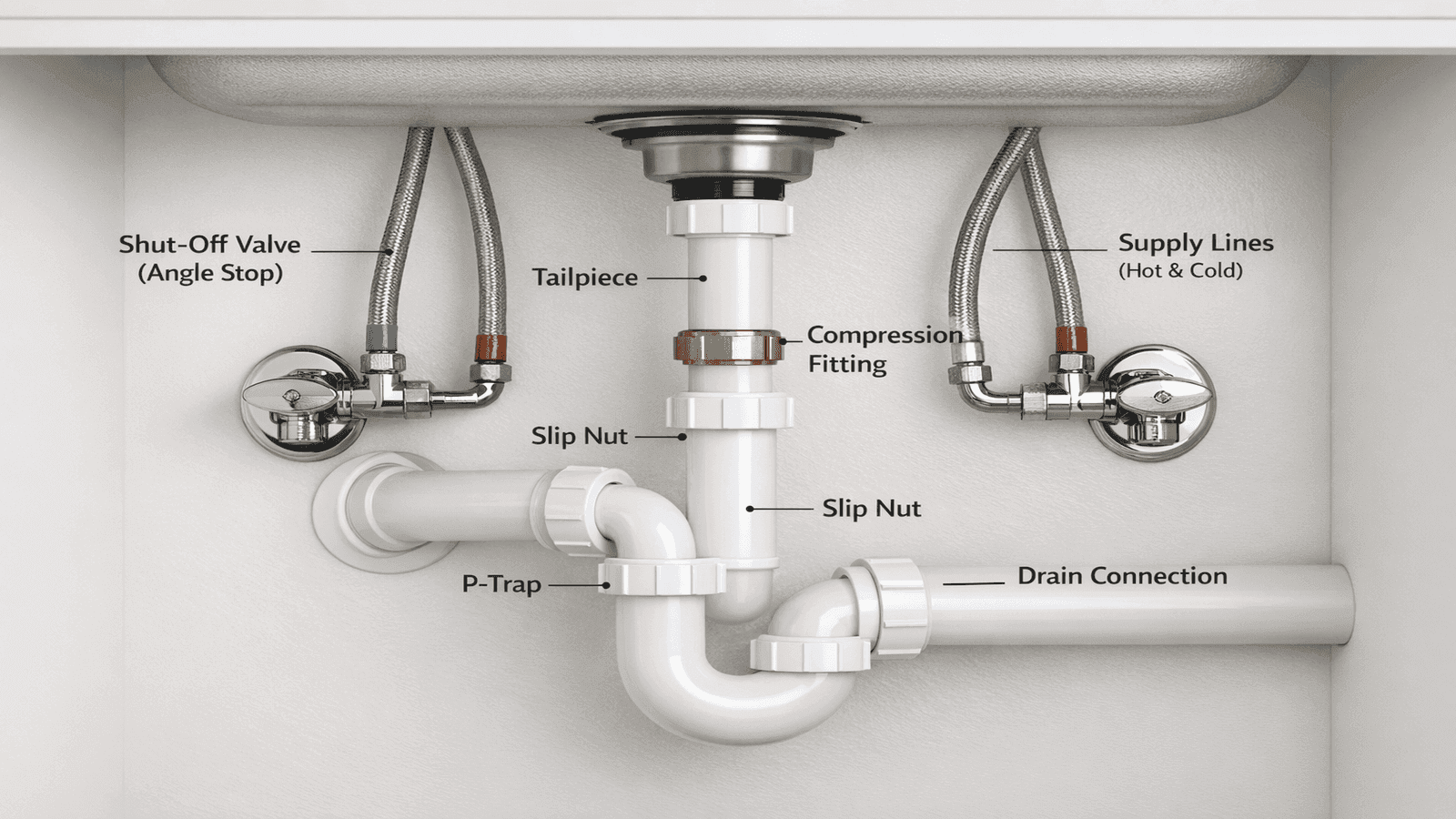

Michael Jennings is a licensed master plumber & water systems specialist with over 18 years of hands-on experience in residential and commercial plumbing, serving clients across California and Texas. At NearbyHunt, he shares practical advice on pipe installations, water heater maintenance, and home plumbing upgrades. Michael has helped thousands of homeowners prevent costly water damage and improve water efficiency through modern plumbing solutions.

Robert is a licensed master plumber with over 20 years of experience serving both residential and commercial clients across the Midwest. Specialising in advanced plumbing systems and sustainable water technologies, Rob brings deep technical insight and hands-on expertise to every project. As a reviewer for NearbyHunt, he ensures all plumbing content reflects the highest standards of safety, compliance, and practicality.
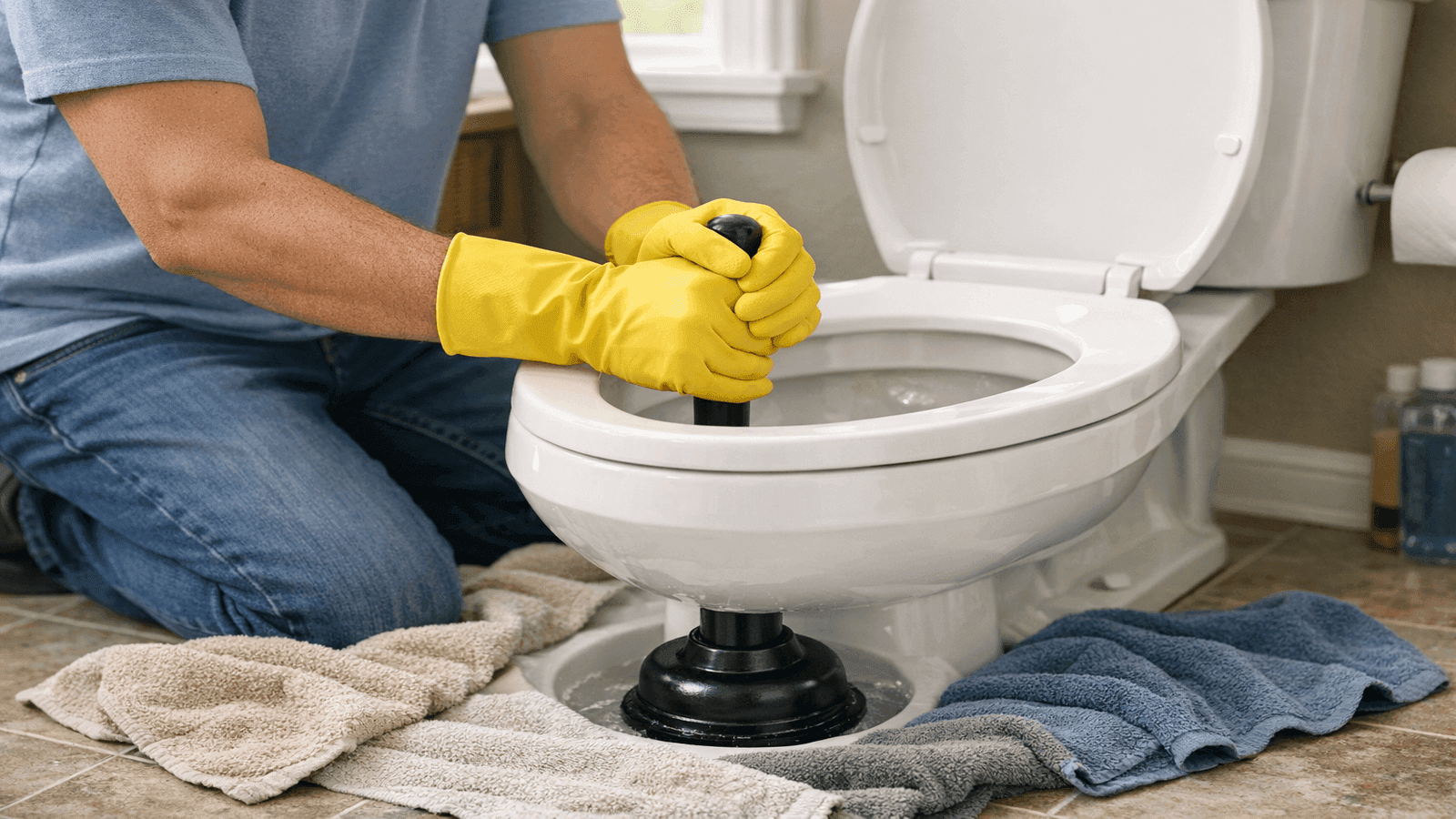
![How Home Plumbing Works: Supply & Drainage 2026 [Expert Guide]](/_next/image?url=https%3A%2F%2Fres.cloudinary.com%2Fdtt6e7r1f%2Fimage%2Fupload%2Fv1763301229%2Fnearbyhunt%2Fstrapi-uploads%2Farticles%2Fplumbing_system_819024eeb0.png&w=2048&q=75)