- Natural slate roofs cost $15-$30 per sq ft installed — 3-5x more than asphalt shingles but last 75-150 years with proper maintenance [1]
- A 1,500 sq ft slate roof runs $22,500-$45,000 installed — synthetic slate cuts cost to $7-$12/sq ft while closely mimicking the look
- Labor accounts for 60-70% of total slate cost — slate's weight (800-1,500 lbs per square) demands certified specialists, not general roofers
- Slate repair costs $300-$1,500 per repair depending on accessibility and number of broken tiles — far cheaper than replacement if caught early [2]
- James Carver has installed and repaired 150-plus slate and synthetic slate roofs across the U.S. South and Midwest — the biggest mistake homeowners make is hiring a roofer who has never worked with slate
Slate is the roofing material that outlasts the people who installed it. Historic neighborhoods across Philadelphia, Boston, and Louisville are still protected by original Vermont slate laid in the late 1800s. No asphalt shingle manufacturer can make that claim. The tradeoff is a price tag that stops most homeowners cold: a full natural slate installation on a 2,000 sq ft home routinely runs $40,000-$60,000 before any structural upgrades.
Yet when you run the 50-year math, slate often wins. Asphalt shingles require two to three full replacements over that same period, each carrying its own labor, disposal, and material costs. Slate may require periodic repairs but rarely a full replacement within its lifespan. For the complete picture of roofing costs across all material types, see our guide on roofing costs.
This guide covers natural slate installation pricing, synthetic slate alternatives, repair costs, maintenance budgets, and what to look for in a qualified contractor. Every figure reflects 2026 contractor pricing across U.S. markets.

Get quotes from top-rated pros.
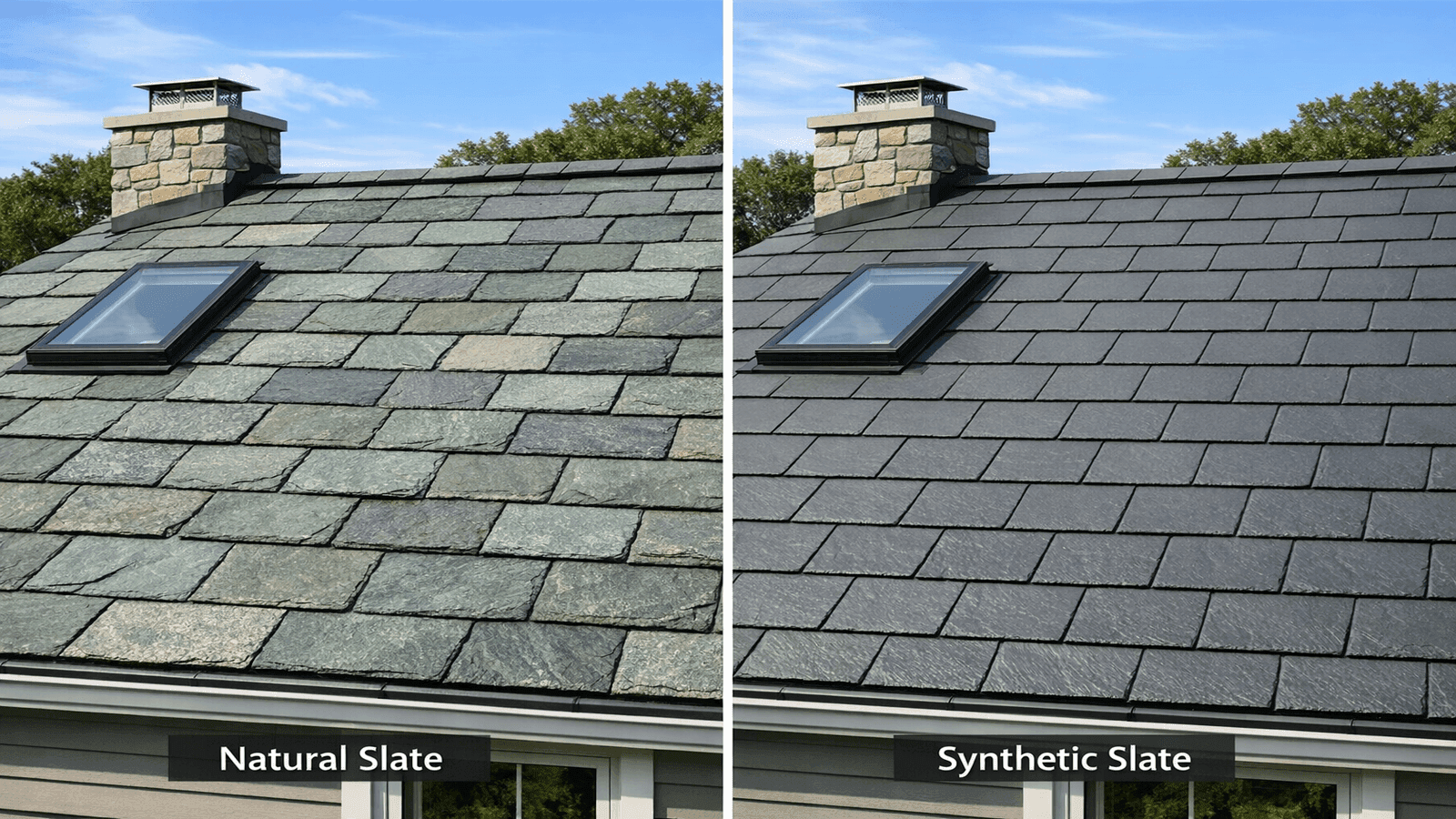
Photo: Side-by-side comparison of natural quarried slate and synthetic polymer slate roofing panels showing texture and color differences on a residential roof
Natural Slate vs. Synthetic Slate: Cost Comparison
The first question every homeowner asks is whether synthetic slate delivers comparable value to natural stone at a lower price point. The honest answer: it depends on what you are optimizing for.
Natural slate is quarried stone, primarily from Vermont, Pennsylvania, Virginia, and imported from Spain and Wales. It weighs 800-1,500 lbs per roofing square (100 sq ft) and requires specialized nailing technique, copper flashing, and a framing system that can handle the load. Properly installed, it lasts 75-200 years depending on the slate grade and origin [3].
Synthetic slate is manufactured from rubber, polymer, or composite materials pressed to replicate the look of natural stone. It weighs 175-275 lbs per square, requires no structural reinforcement, and installs faster. Lifespan runs 30-50 years with a manufacturer warranty.
| Slate Type | Material Cost/Sq Ft | Install Cost/Sq Ft | Total/Sq Ft | Lifespan | Warranty |
| Vermont hard slate | $8-$15 | $10-$18 | $18-$30 | 150-200 years | 100-year material |
| Pennsylvania soft slate | $6-$12 | $9-$15 | $15-$24 | 75-125 years | 75-year material |
| Spanish imported slate | $7-$13 | $10-$16 | $17-$26 | 100-150 years | Varies by importer |
| Synthetic (DaVinci, Brava) | $4-$8 | $5-$10 | $7-$12 | 30-50 years | 30-50 year material |
| Hybrid composite | $5-$9 | $6-$10 | $9-$16 | 40-60 years | 40-year material |
When to choose natural slate: historic homes with original slate (matching existing material matters), properties on the National Register of Historic Places, homes in HOA districts that require authentic materials, and homeowners planning a 50-year or longer ownership horizon.
When synthetic makes more sense: budget-constrained projects, homes with framing that cannot support slate weight without costly reinforcement, hail-prone markets where Class 4 impact ratings matter, and homeowners who want the look without the specialist maintenance requirements. For a comparison of all roofing material types and how they stack up on cost, weight, and longevity, see our types of roofing materials guide.
Slate Roof Cost by Home Size
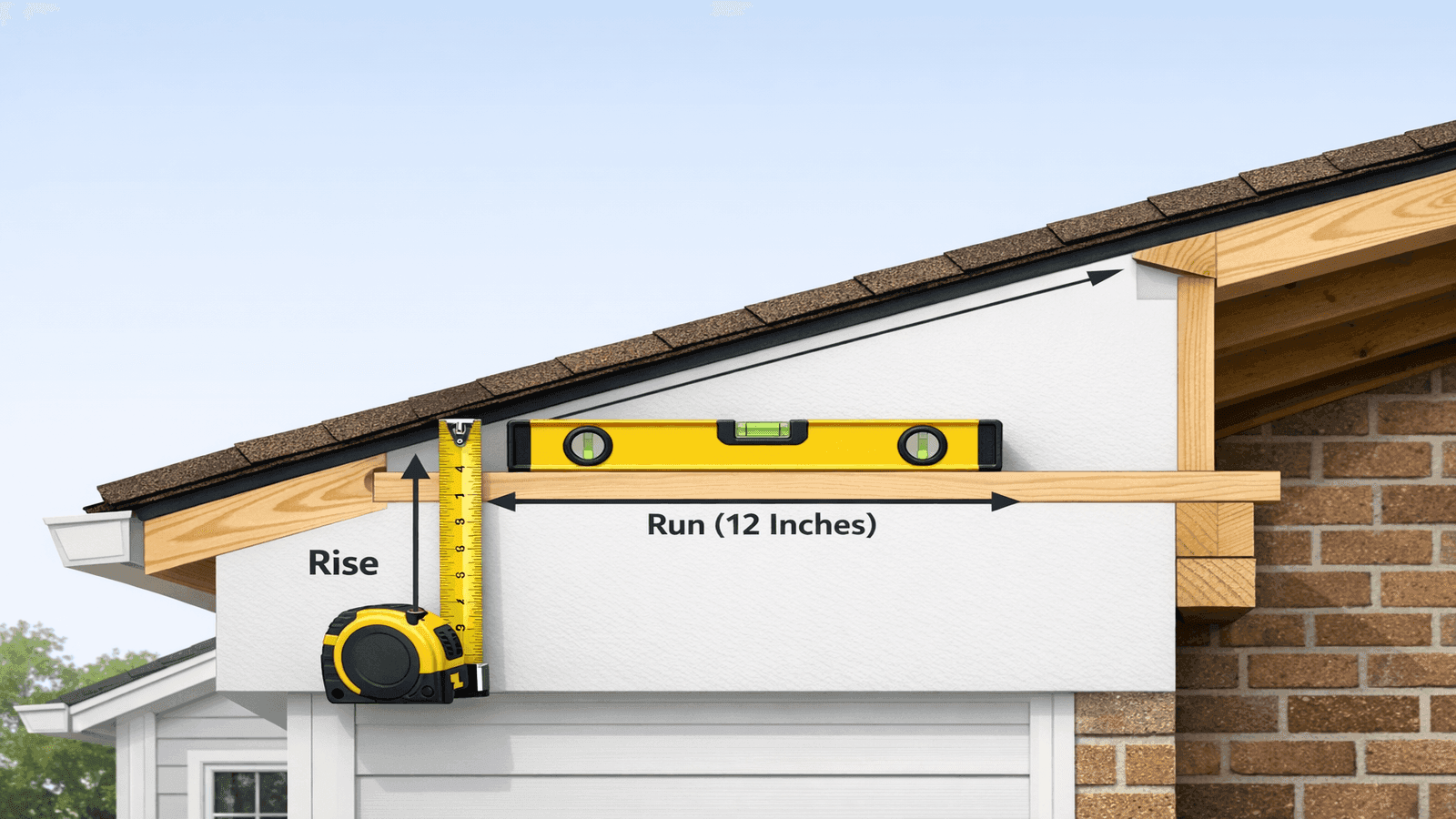
Roof cost is always calculated in "squares" (one square equals 100 sq ft of roof surface). Roof surface is always larger than home footprint because of pitch; a 2,000 sq ft home with a 6:12 pitch has roughly 2,300-2,500 sq ft of actual roof surface.
Regional pricing variation is significant. Northeast markets (Massachusetts, Connecticut, New York, Pennsylvania) command the highest rates because trained slate specialists are concentrated there and material transport costs are lower near quarries. South and Midwest markets, where James Carver operates, run 10-20% below Northeast rates for labor but may carry higher freight costs for Vermont or imported slate.
| Home Size (Sq Ft) | Natural Slate Range | Synthetic Slate Range | Notes |
| 1,000 sq ft | $15,000-$30,000 | $7,000-$12,000 | Small cottage; lower mobilization offset |
| 1,500 sq ft | $22,500-$45,000 | $10,500-$18,000 | Most common single-story footprint |
| 2,000 sq ft | $30,000-$60,000 | $14,000-$24,000 | Standard 3BR/2BA home |
| 2,500 sq ft | $37,500-$75,000 | $17,500-$30,000 | Larger single-story or 2-story |
| 3,000-3,500 sq ft | $45,000-$105,000 | $21,000-$42,000 | Premium homes; complex rooflines add cost |
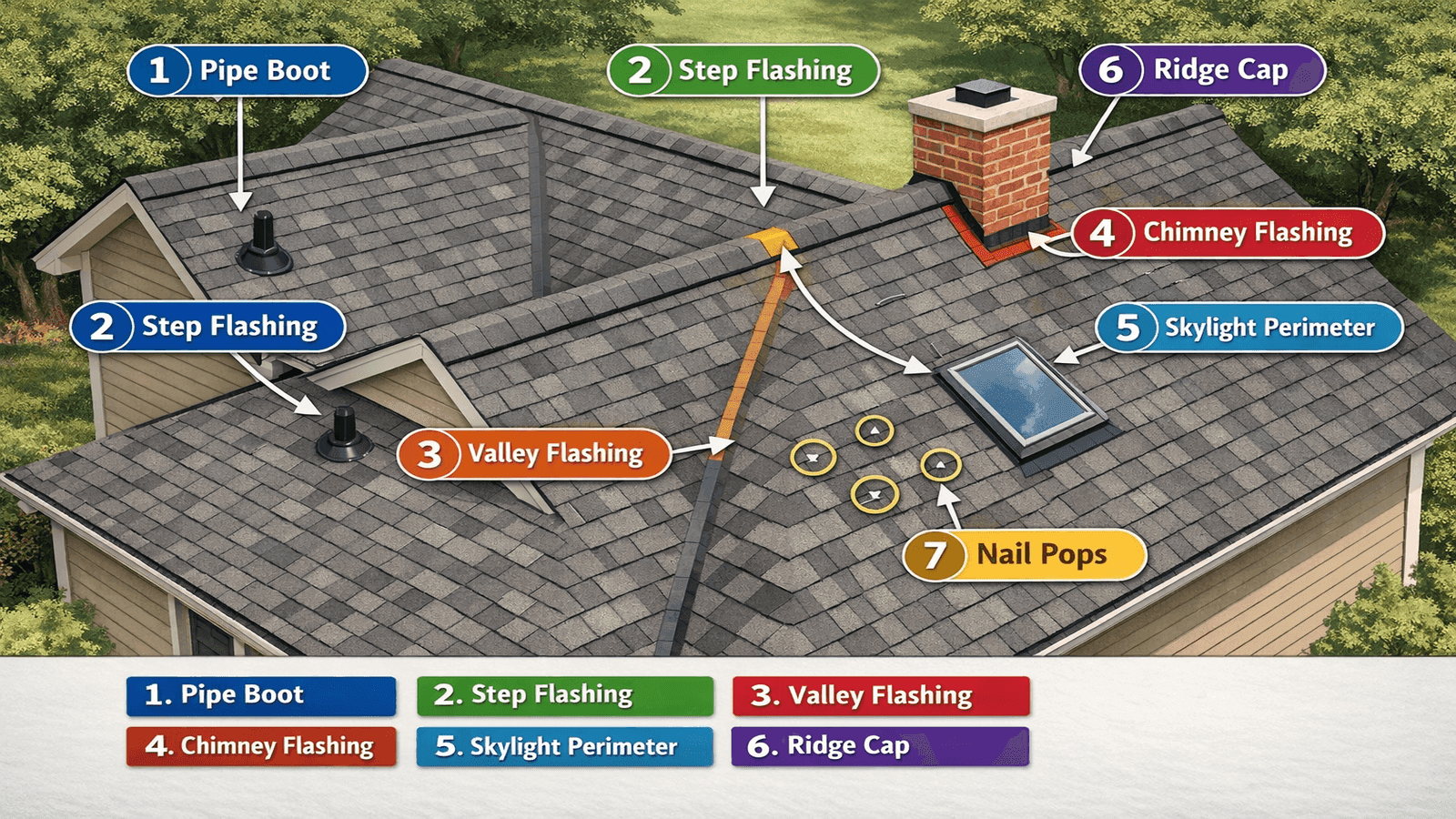
These ranges assume standard pitch (4:12 to 6:12). Steep roofs (8:12 and above) add 25-40% to labor. Multiple dormers, valleys, skylights, and chimneys each add $500-$2,000 in flashing and cut work.
What Drives Slate Roof Installation Cost
Labor: The Dominant Cost Factor
Labor represents 60-70% of total slate installation cost. General roofers charge $3-$6 per sq ft for asphalt shingle work. Certified slate specialists charge $8-$18 per sq ft for labor alone. The gap reflects both skill scarcity and the physical demands of the work: slate tiles must be individually hand-nailed with precise spacing to allow thermal movement, and working on a steep roof with heavy stone tiles requires substantial safety rigging.
Nationwide, there are fewer than 300 contractors who have completed more than 25 full slate installations. In most markets, you are competing with other homeowners for scheduling slots with a small pool of qualified contractors.
Material Grade and Origin
Slate is graded by weathering class under ASTM C406:
- S1 (most durable): Suitable for roofing with a 150-year lifespan; absorbs less than 0.25% water
- S2 (intermediate): 75-150 year lifespan; absorbs 0.25-0.45% water
- S3 (soft slate): 40-75 year lifespan; often used for interior applications; not recommended for all climates
Vermont slate is predominantly S1. Some Pennsylvania deposits are S2; the historic Peach Bottom slate from Pennsylvania is S1-equivalent and commands premium pricing. Spanish slate is typically S2 but priced lower due to import availability [3].
Get quotes from top-rated pros.
Roof Pitch
Roofs steeper than 8:12 require walkboards, additional safety harnesses, and more installation time. Contractors add 25-40% to base labor on steep-pitch work. Mansard roofs and extreme pitches (12:12 and above) may add 50% or more.
Underlayment Requirements
Slate requires high-grade synthetic underlayment rated for 75-plus years, not standard 30-pound felt. Quality synthetic underlayments (Grace Ice and Water Shield, Titanium UDL) cost $0.25-$0.60 per sq ft and add $200-$600 to a typical project. Do not skip this: failed underlayment under a 100-year slate roof requires lifting and resetting thousands of individual tiles to access the decking.
Copper Flashing
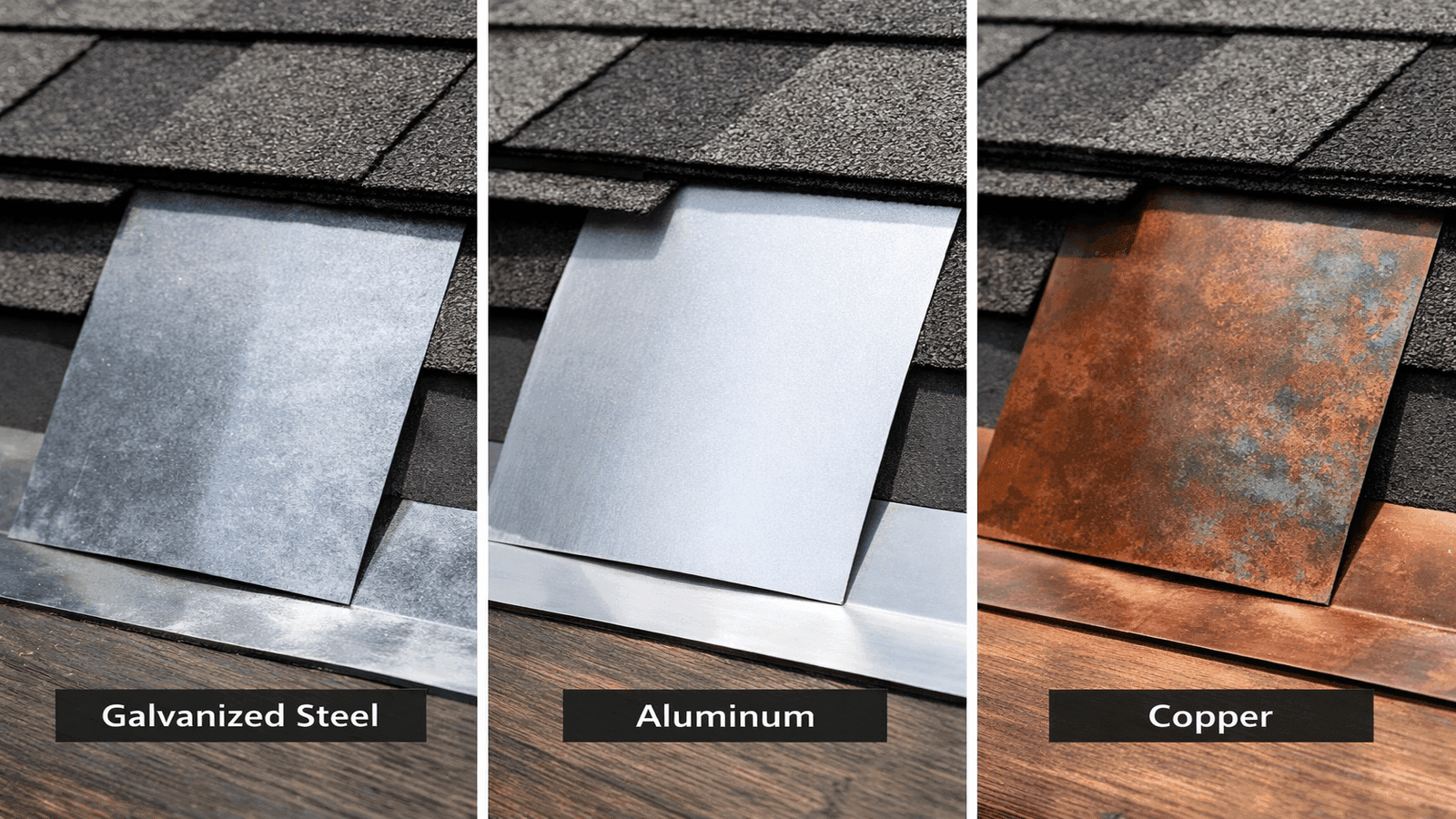
Slate requires copper flashing throughout, not aluminum or galvanized steel. Copper expands and contracts at a rate compatible with slate's thermal movement and does not corrode on contact with the stone. Copper flashing adds $300-$1,000 depending on valley length, chimney perimeter, and dormer count. Contractors who try to use aluminum flashing with natural slate are cutting a corner that will fail within 20 years.
Tear-Off and Disposal
Removing an existing roof adds $1-$3 per sq ft. Slate disposal is particularly expensive because the material is heavy: a full tear-off on a 2,000 sq ft home generates 4-8 tons of debris. Many landfills charge premium tipping fees for slate. Budget $500-$2,000 for disposal on top of tear-off labor.
In 20 years and 1,800-plus residential roofing projects across the U.S. South and Midwest, including 150-plus slate and synthetic slate installations, the single most expensive mistake I see is nail placement. Each slate tile must be nailed to allow flex, not to pinch the stone. Nails driven too tight prevent the tile from expanding with temperature and crack the slate from the inside out. I've seen $40,000 slate jobs — installed by general roofers who had never touched slate before — fail within 8 years because of this one error. You cannot learn proper slate nailing on your first job.
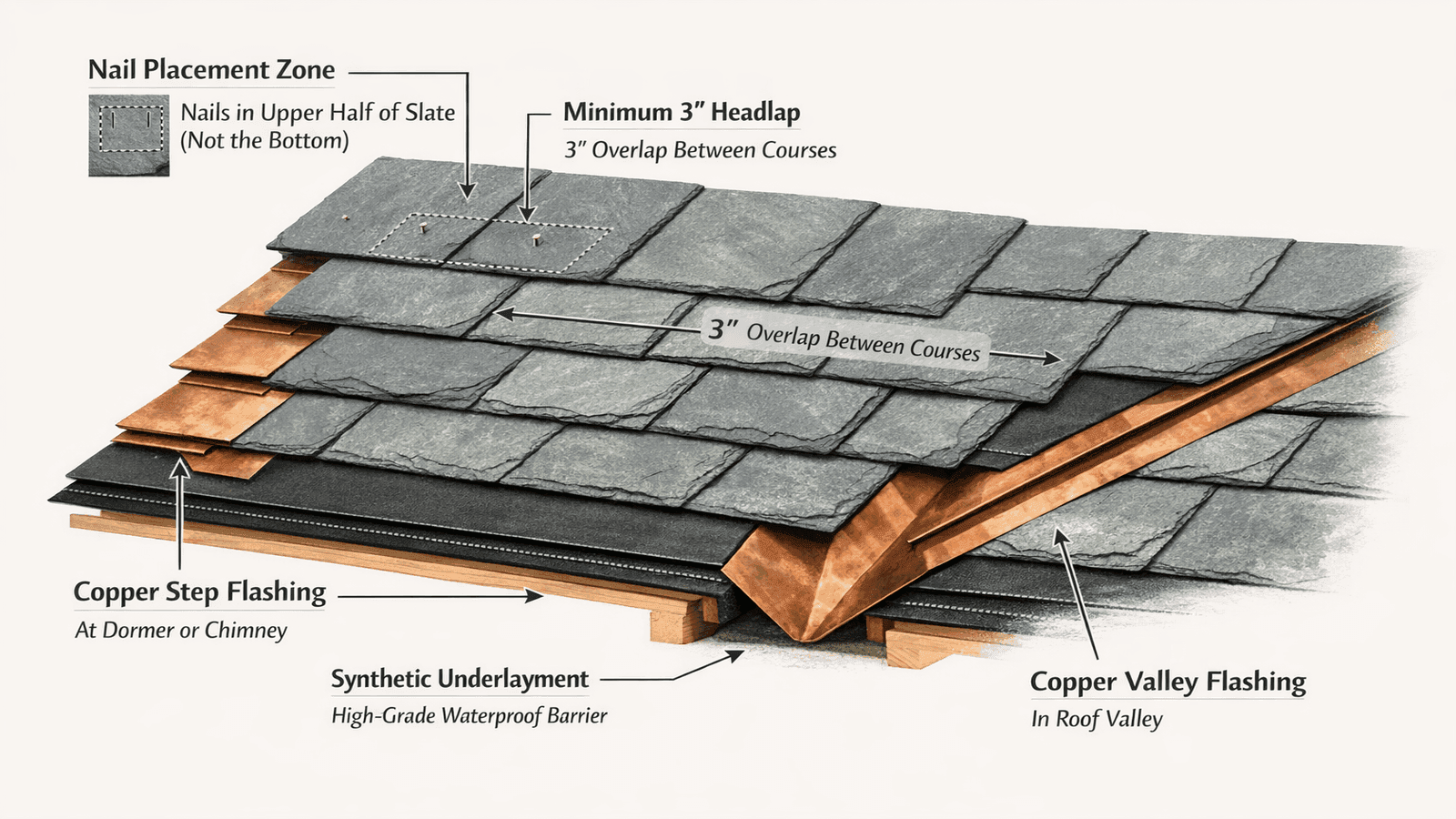
Photo: Annotated diagram showing proper slate roof installation technique including nail placement zones, overlap dimensions, copper flashing at valley, and synthetic underlayment layering sequence
Slate Roof Repair Cost
Slate rarely fails all at once. Because individual tiles are independent units, localized damage from storm impact, freeze-thaw cycling, or improper prior repair is common and usually addressable without full replacement. The key is catching damage early.
Individual Tile Replacement
Replacing a single broken slate tile costs $150-$400 per tile including all labor. The labor is disproportionately high because the contractor must access the roof safely, locate matching slate (color and thickness must be compatible with surrounding tiles), use a slate ripper tool to extract the broken piece, and hook or nail the replacement without disturbing adjacent tiles. Sourcing matching vintage Vermont or Pennsylvania slate from salvage yards adds $50-$150 per tile in material cost.
Flashing Repairs and Leak Repairs
Most slate roof leaks originate at flashing points, not from broken tiles. Chimney saddle flashing failures, valley deterioration, and step flashing separation are the most common failure modes. Flashing repair costs $300-$800 for minor work and $800-$2,500 for a full chimney re-flash or valley replacement.
Ridge and Hip Repairs
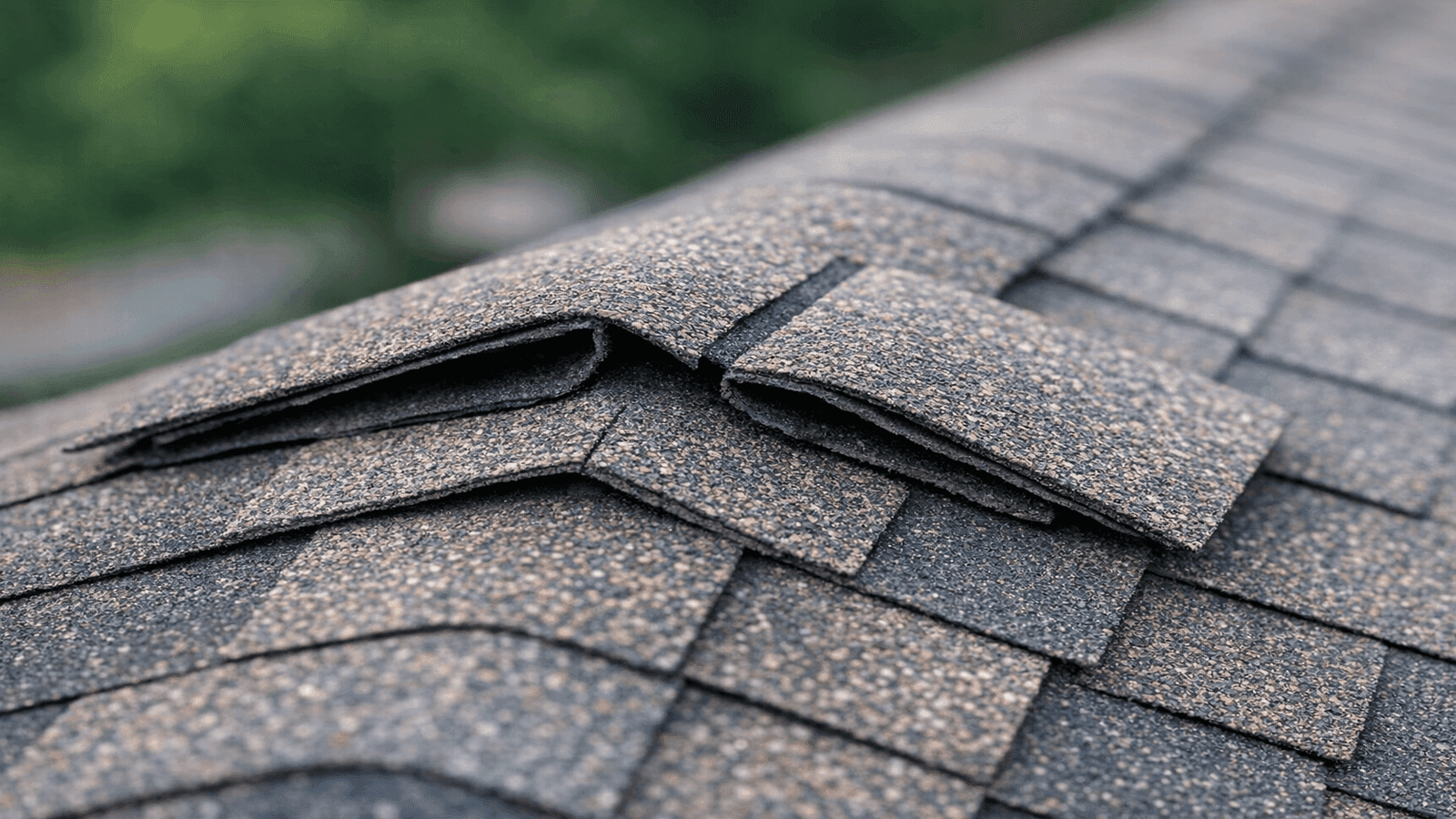
Ridge repairs involve re-pointing deteriorated mortar or replacing broken ridge tiles. Re-pointing a ridge runs $600-$1,500 for an average-length ridge. Full ridge tile replacement costs $1,500-$4,000 depending on length and tile availability.
Section Re-Slating
When damage covers a contiguous area but leaves the majority of the roof intact, section re-slating is the most economical approach. Replacing 10-20 squares (1,000-2,000 sq ft) of damaged slate costs $3,000-$8,000 for the damaged section, far below the $30,000-$60,000 cost of a full tear-off and replacement [2].
The decision threshold: if 30% or more of tiles show active damage or delamination, full replacement becomes more economical than section repair because mobilization costs multiply across too many repair zones.
Get quotes from top-rated pros.
I can diagnose a slate roof's condition in 20 minutes from inside the attic without setting foot on the roof. Sound tapping with a knuckle or rubber mallet produces a clear ring on a good tile. A hollow, dead 'tick' means the stone has delaminated internally and will shed surface layers within two to three winters. I tell homeowners: if you can identify delaminating tiles early, a $2,000 targeted repair prevents a $50,000 replacement. If you wait until the tiles are falling off the roof, you are pricing a full job.
Cost to Maintain a Slate Roof
Slate's longevity advantage is partly a function of how little maintenance it requires relative to other materials, but "little" does not mean "none." Neglected slate roofs fail faster than any other roofing material because problems compound: a single cracked tile admits water that freezes in winter, lifting adjacent tiles and creating a cascade of damage.
Annual inspection: $200-$500 per visit. A trained slate inspector walks the roof, sounds individual tiles, checks all flashing zones, and documents condition. This cost is non-negotiable: the only way to catch the early delamination that James describes above is through direct physical inspection. Do not skip it.
Cleaning: Biocide application and low-pressure washing to remove moss, lichen, and algae costs $0.20-$0.40 per sq ft ($400-$800 for a 2,000 sq ft home). Moss and lichen retain moisture against the slate surface and accelerate surface erosion. Never use high-pressure washing on slate: it strips surface granules and shortens tile life.
Ridge re-pointing: The mortar that bonds ridge tiles softens over decades. Re-pointing every 25-30 years costs $600-$1,500. Skipping this allows water infiltration at the ridge line, one of the costlier leak sources on a slate roof.
Gutter guards: Slate roofs shed debris that clogs gutters faster than asphalt shingles. Blocked gutters cause ice dams in freeze-thaw climates and allow standing water to wick under the eave course. Quality gutter protection costs $1,000-$3,000 installed and eliminates the annual cleaning cost for most homeowners.
Homeowners ask me whether slate maintenance is expensive. My answer: compared to what? I charge $250 for an annual inspection. My clients who skip it for five years end up paying $4,000-$8,000 to fix the cascade of damage a single undetected cracked tile causes over that period. The $250 inspection is the cheapest insurance in roofing.
50-year maintenance cost comparison:
- Natural slate: $8,000-$20,000 in maintenance over 50 years (inspections, cleaning, minor repairs, ridge repointing)
- Asphalt shingles: $25,000-$45,000 over 50 years including two full replacements plus maintenance
- Synthetic slate: $12,000-$25,000 over 50 years including one replacement around year 40 plus maintenance
Synthetic Slate: Best Value Options
For homeowners who want slate aesthetics without natural stone pricing or structural requirements, four synthetic brands dominate the 2026 market:
DaVinci Roofscapes (Multi-Width Slate): The premium synthetic option. Multi-width panels mimic the irregular sizing of hand-split natural slate. Material cost runs $300-$1,200 per square (100 sq ft). Total installed cost averages $13-$19 per sq ft. DaVinci carries a 50-year limited warranty and Class 4 impact rating. Available in 55 color options including custom blends [4].
Brava Old World Slate: Recycled rubber and plastic construction. Strong Class 4 impact rating important in hail-prone markets across the Midwest and South. Total installed cost averages $10-$16 per sq ft. 50-year transferable warranty.
DECRA Slate X: Stone-coated steel formed to mimic slate profile. Lighter than polymer options at 140 lbs per square. Best suited for high-wind markets. Total installed cost averages $8-$14 per sq ft. 40-year warranty.
| Brand | Warranty | Impact Rating | Cost/Sq Ft Installed | Weight (lbs/square) |
| DaVinci Multi-Width Slate | 50 years | Class 4 | $13-$19 | 230-275 |
| Brava Old World Slate | 50 years | Class 4 | $10-$16 | 175-220 |
| DECRA Slate X | 40 years | Class 4 | $8-$14 | 140 |
| EcoStar Majestic Slate | 50 years | Class 4 | $9-$14 | 200-240 |
Class 4 impact rating is worth prioritizing in any market with documented hail history. Insurance carriers in Texas, Oklahoma, Kansas, Colorado, and Minnesota offer 10-30% premium discounts for Class 4 rated roofing materials, which can offset a meaningful portion of the cost premium over lower-rated alternatives.
Many HOAs that specify "slate-style roofing" now accept Class A fire-rated synthetic products as equivalent to natural slate, provided the color and profile specifications are met. Verify your HOA's exact language before specifying a product.
Real-World Case Study
Margaret K. of Philadelphia, Pennsylvania, inherited a 1920s Colonial Revival home with what appeared to be the original Vermont slate roof. By the time she contacted James Carver for an assessment, several tiles had fallen into the front yard after a winter storm, and she had received one quote for full roof replacement at $52,000.
James's attic inspection told a different story. The north-facing slope showed heavy delamination affecting roughly 40% of tiles in that section. The south-facing slope was structurally sound, with only 7 individual tiles showing early delamination signals. All copper flashing was original and intact, a remarkable finding in a 100-year-old roof.
The recommendation: section re-slating of the entire north slope plus replacement of the 7 flagged south-slope tiles, totaling approximately 22 squares of new slate. James sourced salvaged Vermont sea-green slate from a Pennsylvania architectural salvage dealer to match the original color and thickness. New copper step flashing was installed at all dormer intersections. The project cost $8,500, including a 15-year labor warranty on all new work.
Margaret's result: a roof restored to full weatherproof integrity for $8,500 rather than $52,000, with the original south-slope slate remaining in place. The salvaged Vermont slate used on the north slope carries an estimated remaining lifespan of 80-plus years based on weathering grade assessment.
"I was certain I needed a full replacement," Margaret said. "James was the only contractor who went into the attic before giving me a number. That 20-minute inspection saved me $43,000."
Financing Slate Roof Work
Slate projects regularly exceed $30,000, which puts them into home equity financing territory for most homeowners.
Home equity loan or HELOC: The most common financing path for natural slate projects. Home equity loans offer fixed rates (currently 7-9% in 2026) and predictable monthly payments. HELOCs offer flexible draw schedules useful if the project is phased. Both require adequate home equity and a full appraisal, adding 2-4 weeks to project start timing.
Manufacturer financing: DaVinci Roofscapes offers same-as-cash financing through partner lenders for 12-18 months on qualifying synthetic slate projects. Useful for homeowners who can pay in full within the interest-free window.
Homeowners insurance: Standard policies cover slate damage from covered perils including wind, hail, and falling trees. Hail damage to individual slate tiles is covered in most markets. File claims within the policy window (typically 12 months of the storm event) and document damage with timestamped photographs before any contractor touches the roof. Some carriers will negotiate toward replacement-cost value rather than actual cash value on a documented 100-year-old slate roof [5].
Historic preservation grants: Homeowners with properties on the National Register of Historic Places or located within a certified historic district may qualify for state-administered historic preservation grants. Grant coverage ranges from 25-60% of qualified restoration costs depending on state. The National Park Service's Historic Preservation Fund administers federal grant programs through State Historic Preservation Offices (SHPOs). Note that the FY2026 federal budget has reduced Historic Preservation Fund appropriations, making state-level programs the more reliable current option. Applications typically require documentation of the home's historic designation and contractor specifications showing use of period-appropriate materials.
For a full comparison of roofing financing options across material types, see our guide on roofing costs.
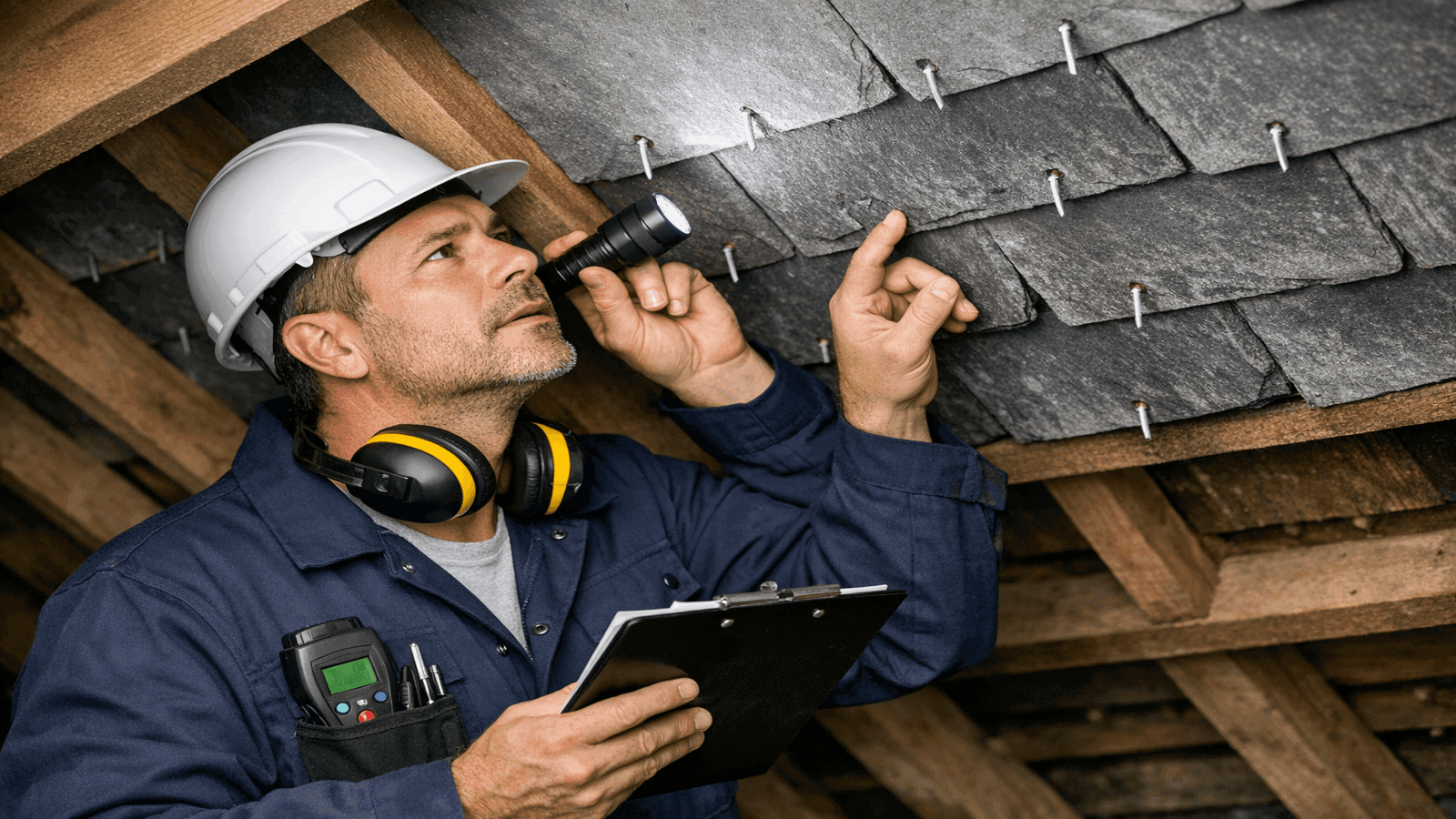
Photo: Professional roofer conducting attic inspection of slate roof condition using flashlight to examine individual tile undersides and identify delamination
Conclusion
Slate is the only roofing material with a documented track record of outlasting the structure it protects. The cost is real: a natural slate installation on an average home costs more than a new car. But so is the math that makes it worth considering: a single natural slate installation can eliminate two or three future roof replacements, each of which carries its own labour, disposal, and material costs.
The most important single decision in any slate project is the selection of a contractor. More than any other roofing material, slate's performance depends on the installer's skill. Proper nail placement, correct overlap, compatible underlayment, and copper flashing are not details that a general roofer can approximate and get right. Find a contractor with a documented portfolio of completed slate projects, verifiable references from clients whose roofs are at least 10 years old, and specific experience with the type of slate you are specifying.
Use NearbyHunt to find licensed roofing contractors in your area who have verified slate experience. Every contractor in our network is licensed, insured, and reviewed by real homeowners.
Disclaimer: The pricing figures in this article reflect contractor-reported data and published cost research as of early 2026. Actual project costs vary based on local labour markets, roof complexity, material availability, and site conditions. Always obtain at least three written quotes from licensed contractors before committing to a slate roofing project.*
Sources & References
[1] This Old House, "How Much Does a Slate Roof Cost?" (2026) — https://www.thisoldhouse.com/roofing/slate-roof-cost
[2] Fixr.com, "Cost to Repair Slate Roof" (2026) — https://www.fixr.com/costs/slate-roof-repair
[3] Inspectapedia, "Slate Roof Life Expectancy and Durability" — https://inspectapedia.com/roof/Slate_Roof_Life_Expectancy.php
[4] DaVinci Roofscapes, Product Specifications and Warranty Documentation (2026) — https://www.davinciroofscapes.com
[5] Bankrate, "When Does Homeowners Insurance Cover Roof Replacement?" — https://www.bankrate.com/insurance/homeowners-insurance/roof-insurance/

James is a licensed roofing contractor with 20 years of experience in roof installation, inspection, and repair across the U.S. South and Midwest. He specialises in asphalt shingles, metal roofing, and storm damage restoration. On NearbyHunt, James offers practical advice on roof maintenance, insurance claims, and selecting the right materials for long-lasting protection.

Jacob is a licensed roofing contractor with over 18 years of experience in roof inspection, installation, and restoration. Based in Texas, he has led hundreds of successful roofing projects across residential and commercial properties. Jacob is also a certified storm damage specialist, ensuring that all NearbyHunt roofing content meets industry best practices and safety standards.