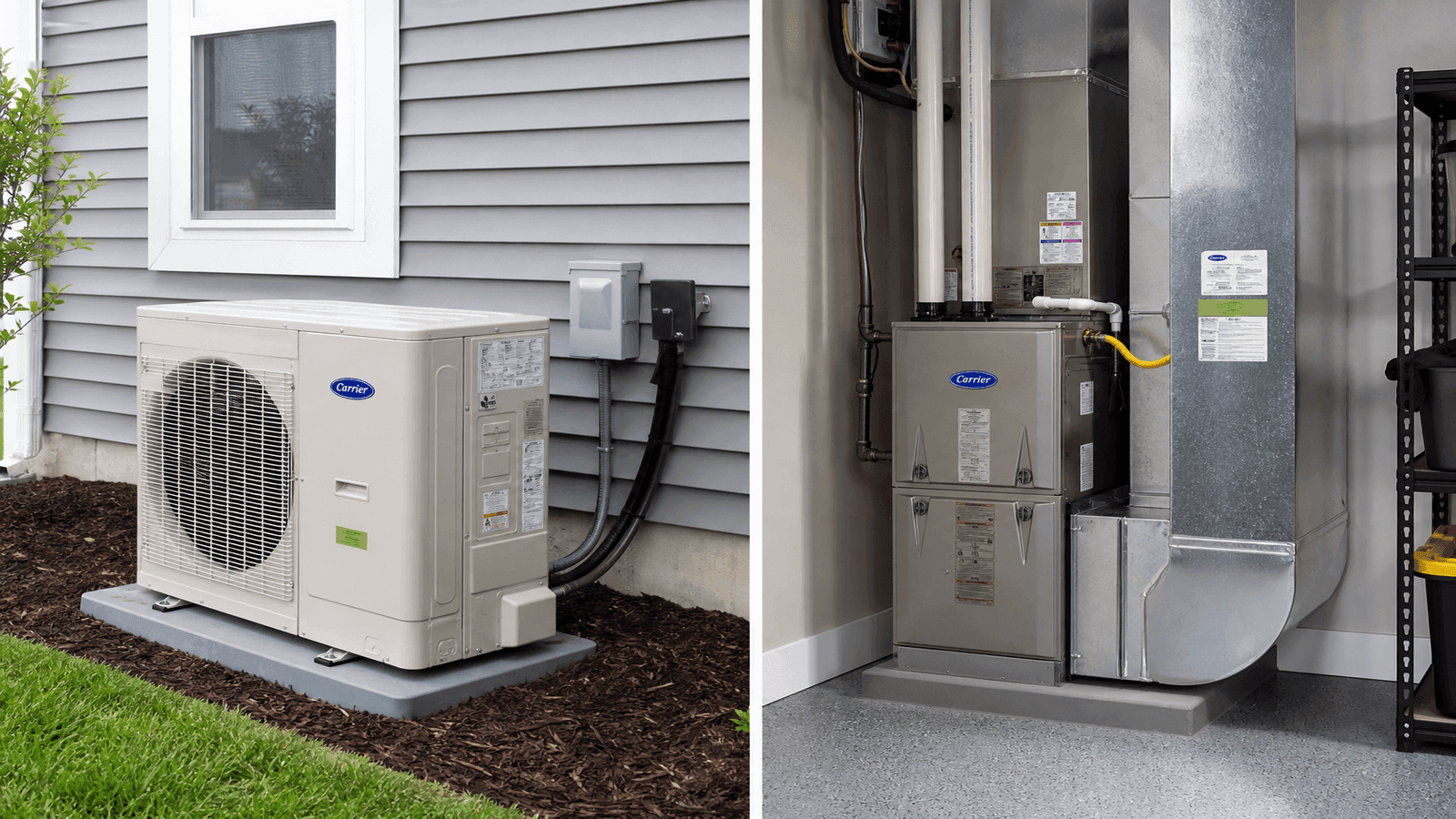
- The BLS reports a median annual wage of $59,810 for HVAC technicians, with the top 10% earning over $91,020 and experienced specialists in commercial refrigeration or controls earning $80,000 to $100,000+ [1].
- Employment is projected to grow 9% through 2033, much faster than average, with approximately 42,500 annual openings from growth and replacement needs [1].
- The industry faces a shortage of 110,000 technicians, with 25,000 leaving the workforce annually and fewer young workers entering the trade [2].
- EPA Section 608 certification is legally required to handle refrigerants, and NATE certification is the most respected voluntary credential for career advancement [3].
- Most HVAC technicians complete training in 6 months to 2 years through trade school or community college programs, with apprenticeships running 3 to 5 years for full journeyman-level competency.
- New A2L refrigerant regulations taking effect in 2025 and 2026 are creating demand for technicians trained on next-generation, lower-GWP refrigerant systems [4].
The United States needs HVAC technicians, and the gap between demand and supply is growing every year. According to the Bureau of Labor Statistics, about 425,200 HVAC mechanics and installers were employed in 2024, and approximately 42,500 positions open annually from retirements, career changes, and new demand [1]. The median pay sits at $59,810 per year, with clear paths to six-figure earnings for technicians who specialize or start their own businesses.
Unlike many careers that require a four-year degree, HVAC offers a direct path from high school to a stable, well-paying career. Technicians earn while they learn through apprenticeships and trade programs, graduating debt-free with a skill set that cannot be outsourced or automated. Every building in the country needs climate control, and someone has to install, maintain, and repair those systems.
For broader context on the industry these professionals serve, see the full guide at All About HVAC.

Get quotes from top-rated pros.
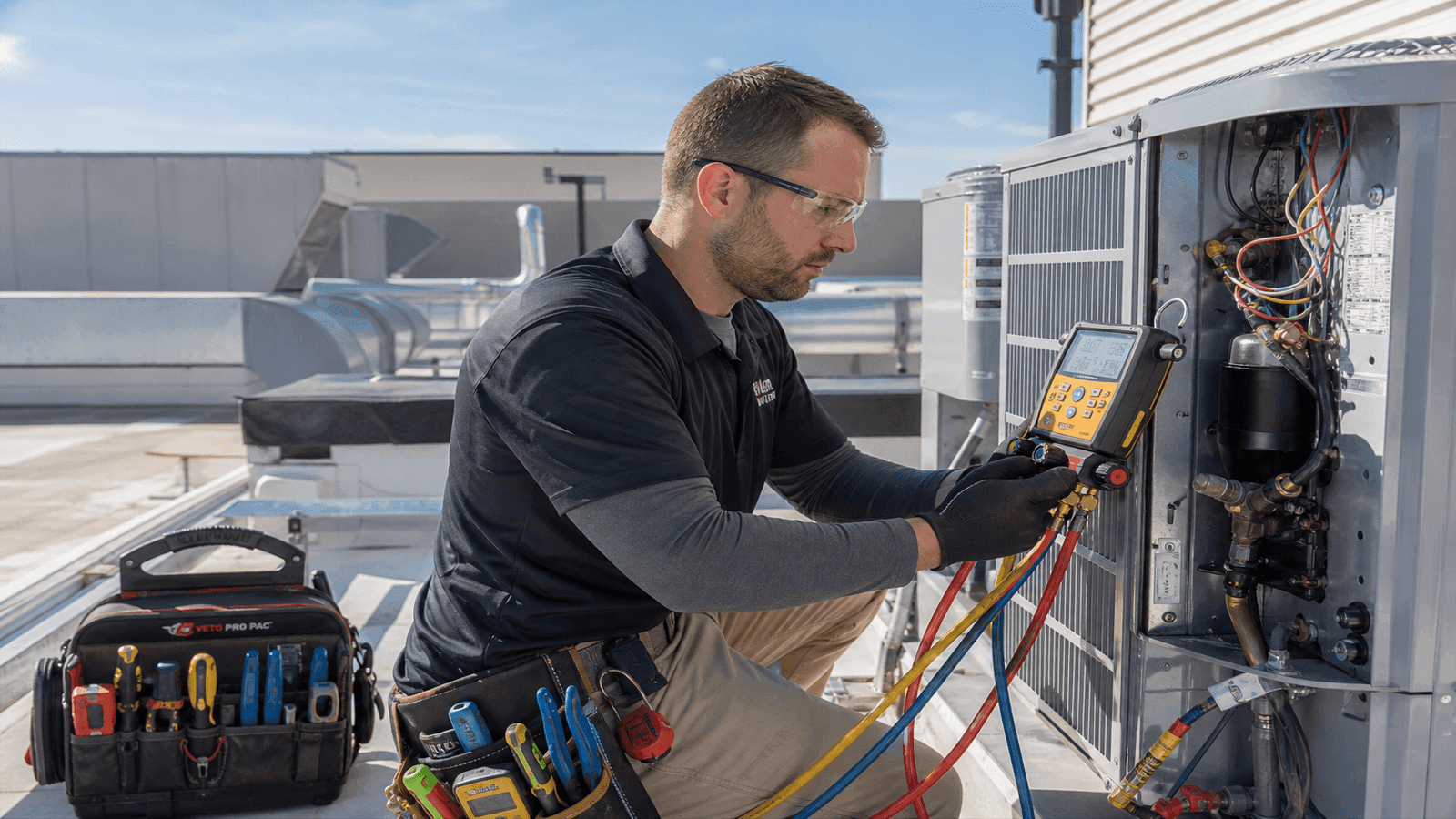
Photo: HVAC technician in uniform performing maintenance on a rooftop commercial air conditioning unit with tools and gauges visible
The State of HVAC Careers in 2026
Job Outlook and Demand
The Bureau of Labor Statistics projects 9% employment growth for HVAC technicians through 2033, which is faster than the national average for all occupations [1]. This translates to roughly 42,500 openings every year when accounting for both new positions and workers leaving the field. The primary demand drivers include aging residential and commercial HVAC systems, new construction, tightening energy efficiency regulations, and the ongoing transition to next-generation refrigerants.
The HVAC industry currently faces a shortage of approximately 110,000 technicians across the country [2]. Over 50% of the current HVAC workforce is over age 45, and retirements are accelerating. Approximately 25,000 technicians leave the field annually, and training programs are not producing enough graduates to fill the gap. The licensed HVAC professionals in the NearbyHunt network consistently report that they could hire additional technicians immediately if qualified candidates were available.
In 14 years working in Minneapolis, I have never once struggled to find work. Every fall, the phone rings off the hook with furnace calls, and every summer the AC work stacks up. The technician shortage is real. Contractors who can hire qualified people right now have a significant competitive advantage.
Salary Ranges by Career Stage
Understanding how earnings progress through an HVAC career is important before you commit. Pay varies by region, specialty, union membership, and whether you work for an employer or operate independently.
| Career Stage | Typical Annual Earnings | Hourly Equivalent |
| Helper / Entry-Level Installer | $32,000 to $40,000 | $15 to $19/hr |
| Trade School Graduate (Year 1) | $38,000 to $48,000 | $18 to $23/hr |
| Apprentice (Year 2 to 4) | $42,000 to $55,000 | $20 to $26/hr |
| Journeyman HVAC Technician | $55,000 to $72,000 | $26 to $35/hr |
| Senior Technician / Specialist | $68,000 to $91,000 | $33 to $44/hr |
| Service Manager / Estimator | $72,000 to $95,000 | $35 to $46/hr |
| HVAC Business Owner | $90,000 to $150,000+ | Varies |
The BLS median annual wage for HVAC technicians was $59,810 in May 2024, with the lowest 10% earning under $39,130 and the highest 10% earning more than $91,020 [1]. Geographic location has a significant impact: technicians in Hawaii earn a median above $112,000, while Alaska, Massachusetts, Connecticut, and Washington, D.C. consistently rank among the highest-paid states [5]. Rural Southern states and the Mountain West tend to pay closer to or below the national median.
How to Enter the HVAC Trade
Path 1: Trade School or Community College (6 Months to 2 Years)
The most common entry point for new HVAC technicians is completing a certificate or associate degree program at a trade school or community college. These programs typically run 6 months (certificate) to 2 years (associate degree) and combine classroom instruction with hands-on lab work.
Curriculum covers:
- Refrigeration fundamentals and thermodynamics
- Electrical theory and wiring for HVAC systems
- Air distribution and duct design
- Heating systems (gas furnaces, heat pumps, boilers)
- Cooling systems (split systems, package units, chillers)
- EPA Section 608 certification preparation
- Building codes and safety practices
- System diagnostics and troubleshooting
Programs accredited by HVAC Excellence or the Partnership for Air-Conditioning, Heating, Refrigeration Accreditation (PAHRA) carry the most weight with employers [6]. Tuition ranges from $1,500 to $15,000 depending on the institution, program length, and whether it is a public community college or private trade school.
Get quotes from top-rated pros.
Path 2: Registered Apprenticeship (3 to 5 Years)
Formal apprenticeship programs offer the most thorough training pathway. Registered apprenticeships through organizations like the Air Conditioning Contractors of America (ACCA), local HVAC unions (such as the United Association or Sheet Metal Workers' International Association), or state apprenticeship agencies combine paid on-the-job training with classroom instruction.
A typical HVAC apprenticeship requires:
- Minimum age of 18 with a high school diploma or GED
- 2,000 on-the-job training hours per year (8,000 to 10,000 total)
- 144 to 200 hours of related classroom instruction annually
- Progression through wage scales starting at roughly 45% to 50% of journeyman pay
- EPA Section 608 certification during or upon completion
Apprentices earn from day one. Starting wages typically range from $15 to $19 per hour, increasing annually as skills develop. Many apprenticeship programs partner with community colleges so that classroom hours count toward an associate degree.
Path 3: Military or On-the-Job Training
The U.S. military trains thousands of HVAC technicians each year (Army MOS 91C, Navy UT rating), and veterans transitioning to civilian careers often have a significant advantage. The GI Bill can cover additional trade school or certification costs. Alternatively, some contractors hire entry-level helpers with no formal training, though this path takes longer and may not satisfy state licensing requirements that mandate formal education hours.
I went through a trade school program and earned my EPA 608 Universal within nine months. But the real learning started when I got on the job and worked alongside experienced techs. The classroom gives you the foundation. The field gives you the instinct to diagnose problems by sound, smell, and feel. You need both.
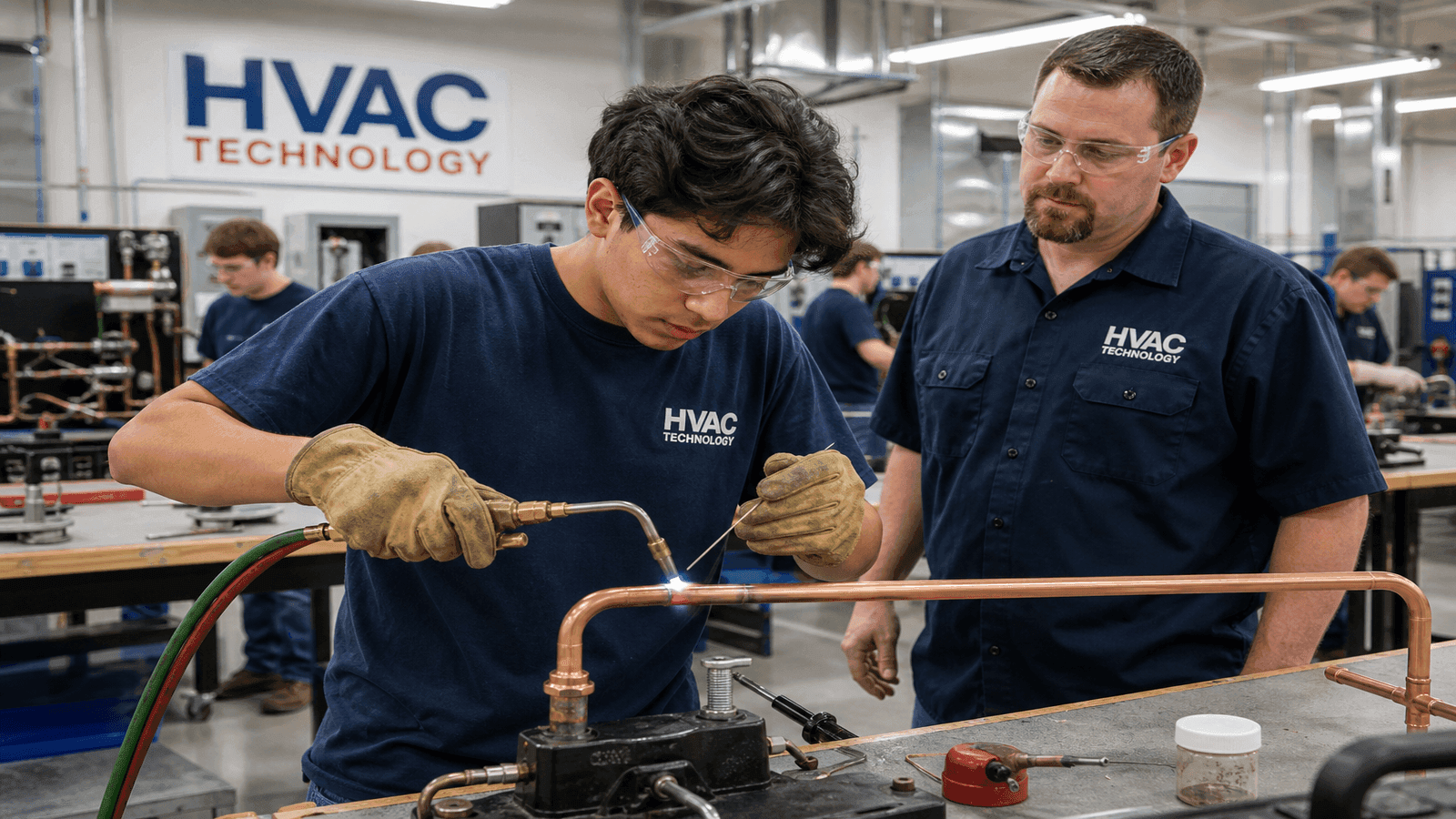
Photo: HVAC trade school student practicing brazing copper lines in a well-equipped training lab with an instructor observing
Certifications and Licensing
EPA Section 608 Certification (Required by Law)
Every HVAC technician who works with refrigerants must hold EPA Section 608 certification. This is not optional. Federal law under the Clean Air Act requires it, and working without it carries fines up to $44,539 per day per violation [3].
EPA 608 has four certification levels:
- Type I: Small appliances containing 5 pounds or less of refrigerant (window units, domestic refrigerators, PTACs)
- Type II: High-pressure systems (most residential and commercial AC systems, heat pumps)
- Type III: Low-pressure systems (large commercial chillers)
- Universal: Covers all three types. This is the standard for professional HVAC technicians.
The certification exam is administered through EPA-approved testing organizations. The exam covers refrigerant handling, leak detection, recovery and recycling procedures, and environmental regulations. Your Section 608 certification is valid for life and does not require renewal [3].
NATE Certification (Industry Standard)
North American Technician Excellence (NATE) certification is the most respected voluntary credential in the HVAC industry. While not legally required, NATE certification signals competence to employers and customers, and NATE-certified technicians earn 10% to 15% more on average than non-certified peers [7].
NATE offers specialty certifications in:
- Air Conditioning Installation and Service
- Heat Pump Installation and Service
- Gas Heating Installation and Service
- Oil Heating Installation and Service
- Air Distribution
- Commercial Refrigeration
NATE certification must be renewed every two years through continuing education, ensuring technicians stay current with evolving technology and codes.
HVAC Excellence and OSHA Training
HVAC Excellence offers professional-level certifications recognized nationwide and is the standard for evaluating trade school quality [6]. OSHA 10-Hour and 30-Hour Construction certifications are increasingly required by commercial employers, covering fall protection, lockout/tagout, and hazard communication for the electrical, chemical, and height-related risks in HVAC work.
State Licensing Requirements
HVAC licensing varies significantly by state [8]. About 30 states (including Texas, Florida, California, Oregon, Maryland, and Connecticut) require state-level licensing. Most require a combination of 2 to 5 years work experience, passing a trade exam, and EPA 608 certification. Many states distinguish between technician licenses (for employees) and contractor licenses (for business owners pulling permits, requiring more experience and a business law exam). Always verify current requirements with your state licensing board.
Skills and Physical Requirements
Get quotes from top-rated pros.
Physical Demands
HVAC work is physically demanding. Expect to carry equipment weighing 50 to 80 pounds up ladders, work in attics exceeding 130 degrees Fahrenheit, crawl through tight spaces, and work outdoors in extreme conditions year-round. Strong upper body and core strength, good balance, and cardiovascular endurance are necessary.
Technical and Soft Skills
Successful HVAC technicians need electrical troubleshooting skills (wiring diagrams, multimeters, control circuits), refrigeration cycle knowledge (superheat, subcooling, system charging), airflow measurement, combustion analysis for gas furnaces, and the ability to explain technical problems in plain language to customers.
The technicians who advance fastest also demonstrate reliability, problem-solving instinct for unusual failures, clean documentation habits, and the ability to recommend upgrades and maintenance agreements professionally.
Case Study: Marcus Rivera, Minneapolis to Business Owner
Marcus Rivera started as an HVAC helper in Minneapolis at age 19 with no trade experience. He enrolled in a 12-month certificate program at Hennepin Technical College while working part-time for a residential HVAC contractor. After earning his EPA 608 Universal and completing the program, he moved into a full-time installation technician role earning $18 per hour.
Over the next three years, Marcus earned his NATE certification in air conditioning and gas heating, and his employer sent him to manufacturer training on high-efficiency equipment. By year four, he was a lead service technician earning $32 per hour with full benefits.
At age 26, Marcus earned his Minnesota HVAC contractor license and started his own company specializing in energy-efficient retrofits. His first year as a business owner, he grossed $185,000 in revenue. By year three, he had two employees and annual revenue exceeding $400,000.
"Customers want to see credentials. NATE certification and proper licensing separate you from the handyman who watched a YouTube video. The investment in certifications paid for itself within six months."
Specialty Niches and Career Paths
Commercial and Industrial HVAC
Commercial HVAC technicians work on larger, more complex systems in office buildings, hospitals, data centers, and manufacturing facilities. The work involves rooftop units, chillers, cooling towers, building automation systems (BAS), and variable refrigerant flow (VRF) systems. Commercial techs typically earn 15% to 25% more than residential-only technicians, with experienced commercial service technicians earning $75,000 to $95,000 annually.
Refrigeration and Cold Storage
Supermarket refrigeration, cold storage warehouses, and food service equipment require specialized technicians. This niche involves working with larger refrigerant charges, rack systems, and walk-in coolers/freezers. EPA 608 Universal certification is essential, and additional manufacturer training is often required.
Building Automation and Controls
As buildings become more energy-conscious, demand for technicians who can install and program building automation systems (BAS) is growing rapidly. Controls technicians work with platforms like Tridium Niagara, Johnson Controls Metasys, Honeywell, and Siemens systems. This is one of the highest-paying HVAC specialties, with experienced controls technicians earning $80,000 to $110,000.
Energy Auditing and Refrigerant Transition
Technicians with energy auditing skills (BPI certification, RESNET HERS rating) can provide assessments and help customers access rebates and tax credits. The Inflation Reduction Act has expanded opportunities in this niche. Beginning January 2025, new residential AC and heat pump products must meet a 700 GWP limit, with systems above 700 GWP prohibited for installation as of January 2026 [4]. This requires all HVAC technicians to learn A2L refrigerant safety protocols, and those who train early will have a competitive edge.
The switch to A2L refrigerants is the biggest change in our industry in 20 years. Every technician needs to get trained on the new handling procedures and safety protocols now, not later. Contractors who invest in this training will win the work as R-410A equipment phases down.
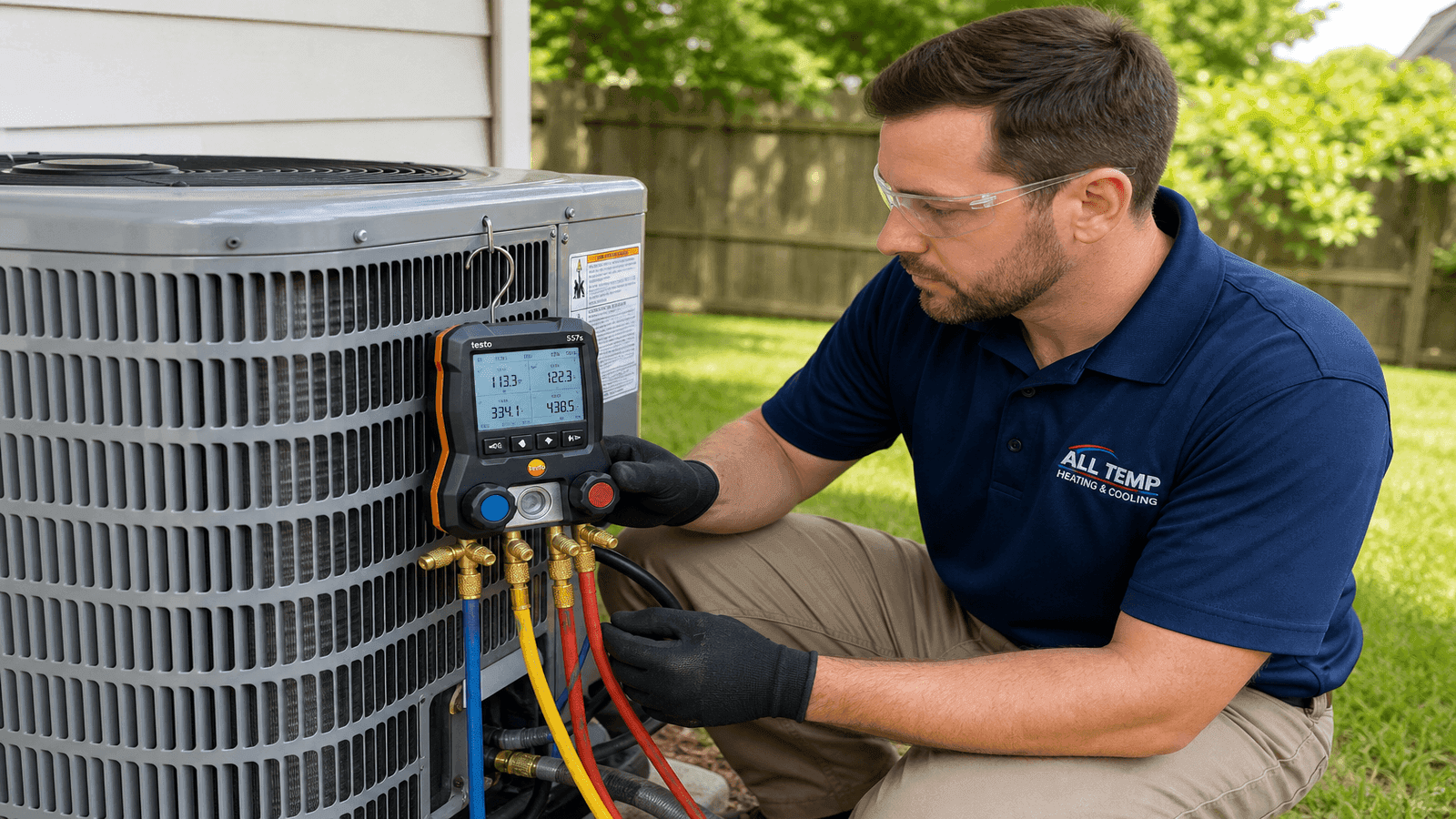
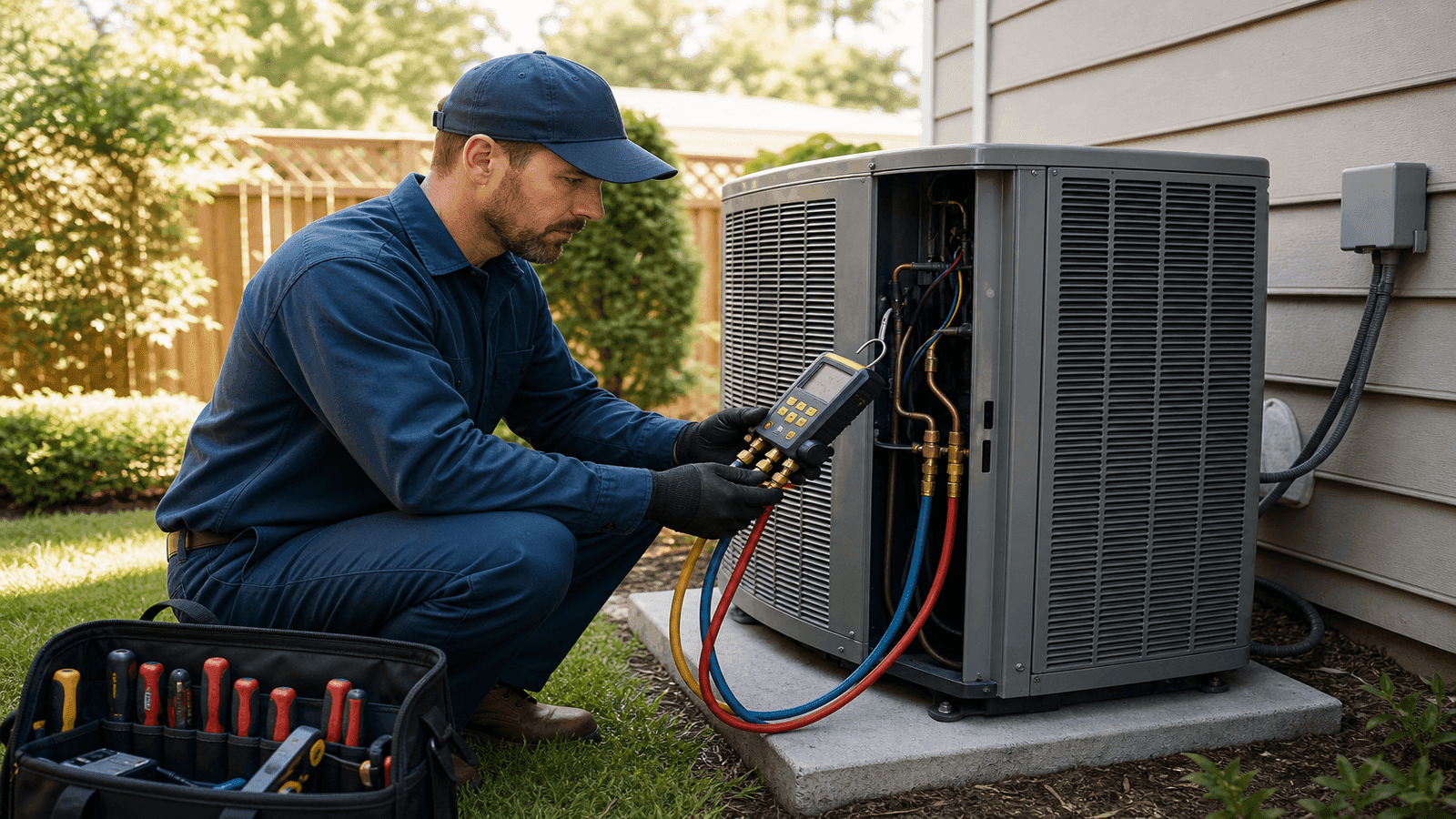
Photo: HVAC technician using a digital manifold gauge set to diagnose a residential split system, with the condenser unit and refrigerant lines visible
NearbyHunt Network Insight
HVAC professionals listed on the NearbyHunt platform report consistent demand patterns across regions. Service technicians in the network average 6 to 8 calls per day during peak summer and winter months, with many reporting backlogs of 2 to 3 weeks during extreme weather events. Contractors in the network cite finding qualified technicians as their number one business challenge, ahead of material costs and marketing.
The data from our network also shows that NATE-certified technicians receive 40% more profile views and quote requests compared to non-certified professionals. Customers searching on NearbyHunt frequently filter by certifications and years of experience, making credentialing a direct business advantage for professionals on the platform.
Get quotes from top-rated pros.
Starting an HVAC Business
Starting an HVAC business requires a state contractor license (typically 3 to 5 years documented experience plus an exam), EPA 608 Universal certification, business insurance ($5,000 to $15,000 annually), and startup capital of $30,000 to $80,000 for a van, tools, and working capital.
HVAC business owners in the NearbyHunt network report: solo operators earn $80,000 to $130,000 net, small shops (1 to 3 employees) earn $100,000 to $200,000, and mid-size operations (4 to 10 employees) earn $150,000 to $400,000+.
The most successful HVAC business owners combine technical excellence with strong business fundamentals. Creating a NearbyHunt business profile early helps establish online visibility and connect with customers in your service area.
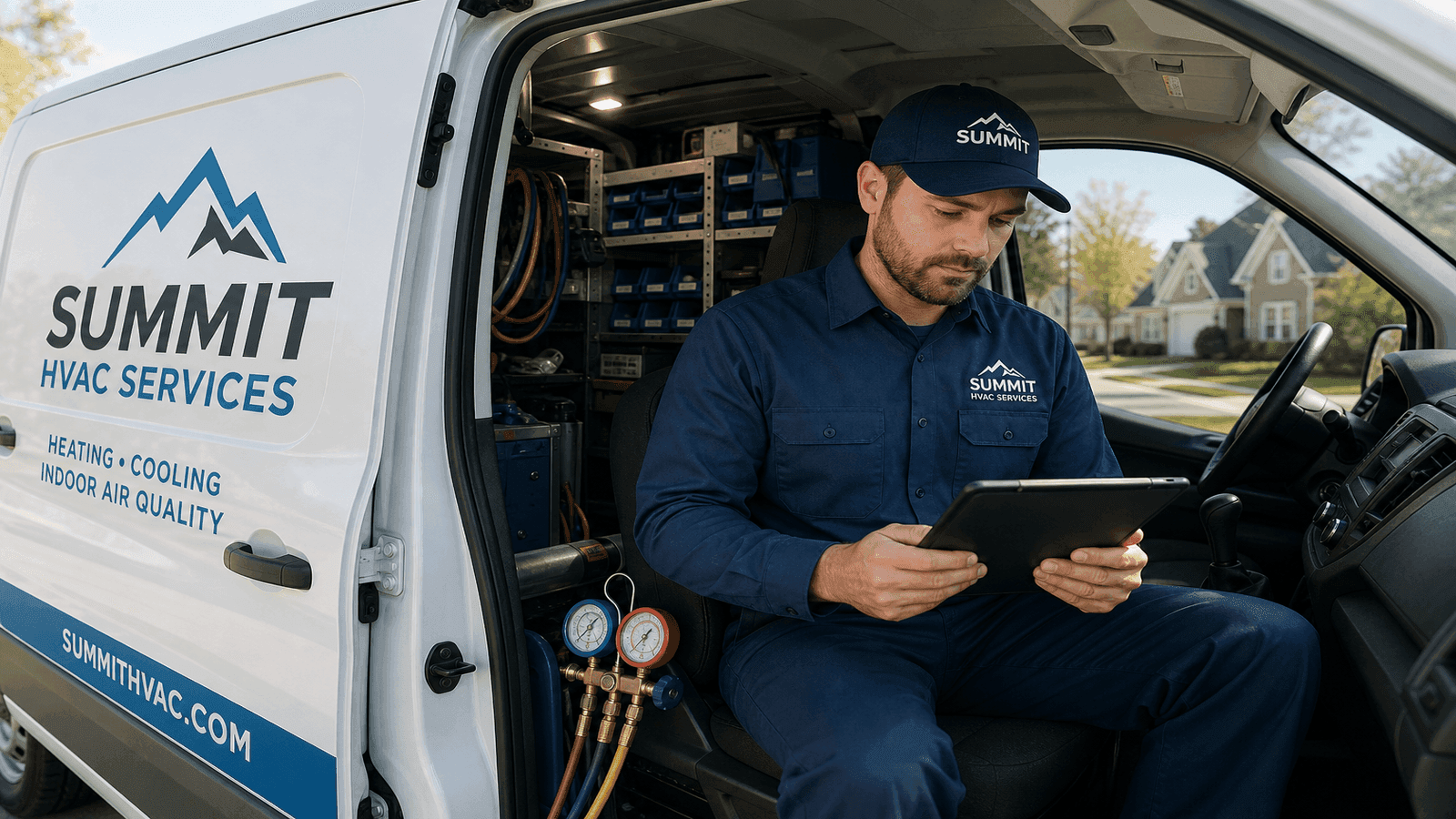
Photo: HVAC business owner reviewing job schedule on a tablet inside a branded service van with organized tools and equipment visible
Salary by Geographic Location
Geographic location dramatically affects HVAC technician earnings. Hawaii leads at $112,300 median, followed by Alaska ($85,000+), Massachusetts ($78,000+), Connecticut ($76,000+), and Washington ($74,000+) [5]. The lowest-paying states include Mississippi ($44,700), West Virginia ($49,200), and Wyoming ($49,600). Top metro areas like Honolulu, San Francisco, and Boston offer $85,000 to $100,000+ for experienced, NATE-certified technicians. The Midwest and Mid-Atlantic offer a balance of strong wages ($60,000 to $75,000) and reasonable cost of living.
Pros and Cons of an HVAC Career
Advantages: Zero student debt through apprenticeships. Above-average salary ($59,810 median, $91,000+ for top earners). 110,000 technician shortage means immediate employment. Work cannot be outsourced or automated. Business ownership offers six-figure income. Career flexibility across residential, commercial, or industrial settings.
Disadvantages: Heavy lifting (50 to 80 pounds), extreme temperatures, tight spaces, and long-term physical wear. Emergency calls disrupt nights, weekends, and holidays. Seasonal demand spikes require long hours. State licensing complexity and continuing education requirements. Business ownership demands capital and management skills.
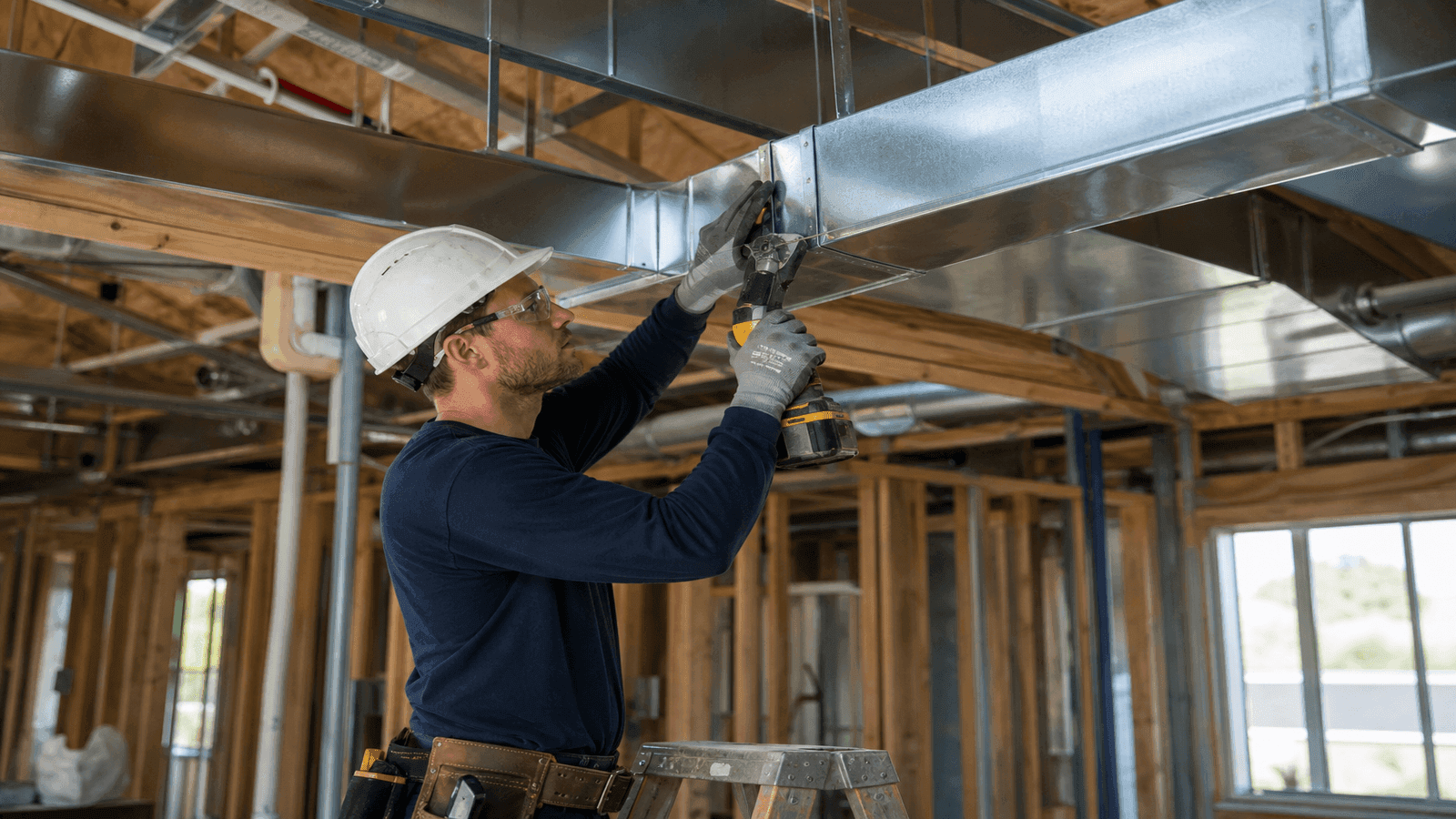
Photo: HVAC technician installing sheet metal ductwork in a new construction home, wearing safety gear and working in an open ceiling cavity
Sources and References
[1] U.S. Bureau of Labor Statistics. "Occupational Outlook Handbook: Heating, Air Conditioning, and Refrigeration Mechanics and Installers."
[2] ServiceTitan. "HVAC Technician Shortage: Causes, Impacts, Strategies."
[3] U.S. Environmental Protection Agency. "Section 608 Technician Certification Requirements."
[4] U.S. Environmental Protection Agency. "Technology Transitions: Final Rule on Phasedown of Hydrofluorocarbons."
[5] U.S. Bureau of Labor Statistics. "Occupational Employment and Wage Statistics: HVAC Mechanics and Installers."
[6] HVAC Excellence. "Accredited HVAC Programs and Certification."
[7] North American Technician Excellence. "NATE Certification: Industry Standard for HVAC Technicians."
[8] HVAC Schools 411. "State-by-State Licensing Requirements for HVAC Technicians and Contractors."
Disclaimer: HVAC licensing requirements, training programs, and salary ranges vary significantly by state, city, and employer. The information provided represents national averages and general guidelines from 2024 to 2026 data and may not reflect your specific situation. Always verify current requirements with your state licensing board and local training programs before making career decisions. Salary figures are estimates based on BLS data and industry surveys. Actual earnings depend on location, experience, specialization, and individual performance. This article is for informational purposes only and does not constitute professional career advice for your specific situation.
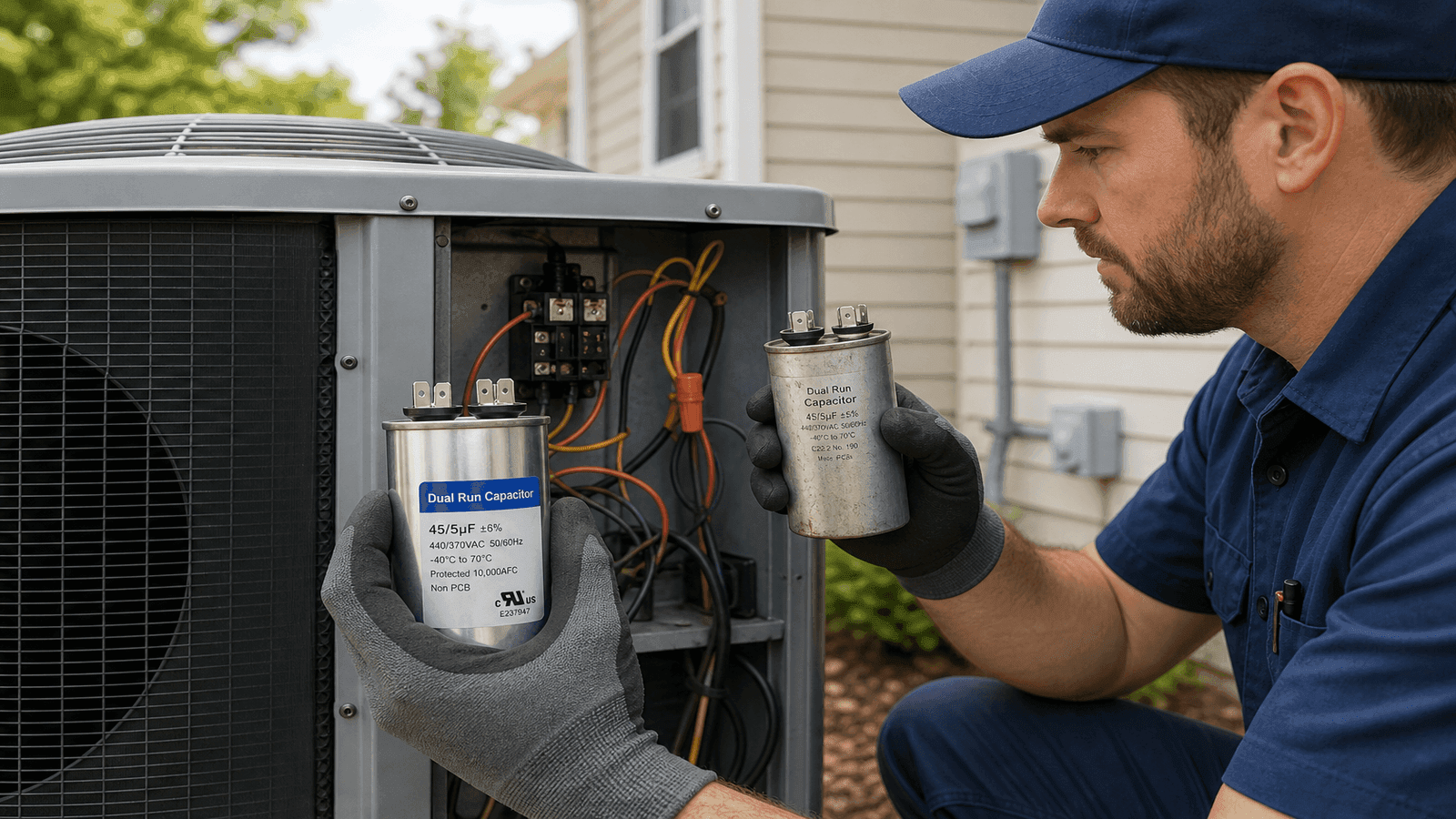

Daniel is an EPA-certified HVAC technician & Energy Efficiency Consultant with over 14 years of experience in maintaining and installing heating and cooling systems throughout the Midwest. Passionate about sustainability, Dan specialises in energy-efficient retrofits and intelligent climate control systems. He writes for NearbyHunt to help homeowners extend the lifespan of their HVAC units while lowering utility bills.

Christine is an EPA-certified HVAC professional with 17 years of experience in heating, cooling, and indoor air quality systems. She has managed large-scale residential installations and worked as a technical trainer for new HVAC apprentices. Chris’s reviews focus on accuracy, safety, and performance standards in modern HVAC practices.