HVAC Repair in Your Area
Confirm your ZIP code to find local pros
Top-Rated Local HVAC Close by
(Last Updated In: June 29, 2026)
We started NYC PTAC Repair Services in 2016 with a simple goal: provide New York property owners with reliable, affordable PTAC repair and installation services. We specialize exclusively in packaged terminal air conditioners, which means we understand these units inside and out. Our team services hotels, apartment buildings, condominiums, and commercial properties across Manhattan, Brooklyn, Queens, the Bronx, and Staten Island. We work with McQuay, Iceair, and Islandaire PTAC units, handling everything from emergency repairs to complete installations. We guarantee our workmanship for as long as you own your system. If further service is needed due to our original installation, we'll return at no cost. Our technicians always examine your units thoroughly before recommending replacement, and we keep you involved in every step of the process.
We started NYC PTAC Repair Services in 2016 with a simple goal: provide New York property owners with reliable, affordable PTAC repair and installation services. We specialize exclusively in packaged terminal air conditioners, which means we understand these units inside and out. Our team services hotels, apartment buildings, condominiums, and commercial properties across Manhattan, Brooklyn, Queens, the Bronx, and Staten Island. We work with McQuay, Iceair, and Islandaire PTAC units, handling everything from emergency repairs to complete installations. We guarantee our workmanship for as long as you own your system. If further service is needed due to our original installation, we'll return at no cost. Our technicians always examine your units thoroughly before recommending replacement, and we keep you involved in every step of the process.

We're Cool Air Inc Manhattan, and we've been keeping NYC families comfortable through every season. Our team works on all major HVAC brands, from AC installation and repair to PTAC units and ductless systems. We serve Manhattan, Brooklyn, Queens, and Long Island with fast, reliable service. What sets us apart is our 100% satisfaction guarantee and zero wait time for service calls. Whether you need emergency repairs during a summer heatwave or heating coil repair for those brutal winter days, our expert technicians are ready to help. We specialize in ductless cooling and heating systems that offer flexible solutions while saving you money on energy costs. From sleek PTAC units perfect for individual rooms to advanced water source heat pumps for larger spaces, we have the right system to keep your home comfortable all year round.

We're Cool Air Inc Manhattan, and we've been keeping NYC families comfortable through every season. Our team works on all major HVAC brands, from AC installation and repair to PTAC units and ductless systems. We serve Manhattan, Brooklyn, Queens, and Long Island with fast, reliable service. What sets us apart is our 100% satisfaction guarantee and zero wait time for service calls. Whether you need emergency repairs during a summer heatwave or heating coil repair for those brutal winter days, our expert technicians are ready to help. We specialize in ductless cooling and heating systems that offer flexible solutions while saving you money on energy costs. From sleek PTAC units perfect for individual rooms to advanced water source heat pumps for larger spaces, we have the right system to keep your home comfortable all year round.
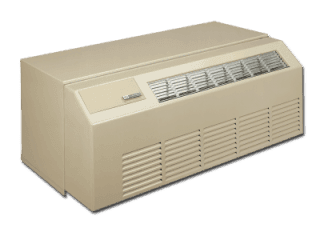
We started Refurbished PTAC Service NYC in 2016 to serve New York City's heating, ventilation, and air conditioning needs. Our team specializes in PTAC units, which are common in NYC apartments and hotels, but we also handle all types of commercial refrigeration, furnaces, and heat pumps. What sets us apart is our 24-hour emergency service availability. When your HVAC system breaks down on a weekend or holiday, we're here to help. We know how critical these systems are for comfort and business operations. With over 10 years of experience in the field, we offer free estimates and maintain full insurance coverage. Our focus is on keeping your existing equipment running efficiently through regular maintenance, though we also handle complete system replacements when needed.
We started Refurbished PTAC Service NYC in 2016 to serve New York City's heating, ventilation, and air conditioning needs. Our team specializes in PTAC units, which are common in NYC apartments and hotels, but we also handle all types of commercial refrigeration, furnaces, and heat pumps. What sets us apart is our 24-hour emergency service availability. When your HVAC system breaks down on a weekend or holiday, we're here to help. We know how critical these systems are for comfort and business operations. With over 10 years of experience in the field, we offer free estimates and maintain full insurance coverage. Our focus is on keeping your existing equipment running efficiently through regular maintenance, though we also handle complete system replacements when needed.
We've been serving the Greater New York Area since 2014, specializing in room air conditioning for apartments, homes, offices, and cooperatives. Our focus is on window units, through-the-wall systems, PTAC units, and ductless split systems, along with professional installation and repair services. Our certified technicians handle everything from basic tune-ups and steam cleaning to specialized bracket installations and winter storage. We also provide air duct cleaning and indoor air quality services throughout all five boroughs, Long Island, Nassau County, and Suffolk County. What sets us apart is our comprehensive approach to room air conditioning. Whether you need a simple window unit installation or complex PTAC system maintenance, we cover the full range of residential and commercial cooling needs with reliable service year-round.
We've been serving the Greater New York Area since 2014, specializing in room air conditioning for apartments, homes, offices, and cooperatives. Our focus is on window units, through-the-wall systems, PTAC units, and ductless split systems, along with professional installation and repair services. Our certified technicians handle everything from basic tune-ups and steam cleaning to specialized bracket installations and winter storage. We also provide air duct cleaning and indoor air quality services throughout all five boroughs, Long Island, Nassau County, and Suffolk County. What sets us apart is our comprehensive approach to room air conditioning. Whether you need a simple window unit installation or complex PTAC system maintenance, we cover the full range of residential and commercial cooling needs with reliable service year-round.

We're the Sengix HVAC & Appliance Repair team, serving New York City and surrounding areas with over 7 years of experience. Our fully licensed and insured technicians handle everything from refrigerators and washers to ovens and HVAC systems for both residential and commercial clients. What sets us apart is our 100% customer satisfaction guarantee and same-day or next-day service. We keep our trucks thoroughly stocked with parts to get your appliances running quickly, and every repair comes with a limited warranty on parts and labor. We operate 7 days a week, 365 days a year, including 24/7 emergency service. Our focus is on providing fast, reliable repairs at fair prices because we understand appliance problems create stress and we want to solve them quickly for our customers.

We're the Sengix HVAC & Appliance Repair team, serving New York City and surrounding areas with over 7 years of experience. Our fully licensed and insured technicians handle everything from refrigerators and washers to ovens and HVAC systems for both residential and commercial clients. What sets us apart is our 100% customer satisfaction guarantee and same-day or next-day service. We keep our trucks thoroughly stocked with parts to get your appliances running quickly, and every repair comes with a limited warranty on parts and labor. We operate 7 days a week, 365 days a year, including 24/7 emergency service. Our focus is on providing fast, reliable repairs at fair prices because we understand appliance problems create stress and we want to solve them quickly for our customers.
We started SuperCoolNYC back in 2010 as teachers who saw how difficult it was for New Yorkers to safely install window AC units. What began as helping friends and neighbors has grown into the most convenient window air conditioner service in the city, serving Manhattan, Brooklyn, and Queens. We specialize in installing AC units in bottom windows that slide up and down, and we can either install a unit you already own or deliver and install a new one in a single visit. We're fully licensed and insured, and we've even been featured in New York Magazine's "the Strategist." One thing that sets us apart is our work with parents who need to get their college kids set up remotely. Whether it's an NYU student in the Lower East Side or a Columbia student in Harlem, we handle everything from apartment assessment to delivery and installation, making the whole process simple for families.
We started SuperCoolNYC back in 2010 as teachers who saw how difficult it was for New Yorkers to safely install window AC units. What began as helping friends and neighbors has grown into the most convenient window air conditioner service in the city, serving Manhattan, Brooklyn, and Queens. We specialize in installing AC units in bottom windows that slide up and down, and we can either install a unit you already own or deliver and install a new one in a single visit. We're fully licensed and insured, and we've even been featured in New York Magazine's "the Strategist." One thing that sets us apart is our work with parents who need to get their college kids set up remotely. Whether it's an NYU student in the Lower East Side or a Columbia student in Harlem, we handle everything from apartment assessment to delivery and installation, making the whole process simple for families.
We are specialists in GE PTAC units and HVAC services, serving all five boroughs of New York City plus New Jersey, Long Island, and Westchester County. Our team handles both residential and commercial AC installations, with particular expertise in packaged terminal air conditioners and thru-the-wall units. We are a Factory Authorized Repair Company for Amana, Friedrich, and Islandaire, though we service all PTAC brands. Our work covers everything from new installations and retrofits to existing system add-ons and design/build projects. Whether you need a PTAC unit for your office or repair service for your split AC system, we focus on getting your air conditioning running properly with uniform cooling throughout your space. We also offer annual maintenance plans to keep your HVAC systems running year after year.
We are specialists in GE PTAC units and HVAC services, serving all five boroughs of New York City plus New Jersey, Long Island, and Westchester County. Our team handles both residential and commercial AC installations, with particular expertise in packaged terminal air conditioners and thru-the-wall units. We are a Factory Authorized Repair Company for Amana, Friedrich, and Islandaire, though we service all PTAC brands. Our work covers everything from new installations and retrofits to existing system add-ons and design/build projects. Whether you need a PTAC unit for your office or repair service for your split AC system, we focus on getting your air conditioning running properly with uniform cooling throughout your space. We also offer annual maintenance plans to keep your HVAC systems running year after year.
We're a family-owned HVAC company serving New York City since 2016, specializing in PTAC repair for restaurants, offices, and homes. With over 10 years of experience in the industry, our team focuses on what we know best: keeping your air conditioning running when you need it most. As a Factory Authorized Repair Company for Amana, Friedrich, and Islandaire, we service all major brands of PTAC and central air systems. Our NATE certified technicians handle everything from emergency repairs to routine maintenance across Manhattan, Brooklyn, and surrounding areas. We're locally owned and operated with a real commitment to our community. Whether it's a middle-of-the-night breakdown or a scheduled installation, we back our work with a 100% satisfaction guarantee and offer 24/7 emergency service when your comfort can't wait.
We're a family-owned HVAC company serving New York City since 2016, specializing in PTAC repair for restaurants, offices, and homes. With over 10 years of experience in the industry, our team focuses on what we know best: keeping your air conditioning running when you need it most. As a Factory Authorized Repair Company for Amana, Friedrich, and Islandaire, we service all major brands of PTAC and central air systems. Our NATE certified technicians handle everything from emergency repairs to routine maintenance across Manhattan, Brooklyn, and surrounding areas. We're locally owned and operated with a real commitment to our community. Whether it's a middle-of-the-night breakdown or a scheduled installation, we back our work with a 100% satisfaction guarantee and offer 24/7 emergency service when your comfort can't wait.
We've been storing air conditioners for over 45 years, and we know exactly what it takes to keep your window unit in perfect condition through New York's harsh winters. Our process is thorough: we remove your unit, bring it to our heated warehouse facility, and give it a complete chemical steam cleaning. We oil the motor, check for Freon leaks, remove rust, and treat it with rust-resistant paint. What sets us apart is our attention to detail. We lubricate all moving parts, wrap each unit carefully, and store it in its own separate bin in our warehouse. This isn't just storage, it's complete winterization service. We serve all five boroughs: Manhattan, Brooklyn, Queens, Bronx, and Staten Island. When spring comes, your air conditioner will be ready to deliver clean, efficient cooling again.
We've been storing air conditioners for over 45 years, and we know exactly what it takes to keep your window unit in perfect condition through New York's harsh winters. Our process is thorough: we remove your unit, bring it to our heated warehouse facility, and give it a complete chemical steam cleaning. We oil the motor, check for Freon leaks, remove rust, and treat it with rust-resistant paint. What sets us apart is our attention to detail. We lubricate all moving parts, wrap each unit carefully, and store it in its own separate bin in our warehouse. This isn't just storage, it's complete winterization service. We serve all five boroughs: Manhattan, Brooklyn, Queens, Bronx, and Staten Island. When spring comes, your air conditioner will be ready to deliver clean, efficient cooling again.
We've been serving New York since 1962, bringing over 40 years of experience to both residential and commercial HVAC needs. Our team specializes in PTAC systems, which sets us apart in the NYC market where these units are essential for high-rise offices, restaurants, and warehouses. Our goal is simple: provide professional HVAC service and installations with as little out-of-pocket cost as possible. We handle everything from routine maintenance to emergency repairs, and we're available 24/7 because we know HVAC problems don't wait for business hours. We back all our work with performance and satisfaction guarantees. Whether you need a quick PTAC repair in Manhattan or a complete system installation, our NYC-certified contractors will keep your equipment running efficiently and reliably.
We've been serving New York since 1962, bringing over 40 years of experience to both residential and commercial HVAC needs. Our team specializes in PTAC systems, which sets us apart in the NYC market where these units are essential for high-rise offices, restaurants, and warehouses. Our goal is simple: provide professional HVAC service and installations with as little out-of-pocket cost as possible. We handle everything from routine maintenance to emergency repairs, and we're available 24/7 because we know HVAC problems don't wait for business hours. We back all our work with performance and satisfaction guarantees. Whether you need a quick PTAC repair in Manhattan or a complete system installation, our NYC-certified contractors will keep your equipment running efficiently and reliably.
Showing 1-10 of 12
Every pro listed serves your area with a verifiable business profile.
Reviews come only from homeowners who completed a real job with that pro.
Your details are only shared with pros you choose to contact, never sold to third parties.