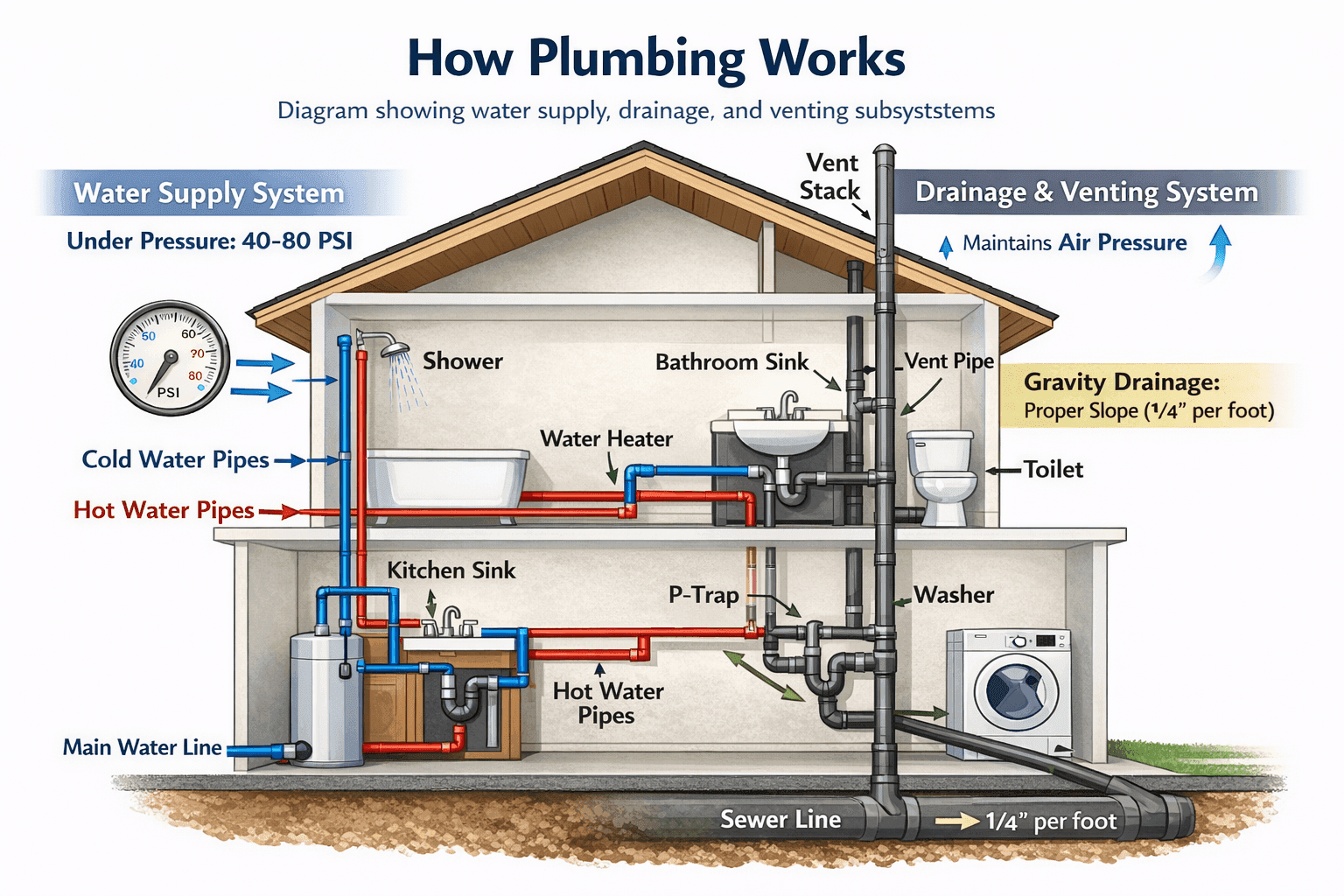
- WaterSense certified toilets save the average family 13,000 gallons and $170 annually—$3,400 over the toilet's lifetime.
- Low-flow showerheads use 2.0 GPM vs 2.5 GPM standard, saving 2,700 gallons and $70 yearly per household.
- Greywater recycling systems reduce residential water consumption by 36-42% by reusing shower and sink water for toilets and irrigation.
- Tankless water heaters eliminate standby energy loss by heating water on-demand, cutting energy costs 20-30% compared to traditional tank models.
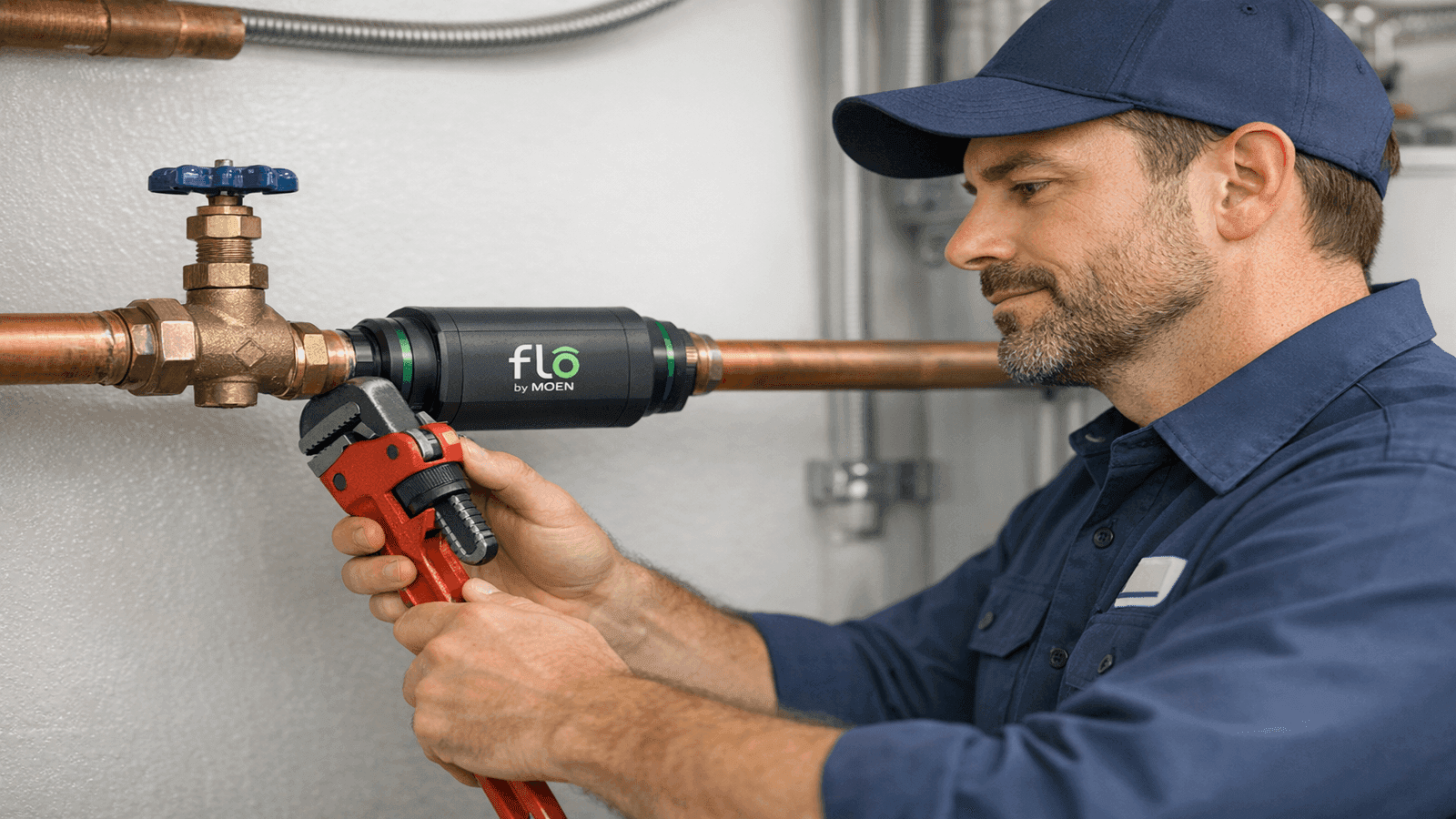
- Smart leak detectors prevent an average of 10,000 gallons of water waste annually by alerting homeowners to hidden leaks within minutes.
The average American family wastes 180 gallons of water weekly—equivalent to 400 showers annually—from household leaks alone. Green plumbing solutions can eliminate that waste while slashing your water bill by 30-50%.
Green plumbing combines water conservation with energy efficiency through modern fixtures and smart technology. Environmental benefits include reduced strain on municipal water systems and the preservation of aquifers. Financial benefits are immediate—lower utility bills, manufacturer rebates, and increased home value. Modern eco-friendly fixtures perform better than older, wasteful models while using significantly less water and energy.
This guide covers practical green plumbing solutions you can implement today: low-flow fixtures, tankless water heaters, greywater recycling, rainwater harvesting, and smart plumbing technology that reduces waste while saving money. Explore our Complete Guide to Plumbing Systems & Services to learn about plumbing components, approved pipe materials, building code standards, professional services, and maintenance requirements.
I install WaterSense fixtures in every home I work on now. Homeowners tell me their water bills dropped $30-$60 monthly after switching to low-flow toilets and showerheads. That’s $360-$720 annually—enough to pay for the fixtures in under two years. Green plumbing isn’t just environmental responsibility; it’s smart economics.

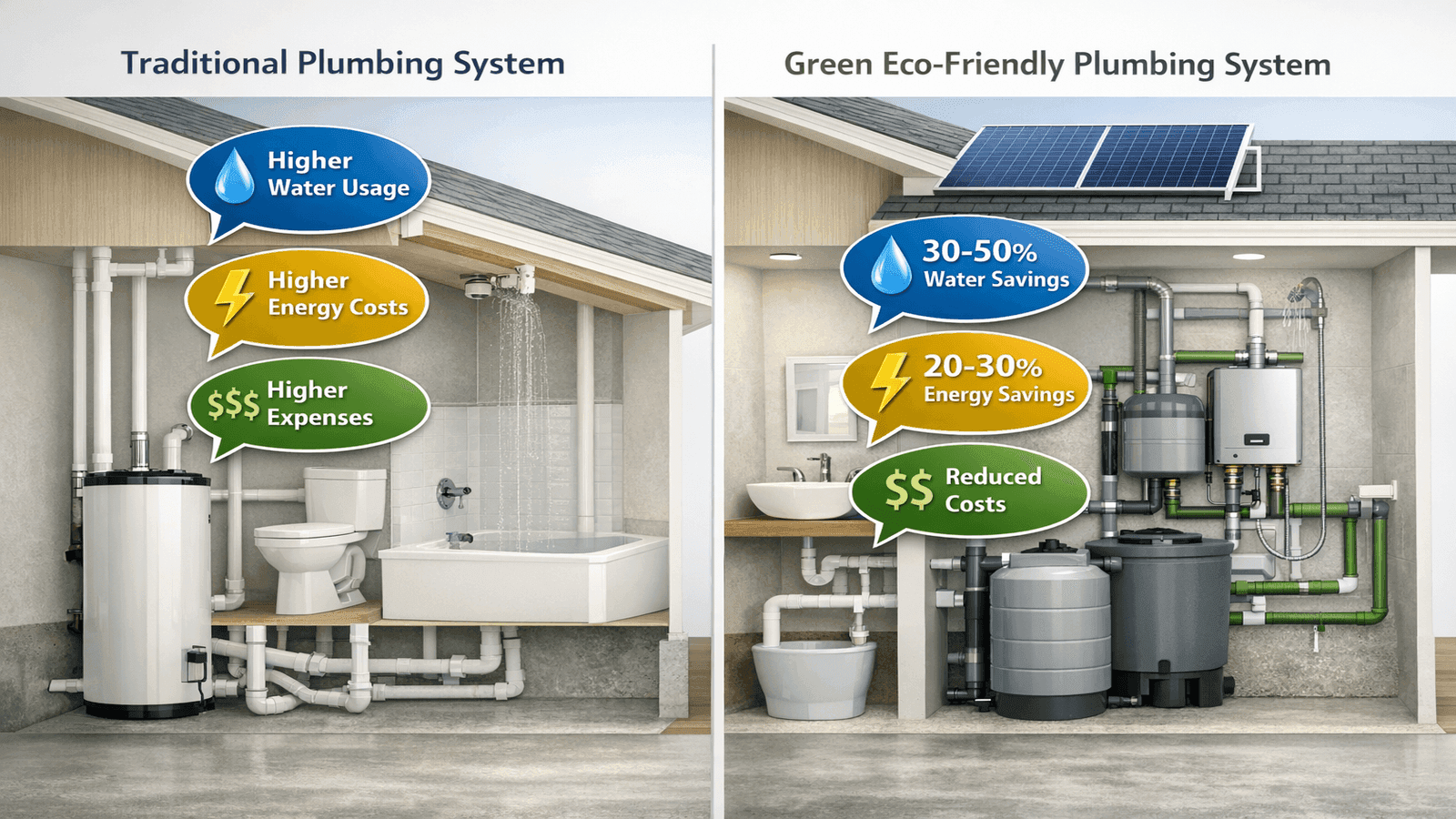
Photo: Comparison infographic showing traditional plumbing system versus green plumbing system with water and energy savings percentages
Get quotes from top-rated pros.
Low-Flow Fixtures: High Performance, Low Consumption
Modern low-flow fixtures use advanced technology to maintain performance while dramatically reducing water consumption.
WaterSense Certified Toilets
EPA WaterSense certification guarantees water savings without sacrificing performance.
Water consumption standards:
- WaterSense toilets: 1.28 gallons per flush (GPF) or less
- 20% less water than federal standard (1.6 GPF)
- 60% less than older toilets (3.5-7 GPF from pre-1990s homes)
Annual savings for average family:
- 13,000 gallons of water saved per year
- $170 reduction in water costs annually
- $3,400 total savings over toilet lifetime (20 years)
- Equivalent to 370 loads of laundry worth of water
Performance improvements over older models:
Dual-flush technology:
- 0.8 GPF for liquid waste
- 1.6 GPF for solid waste
- User controls water usage based on need
Pressure-assisted flushing:
- Uses air pressure to boost flushing power
- More effective cleaning with less water
- Reduces clogs and double-flushing
Low-Flow Showerheads
WaterSense showerheads prove you don't need high water volume for satisfying water pressure.
EPA WaterSense standard:
- Maximum 2.0 gallons per minute (GPM)
- Standard showerheads use 2.5 GPM
- Old showerheads waste 3.5-5 GPM
Household water and cost savings:
- 2,700 gallons saved annually per household
- $70 reduction in combined water and energy bills yearly
- No noticeable pressure difference with quality WaterSense models
- Pays for itself in 12-18 months
National environmental impact:
If every US home upgraded to WaterSense showerheads:
- 260 billion gallons saved annually nationwide
- $2.2 billion in water utility bill savings
- Equivalent to annual water supply for 2.5 million homes
Low-Flow Faucets and Aerators
Aerator technology delivers strong water flow while using significantly less water.
How aerators work:
- Mix air into water stream creating turbulent flow
- Reduce flow from 2.2 GPM to 1.5 GPM (32% reduction)
- Maintain perceived pressure and functionality
- Cost $5-$15 each for DIY installation
Application-specific flow rates:
Kitchen faucets:
- 1.8-2.2 GPM (higher flow needed for dishes, pot filling)
- Dual-function aerators (spray mode and stream mode)
Bathroom faucets:
- 0.5-1.5 GPM (lower flow sufficient for handwashing)
- Sensor-activated models prevent waste from running water
Low-flow doesn't mean low pressure. Modern aerators create a powerful spray while using 30-40% less water. I've installed thousands of WaterSense showerheads and never had a single complaint about performance. The technology works—and it pays for itself in 12-18 months through lower bills.
Energy-Efficient Water Heating
Water heating accounts for 18-25% of home energy costs. Green alternatives slash both energy consumption and utility bills.
Tankless Water Heaters
Tankless systems heat water only when needed, eliminating energy waste from constantly heated storage tanks.
How tankless heaters work:
- Water flows through heat exchanger when tap opens
- Gas burner or electric element heats water instantly
- No storage tank means no standby heat loss
- Provides endless hot water supply
Energy and cost savings:
- 20-30% lower energy costs vs traditional tank heaters
- Gas tankless models save $100-$150 annually
- Electric tankless models save $75-$125 yearly
- Longer lifespan: 20+ years vs 10-15 for tank heaters
Environmental benefits:
- Reduced greenhouse gas emissions from lower energy use
- Smaller carbon footprint throughout lifespan
- No tank disposal/replacement waste every 10-15 years
- More compact size uses less manufacturing materials
Solar Water Heating Systems
Solar water heaters harness free renewable energy to heat water, dramatically reducing reliance on gas or electricity.
System types available:
Active systems:
- Pumps circulate water through roof-mounted solar collectors
- More efficient in cold climates
- Higher upfront cost ($6,000-$10,000 installed)
Passive systems:
- Natural convection moves heated water
- Simpler design with fewer components
- Lower cost ($3,000-$5,000 installed)
Hybrid systems:
- Solar collectors provide primary heating
- Conventional water heater provides backup
- Best reliability and performance
Savings potential:
- 50-80% reduction in water heating energy costs
- Federal tax credits available (26% of installation cost)
- Payback period: 5-10 years depending on climate and energy costs
- Most effective in sunny Southern and Western states
Water Recycling Systems
Reusing water from showers and sinks significantly reduces municipal water consumption and sewer discharge.
Greywater Recycling
Greywater systems collect relatively clean wastewater and treat it for safe reuse in toilets and irrigation.
What qualifies as greywater:
Water from these sources:
- Showers and bathtubs
- Bathroom sinks
- Washing machines
NOT from these sources (blackwater or unsuitable):
- Toilets (sewage requires extensive treatment)
- Kitchen sinks (contains fats, oils, food particles)
- Dishwashers (detergents and grease)
How greywater systems operate:
Collection process:
- Divert greywater from drain pipes to collection tank
- Filter out solids, hair, and particles
- Basic treatment removes bacteria and contaminants
- Store in separate tank for distribution
Distribution to end uses:
- Toilet flushing (most common reuse)
- Landscape irrigation (drip systems preferred)
- Laundry (some systems)
- Indoor plants (with proper treatment)
Water and cost savings:
- Residential homes reduce consumption by 36-42%
- Average family saves 15,000-20,000 gallons annually
- Water bill reduction: $40-$80 monthly depending on rates
- Reduces strain on septic systems and municipal sewage treatment
Installation costs and payback:
- Simple laundry-to-landscape systems: $1,000-$3,000
- Complex whole-house systems: $5,000-$10,000
- Payback period: 5-10 years based on water rates
- Faster payback in drought-prone areas with expensive water
Rainwater Harvesting
Capturing roof runoff provides free water for irrigation, toilet flushing, and other non-potable uses.
Basic system components:
- Roof catchment area (existing gutters and downspouts)
- First-flush diverter (removes initial dirty runoff)
- Storage tanks (above or below ground, 500-5,000 gallon capacity)
- Filtration system (screen filters, sediment filters)
- Pump and distribution network to end uses
Uses for harvested rainwater:
- Landscape irrigation (most common and cost-effective)
- Toilet flushing (with basic filtration)
- Laundry (with proper filtration system)
- Car washing and outdoor cleaning
- Non-potable household uses
Collection potential:
Formula: 1 inch of rain on 1,000 sq ft roof = 600 gallons collected
Example collections:
- Average home roof (1,500 sq ft): 900 gallons per inch of rainfall
- Annual potential varies by climate: 10,000-50,000 gallons
- Dry climates: Lower annual collection but higher value
- Wet climates: Higher collection but less scarcity motivation
Regulations and permits:
- Legal in all 50 states (some restrictions apply)
- Check local codes for tank size limits and setback requirements
- Permits may be required for systems over 5,000 gallons
- Some HOAs restrict visible above-ground tanks
Get quotes from top-rated pros.
Capturing roof runoff provides free water for irrigation, toilet flushing, and other non-potable uses.
Basic system components:
- Roof catchment area (existing gutters and downspouts)
- First-flush diverter (removes initial dirty runoff)
- Storage tanks (above or below ground, 500-5,000 gallon capacity)
- Filtration system (screen filters, sediment filters)
- Pump and distribution network to end uses
Uses for harvested rainwater:
- Landscape irrigation (most common and cost-effective)
- Toilet flushing (with basic filtration)
- Laundry (with proper filtration system)
- Car washing and outdoor cleaning
- Non-potable household uses
Collection potential:
Formula: 1 inch of rain on 1,000 sq ft roof = 600 gallons collected
Example collections:
- Average home roof (1,500 sq ft): 900 gallons per inch of rainfall
- Annual potential varies by climate: 10,000-50,000 gallons
- Dry climates: Lower annual collection but higher value
- Wet climates: Higher collection but less scarcity motivation
Regulations and permits:
- Legal in all 50 states (some restrictions apply)
- Check local codes for tank size limits and setback requirements
- Permits may be required for systems over 5,000 gallons
- Some HOAs restrict visible above-ground tanks
I've installed greywater systems that cut water bills by $40-$80 monthly. One client in drought-prone Arizona saves 18,000 gallons yearly reusing shower water for irrigation. The system paid for itself in four years, and she hasn't watered her lawn with municipal water since 2019. That's real environmental impact with measurable financial returns.
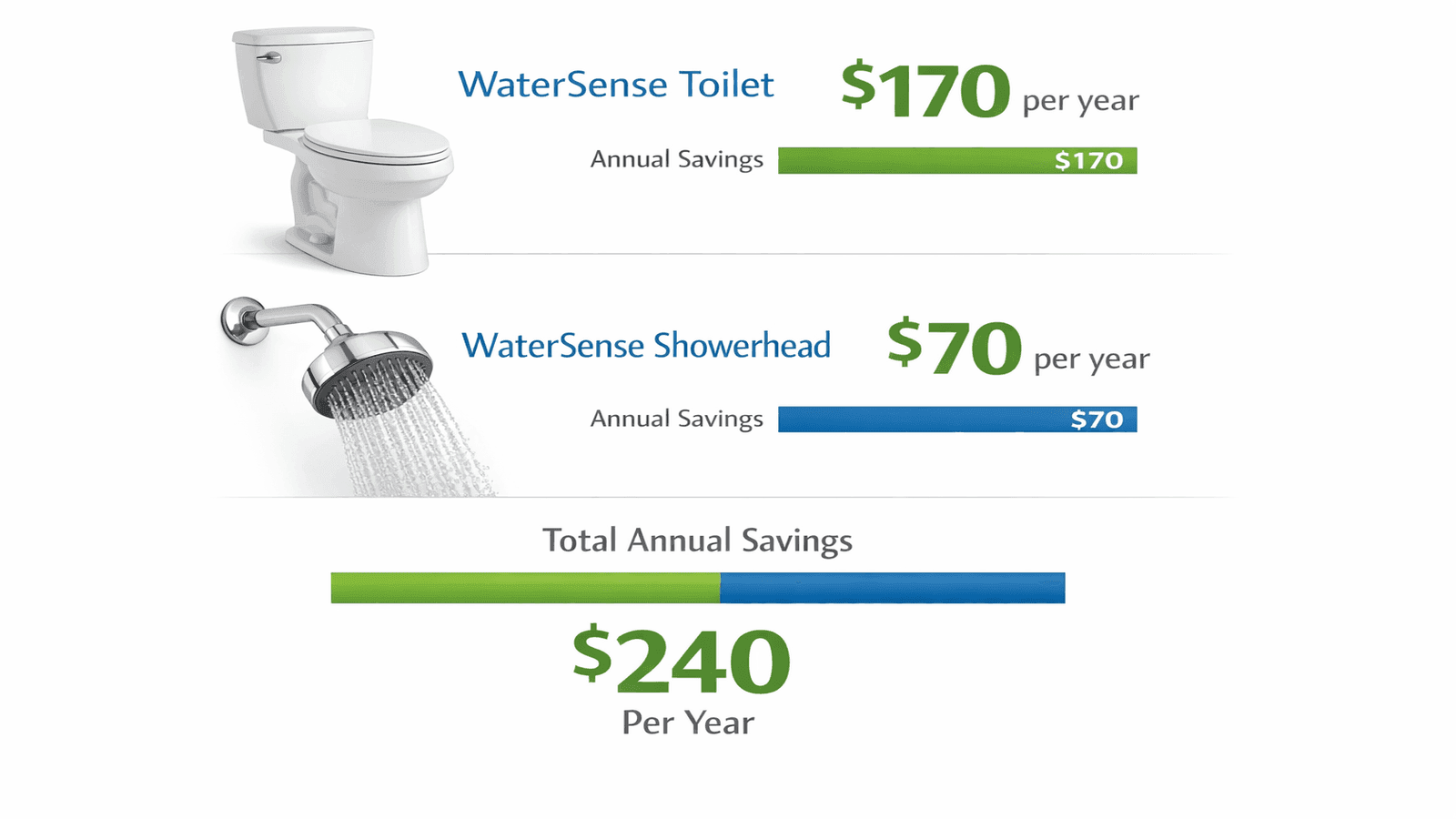
Photo: Infographic showing annual savings from WaterSense toilet and showerhead totaling $240 per year
Smart Plumbing Technology
Digital monitoring and automation prevent waste while providing unprecedented control over water usage.
Leak Detection Systems
Smart sensors catch leaks within minutes instead of weeks, preventing thousands of gallons of waste and costly water damage.
Sensor-based leak detectors:
- Small sensors placed near water heaters, under sinks, near washing machines
- Detect moisture and send smartphone alerts immediately
- Prevent average 10,000 gallons of annual leak waste per household
- Battery-powered, wireless installation
- Cost: $50-$150 per sensor
Whole-home monitoring systems:
- Installed on main water line entering home
- Tracks water usage patterns 24/7
- Detects abnormal flow indicating possible leaks
- Automatic shutoff capability when major leak detected
- Cost: $300-$800 installed
Financial protection:
- Prevent water damage averaging $3,000-$10,000 per insurance claim
- Stop hidden leaks wasting hundreds of dollars in water monthly
- Many insurance companies offer 10-15% discounts for leak detection
- Pays for itself with first prevented leak
Smart Faucets and Irrigation
Automated controls eliminate common sources of water waste from human error.
Touchless faucets:
- Motion-activated water flow prevents leaving water running
- Automatically shuts off when hands removed
- Ideal for kitchens (hands-free operation while cooking)
- Reduces water waste by 30-50% vs manual faucets
Smart irrigation controllers:
- Weather-based watering schedules adjust for rain, temperature, humidity
- Soil moisture sensors prevent overwatering
- Remote control via smartphone apps
- Reduce outdoor water waste by 30-50%
- EPA WaterSense certified models available
Water usage tracking apps:
- Smart water meters monitor real-time consumption
- Identify waste patterns (running toilets, leaks, excessive use)
- Set conservation goals and track progress
- Compare usage to similar households
Green Plumbing Cost Savings
Understanding return on investment helps prioritize which green plumbing upgrades to install first.
Return on Investment by Upgrade
| Fixture Upgrade | Installation Cost | Annual Savings | Payback Period | Lifetime Savings |
| Low-Flow Toilets (2) | $400-$600 | $170 | 2.5-3.5 years | $3,400 (20 years) |
| Low-Flow Showerheads (2) | $110-$220 | $70 | 12-18 months | $700 (10 years) |
| Faucet Aerators (3) | $15-$45 | $45 | 4-12 months | $450 (10 years) |
| Complete Upgrade | $800-$1,200 | $285+ | 3-4 years | $5,700+ (20 years) |
Low-flow toilets (replacing 2 toilets):
- Installation cost: $400-$600 total
- Annual water savings: $170
- Payback period: 2.5-3.5 years
- 20-year lifetime savings: $3,400
Low-flow showerheads (2 showerheads):
- Cost: $60-$120 + $50-$100 installation
- Annual savings: $70
- Payback period: 12-18 months
- 10-year savings: $700
Low-flow faucet aerators (3 faucets):
- Cost: $15-$45 (DIY installation)
- Annual savings: $45
- Payback period: 4-12 months
- 10-year savings: $450
Complete fixture upgrade investment:
- Total first-year cost: $800-$1,200
- Combined annual savings: $285+
- Full payback: 3-4 years
- 20-year lifetime savings: $5,700+
- Increased home resale value: $1,000-$3,000
Available Rebates and Incentives
Rebates significantly reduce upfront costs and accelerate payback periods.
Common rebate programs:
Local water utility rebates:
- Toilet rebates: $50-$200 per toilet
- Washing machine rebates: $75-$150
- Smart irrigation controller rebates: $50-$100
State energy efficiency programs:
- Vary by state and change annually
- Often cover tankless water heaters, solar systems
- Check state energy office website
Federal tax credits:
- Solar water heaters: 26% of installation cost (through 2032)
- Geothermal systems: 26% credit
- Energy-efficient home improvement credit
Manufacturer rebates:
- $25-$100 on select WaterSense fixtures
- Check manufacturer websites before purchasing
How to find available rebates:
- Visit local water utility website
- Use EPA WaterSense rebate finder tool
- Consult state energy office programs
- Ask your plumber for current local rebates
Rebates significantly reduce upfront costs and accelerate payback periods.
Common rebate programs:
Local water utility rebates:
- Toilet rebates: $50-$200 per toilet
- Washing machine rebates: $75-$150
- Smart irrigation controller rebates: $50-$100
State energy efficiency programs:
- Vary by state and change annually
- Often cover tankless water heaters, solar systems
- Check state energy office website
Federal tax credits:
- Solar water heaters: 26% of installation cost (through 2032)
- Geothermal systems: 26% credit
- Energy-efficient home improvement credit
Manufacturer rebates:
- $25-$100 on select WaterSense fixtures
- Check manufacturer websites before purchasing
How to find available rebates:
- Visit local water utility website
- Use EPA WaterSense rebate finder tool
- Consult state energy office programs
- Ask your plumber for current local rebates
Get quotes from top-rated pros.
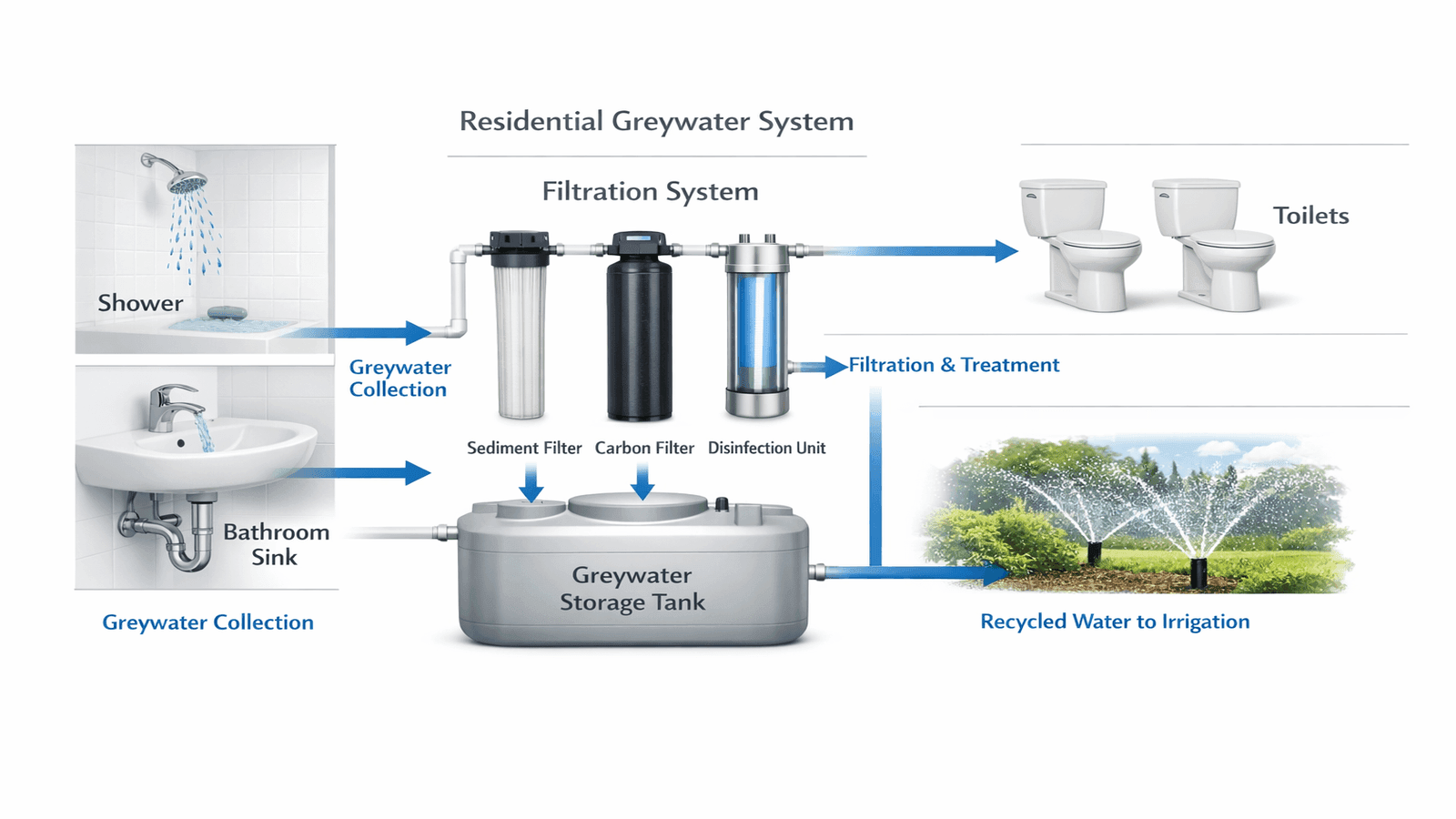
Photo: Diagram of residential greywater recycling system showing water collection, filtration, and reuse for toilets and irrigation
Environmental Impact of Green Plumbing
Individual household choices collectively create massive environmental benefits.
Per-Household Annual Impact
Water conservation benefits:
- 20,000-30,000 gallons saved with full green plumbing upgrade
- Reduces strain on aquifers and groundwater sources
- Decreases municipal water treatment demand
- Preserves water resources for future generations
- Lessens impact during droughts
Energy reduction benefits:
- Tankless water heater prevents 1,500-2,000 lbs CO2 emissions annually
- Low-flow fixtures reduce energy for water heating by 20-30%
- Less municipal pumping and treatment energy required
- Smart irrigation reduces outdoor water pumping energy
Collective National Impact
If just 10% of US homes (13 million homes) adopted complete green plumbing:
- 800 billion gallons of water saved annually
- $8 billion in collective utility cost savings
- Significant reduction in wastewater treatment demand
- Lower carbon emissions from reduced water heating
- Extended lifespan of existing water infrastructure
Every WaterSense toilet I install saves 13,000 gallons yearly. I've installed over 600 in my career—that's 7.8 million gallons of water saved just from my work. Multiply that by thousands of plumbers nationwide, and green plumbing is making a real difference. Individual choices add up to massive environmental impact.
Getting Started with Green Plumbing
Prioritize upgrades based on cost, impact, and your budget to maximize water and cost savings.
Recommended upgrade order:
Start with highest-impact, lowest-cost improvements:
- Fix all existing leaks immediately (stops current waste)
- Install low-flow showerheads (fastest payback, easy DIY)
- Replace old toilets with WaterSense dual-flush models (biggest water savings)
- Upgrade bathroom and kitchen faucets to low-flow models
- Add smart leak detection sensors near water heaters and appliances
- Consider tankless water heater when existing tank needs replacement
- Explore greywater or rainwater systems if budget and property allow
Professional installation tips:
- Get quotes from 3+ licensed plumbers for price comparison
- Ask specifically about WaterSense certified products
- Inquire about current local rebates and utility incentives
- Request manufacturer warranty information and coverage details
- Verify proper state licensing and insurance before hiring
Start small with quick-win upgrades and expand over time. Every green plumbing improvement reduces environmental impact while lowering utility costs month after month.
Find Green Plumbing Experts on NearbyHunt
Ready to reduce your water bills and environmental footprint with green plumbing solutions? NearbyHunt connects you with licensed plumbers who specialize in eco-friendly installations and water conservation systems.
Find vetted experts for:
- WaterSense certified fixture installations (toilets, showerheads, faucets)
- Greywater recycling system design and installation
- Tankless and solar water heater installation
- Rainwater harvesting system setup
- Smart leak detection and home water audits
- Rebate assistance and application support
Get free quotes from multiple green plumbing professionals in your area, compare prices and services, read verified customer reviews, and hire licensed plumbers with confidence.
Start saving water, energy, and money today with green plumbing solutions installed by trusted local professionals.
Get quotes from top-rated pros.
Sources & References
- Bender Plumbing Supply. (2024). "Sustainable Plumbing: Eco-Friendly Fixtures and Solutions for Your Home." https://benderplumbing.com/blog/sustainable-plumbing-eco-friendly-fixtures-and-solutions-for-your-home/
- GBD Magazine. (2024). "10 Green Plumbing Solutions in 2024." https://gbdmagazine.com/green-plumbing-solutions/
- U.S. Environmental Protection Agency. (2024). "Showerheads | WaterSense." https://www.epa.gov/watersense/showerheads
- U.S. Environmental Protection Agency. (2024). "Residential Toilets | WaterSense." https://www.epa.gov/watersense/residential-toilets
- Rainwater Management Solutions. (2024). "Graywater Reuse Systems." https://rainwatermanagement.com/pages/graywater-reuse
- IWA Publishing. (2023). "Integrated systems for rainwater harvesting and greywater reuse." https://iwaponline.com/ws/article/23/10/4112/97584/
Disclaimer
Green plumbing savings estimates are based on national averages from EPA WaterSense data and may vary significantly by household size, water usage patterns, local water rates, climate, and specific products installed. Actual costs, savings, and payback periods depend on professional installation fees, regional rebate availability, and individual usage. Greywater and rainwater harvesting systems must comply with local building codes and health regulations—always check requirements before installation and obtain necessary permits. This article is for educational and informational purposes only and does not constitute professional plumbing advice for your specific situation. Always consult licensed plumbers for system design, product selection, installation, and code compliance verification.

Michael Jennings is a licensed master plumber & water systems specialist with over 18 years of hands-on experience in residential and commercial plumbing, serving clients across California and Texas. At NearbyHunt, he shares practical advice on pipe installations, water heater maintenance, and home plumbing upgrades. Michael has helped thousands of homeowners prevent costly water damage and improve water efficiency through modern plumbing solutions.

Robert is a licensed master plumber with over 20 years of experience serving both residential and commercial clients across the Midwest. Specialising in advanced plumbing systems and sustainable water technologies, Rob brings deep technical insight and hands-on expertise to every project. As a reviewer for NearbyHunt, he ensures all plumbing content reflects the highest standards of safety, compliance, and practicality.